Independent designers. Real commissions.
One night. Every dress you almost wore.
She wore one dress to the rooftop. Afterward, independent designers showed her what she could have worn. Upload any photo from any night out — numbered, limited, and yours. You're not faking a photo. You're commissioning a designer.
Real designers · Limited editions · Royalties on every look · Digital only
Your photo
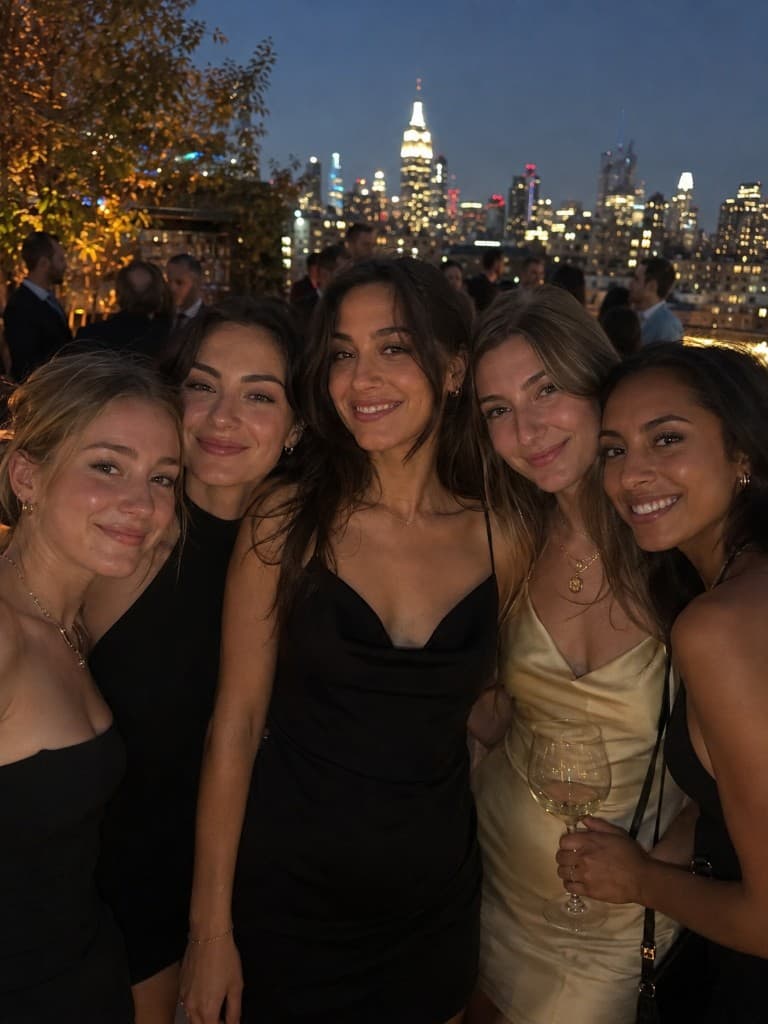
Any photo from any night out.
You, redressed
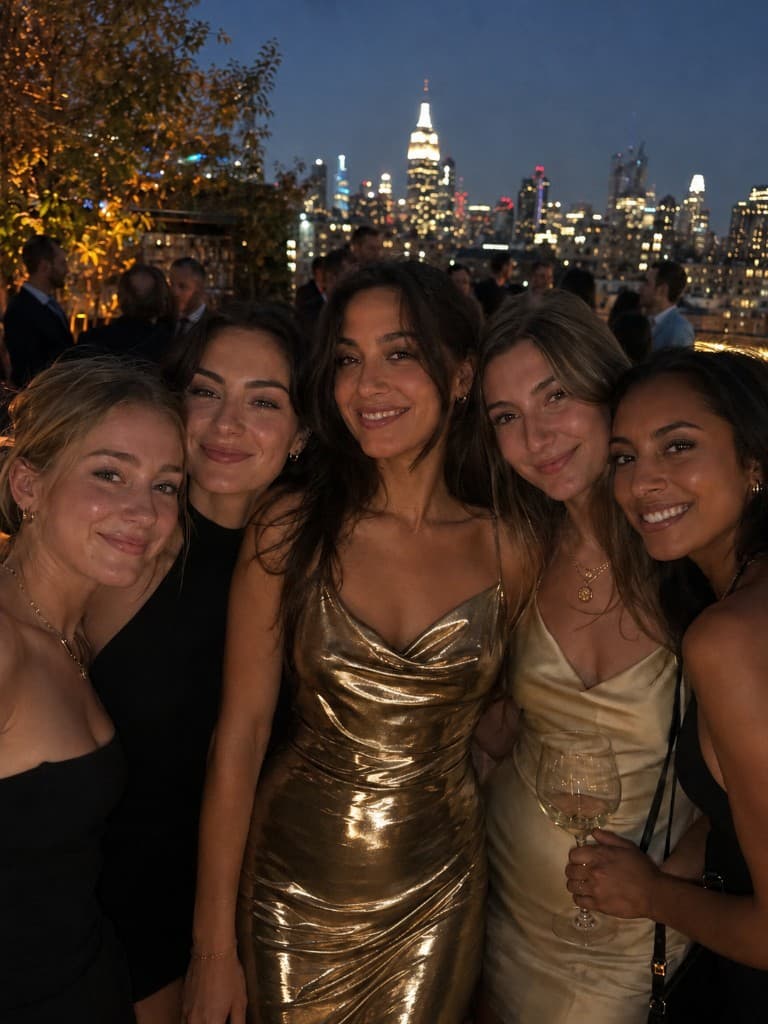
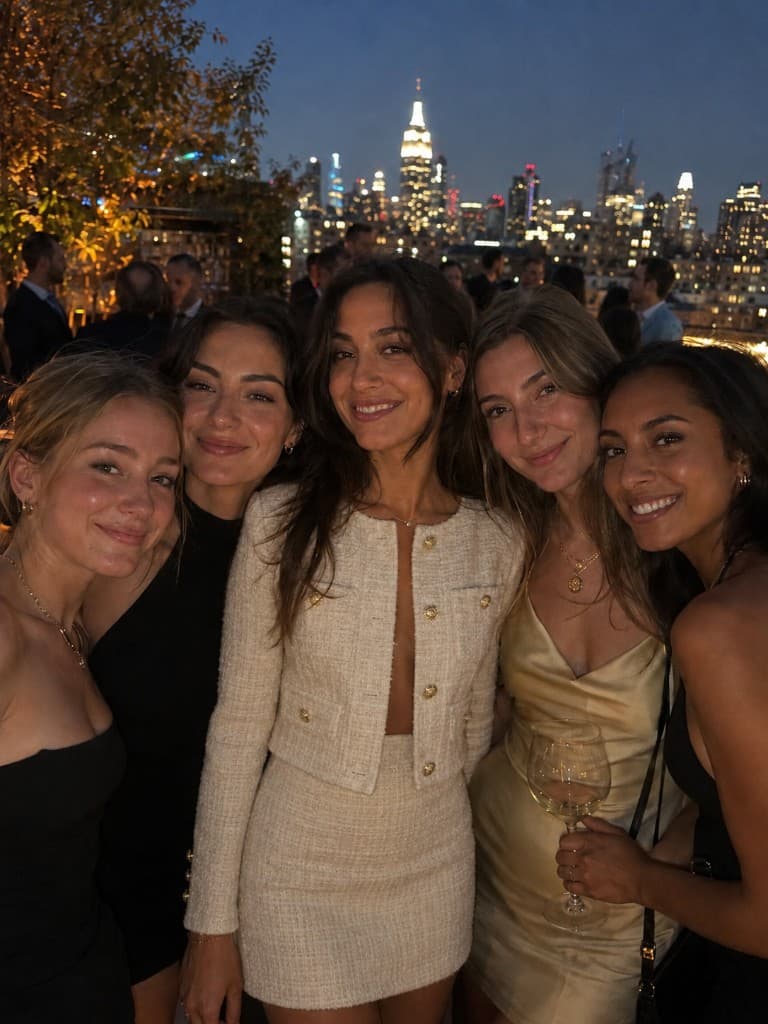
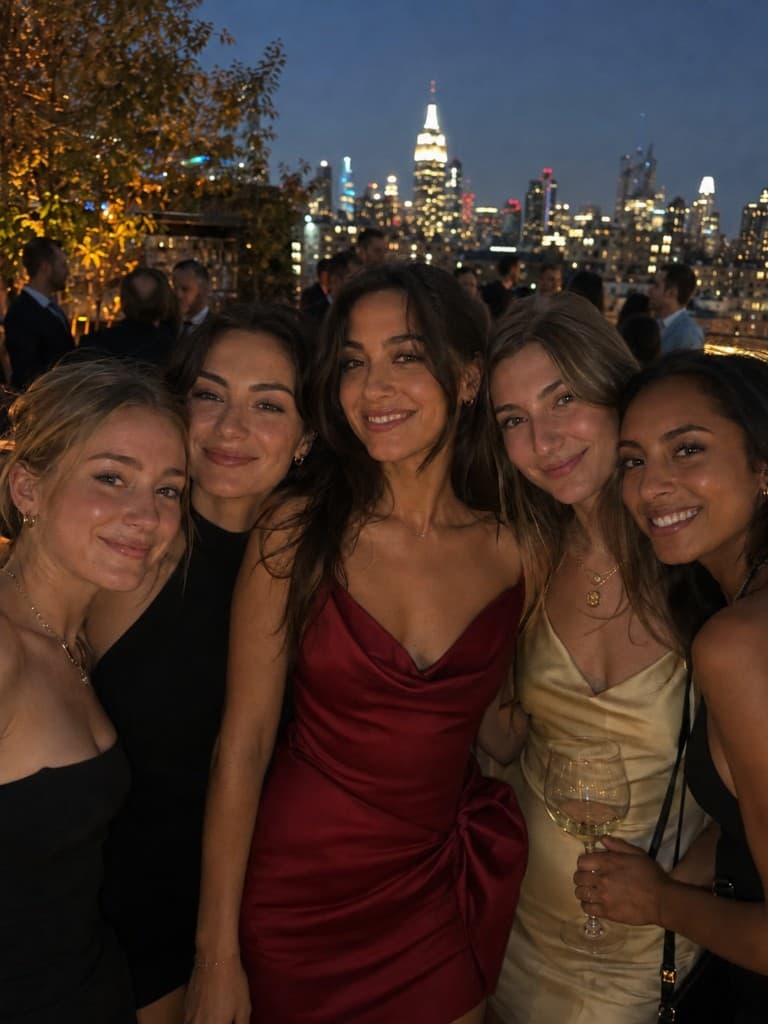
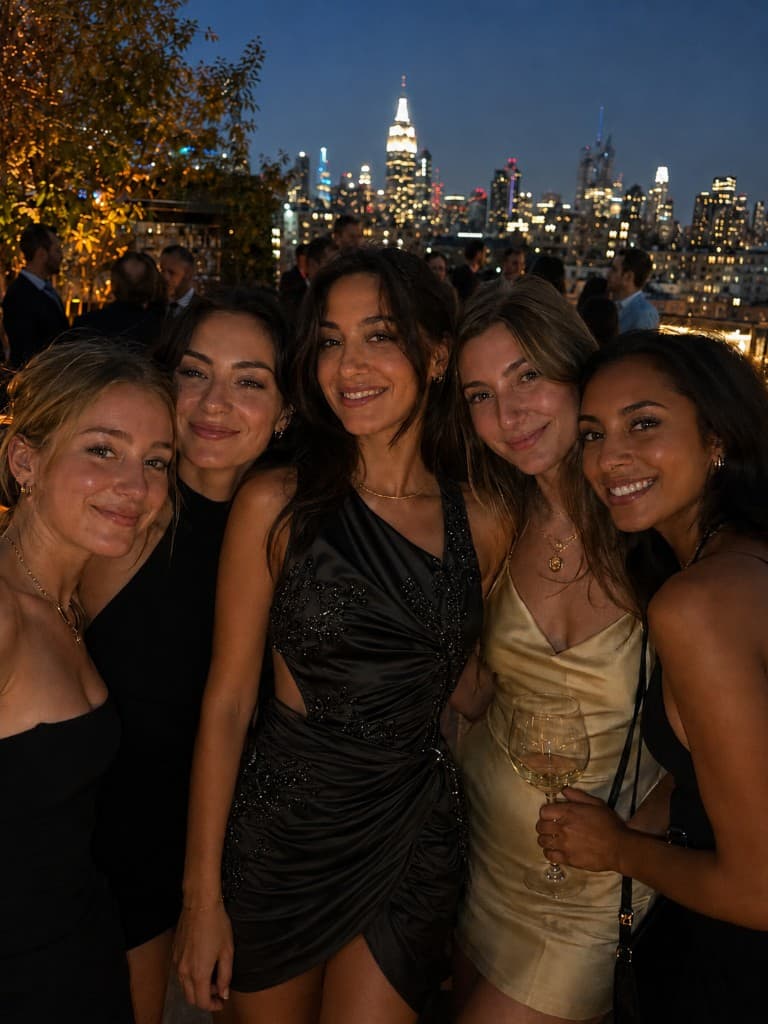
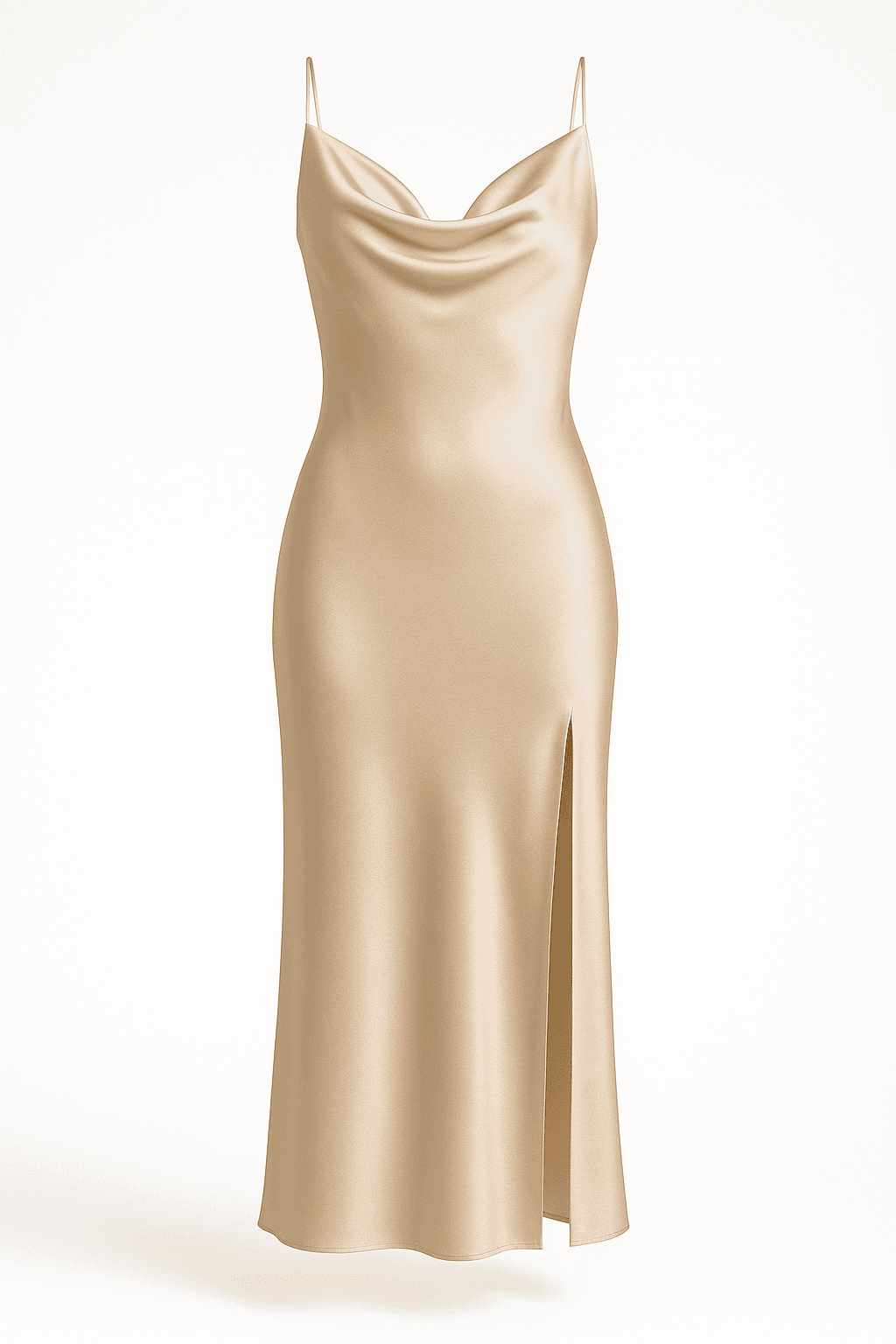
Liquid Gold Gown — by Maison Élevé
$5
Real Designers
Every look is created and signed by an independent designer.
Limited Editions
Numbered digital runs — once they're gone, they're gone.
Your Photo, Their Design
Commission a designer to dress you in any photo you already have.
Designers Get Paid
Royalties on every commission. Support emerging talent.
New this week
07
Days
10
Hours
42
Mins
Not a filter. A commission.
You're supporting a designer, not faking a photo.
REVETU connects you with young independent designers who create limited looks for your real photos. The technology is invisible. The designer is the story.
A real designer made this look
Every piece on REVETU is authored by an independent designer — not a stock template, not a generic filter. You commission their work on your photo.
Numbered limited editions
Each look runs in a fixed edition. When the run sells out, it's retired. You're wearing something scarce — the way fashion was always meant to feel.
Designers earn royalties
Every time someone commissions a look, the designer gets paid. You're not faking an outfit — you're funding a young designer's next collection.
The Wedding Edit
Say yes to the digital gown. Spectacular bridal gowns from emerging designers — commission a limited digital edition on your own photo.
$10 – $50
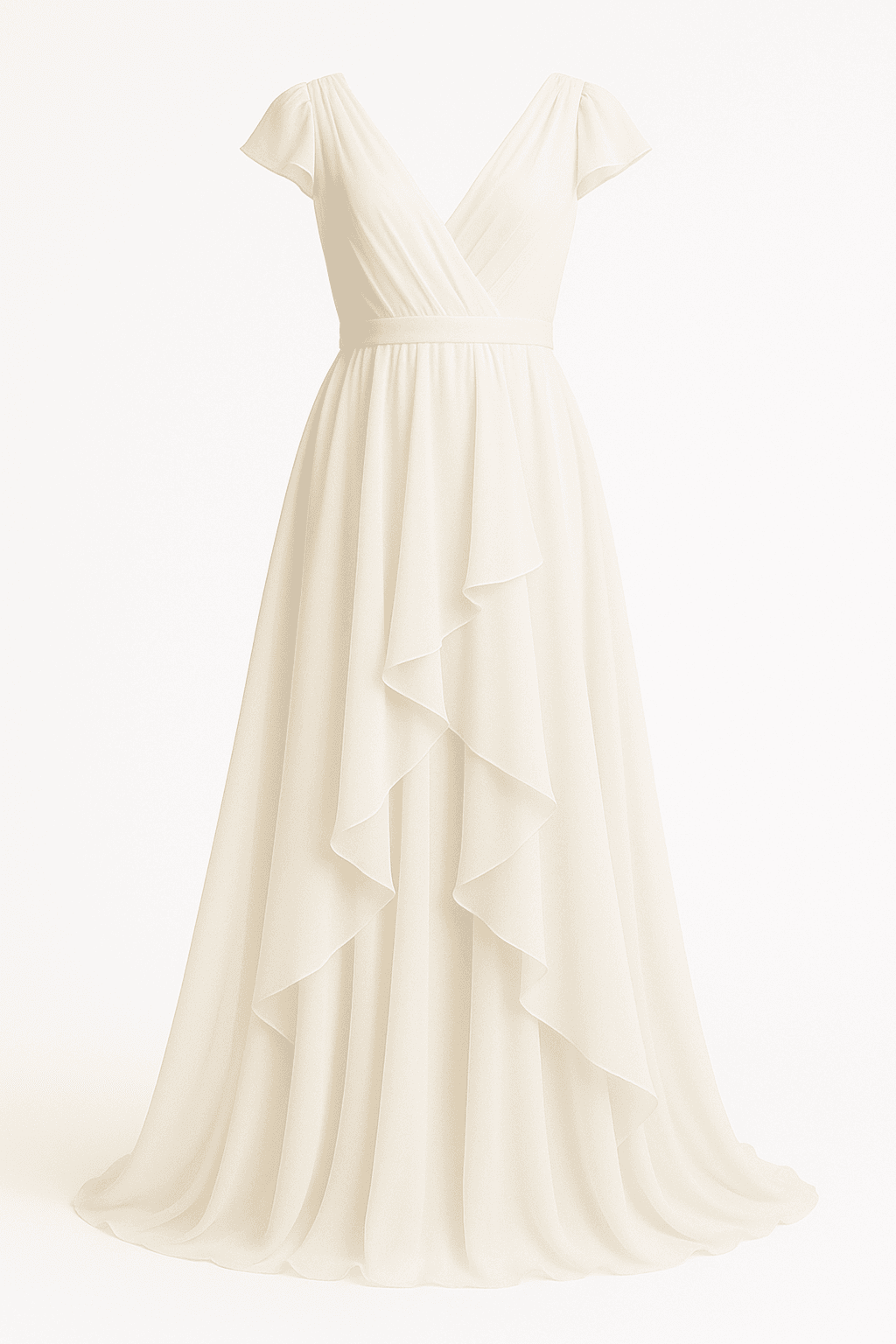
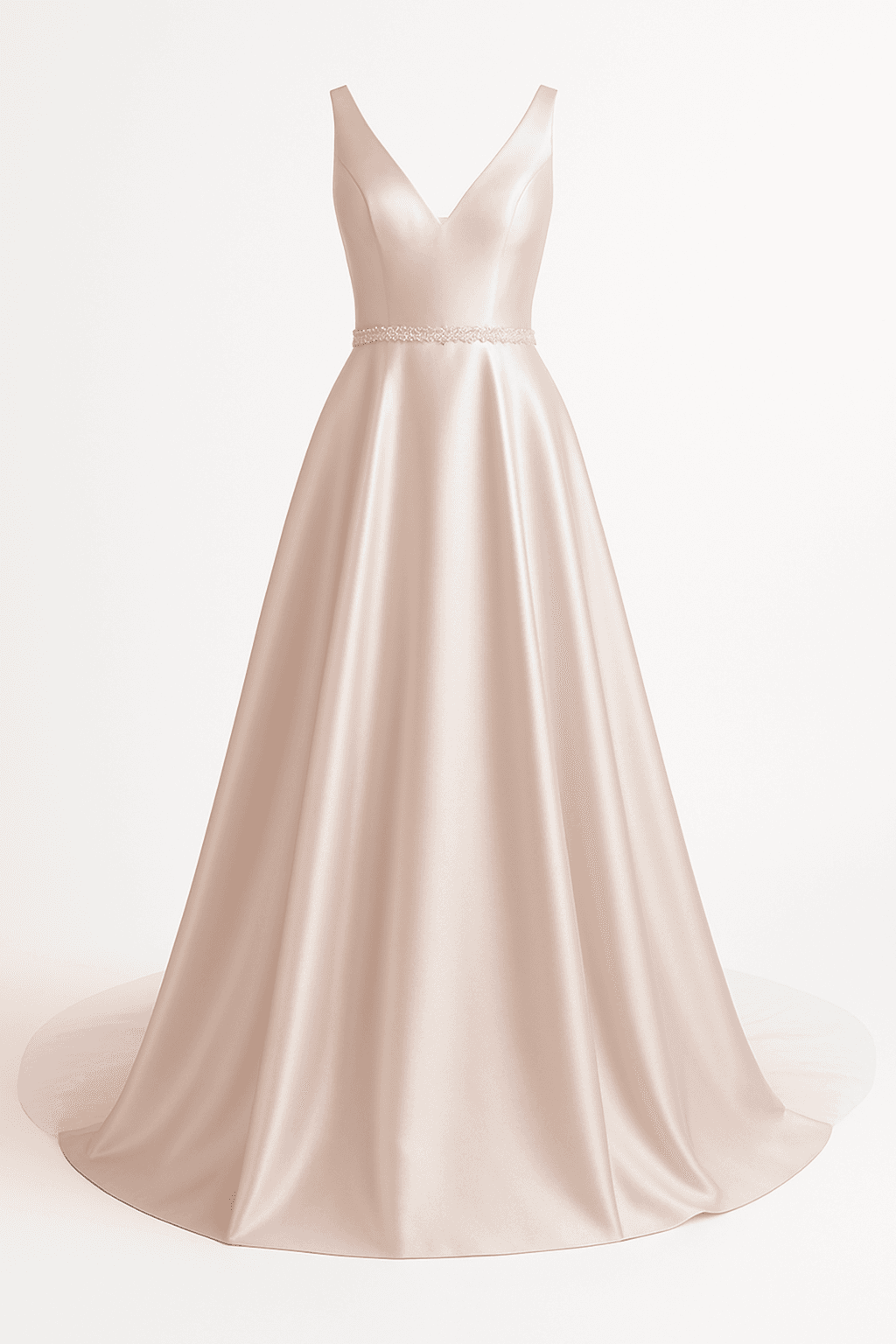
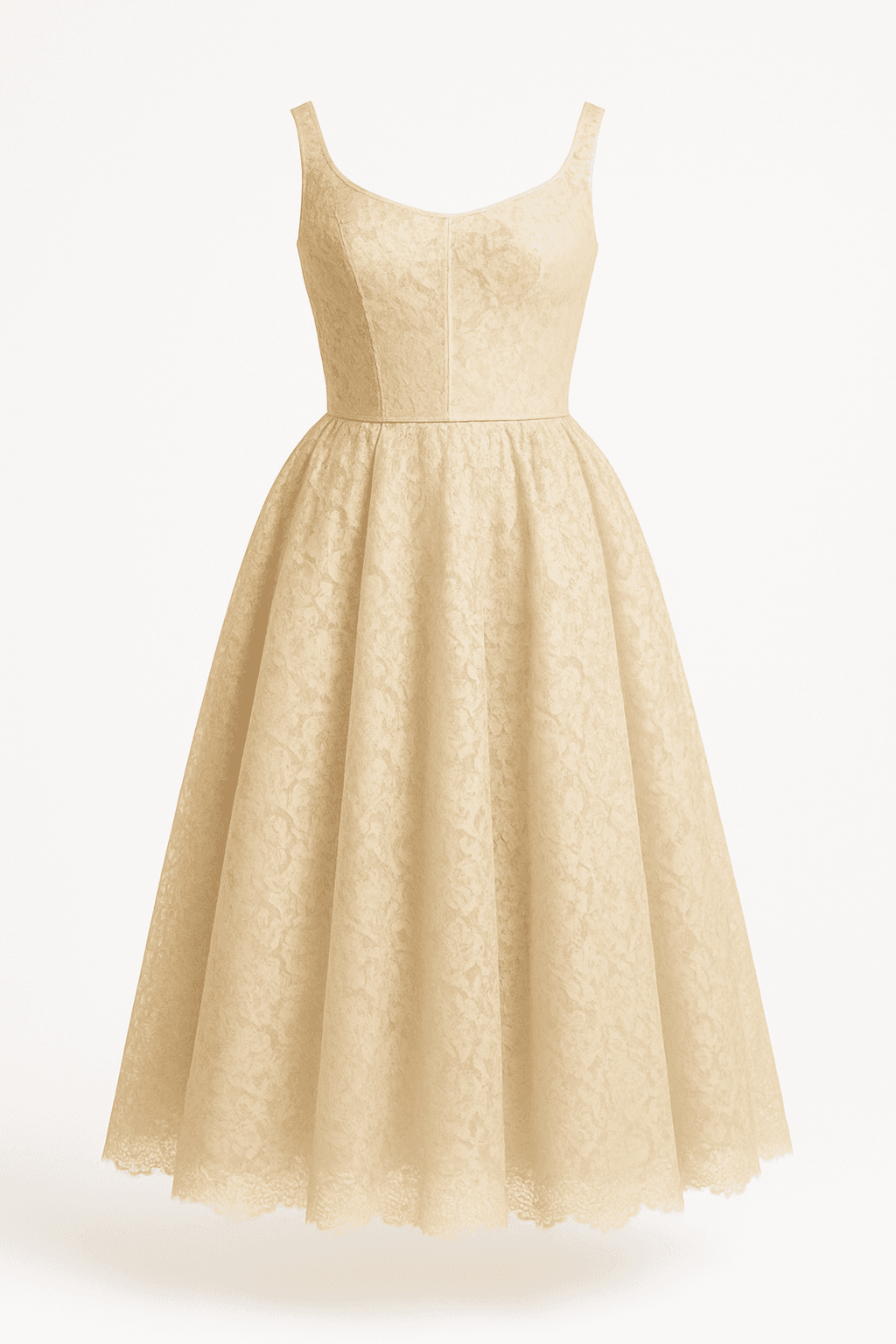
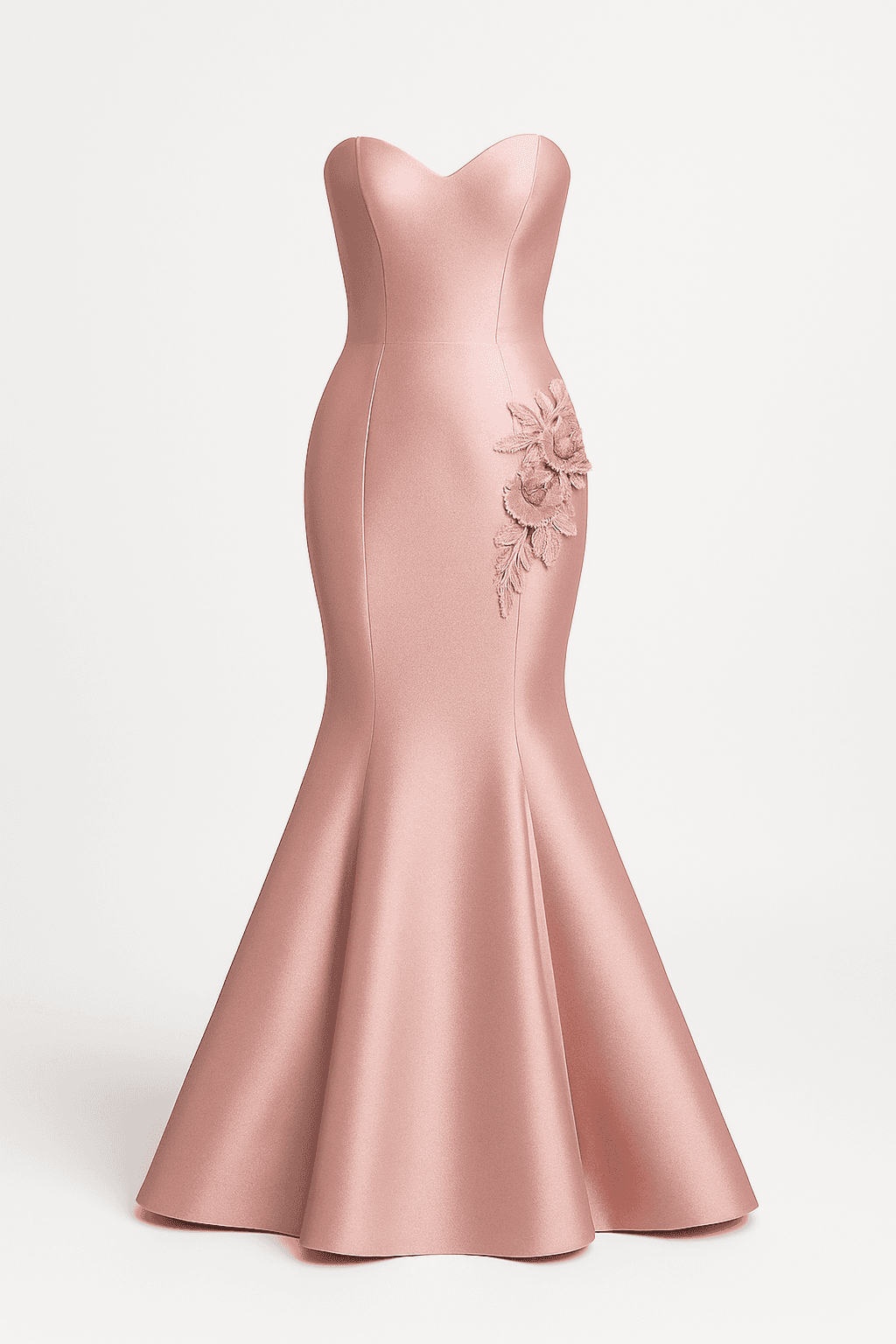
New arrivals
Marketplace
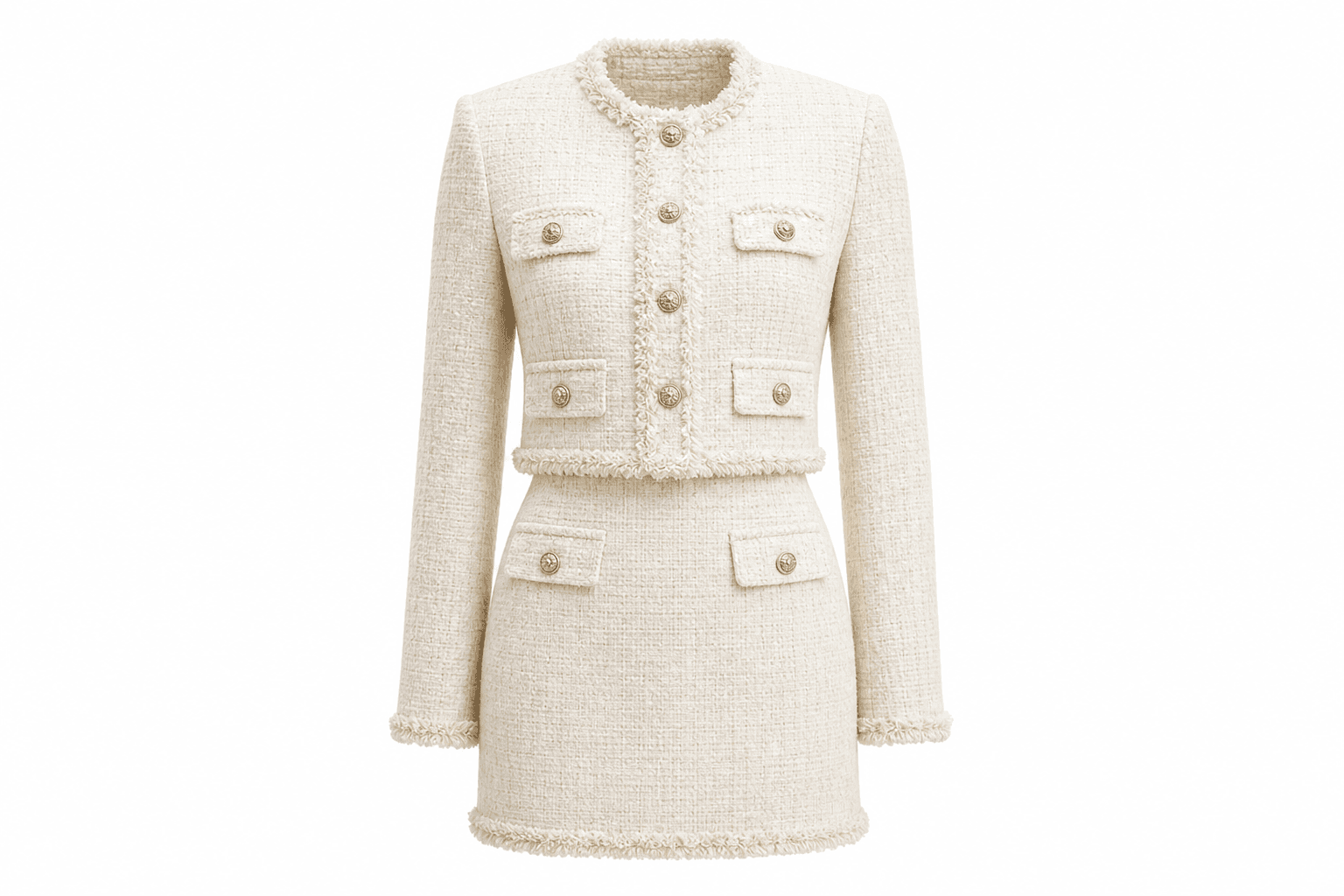
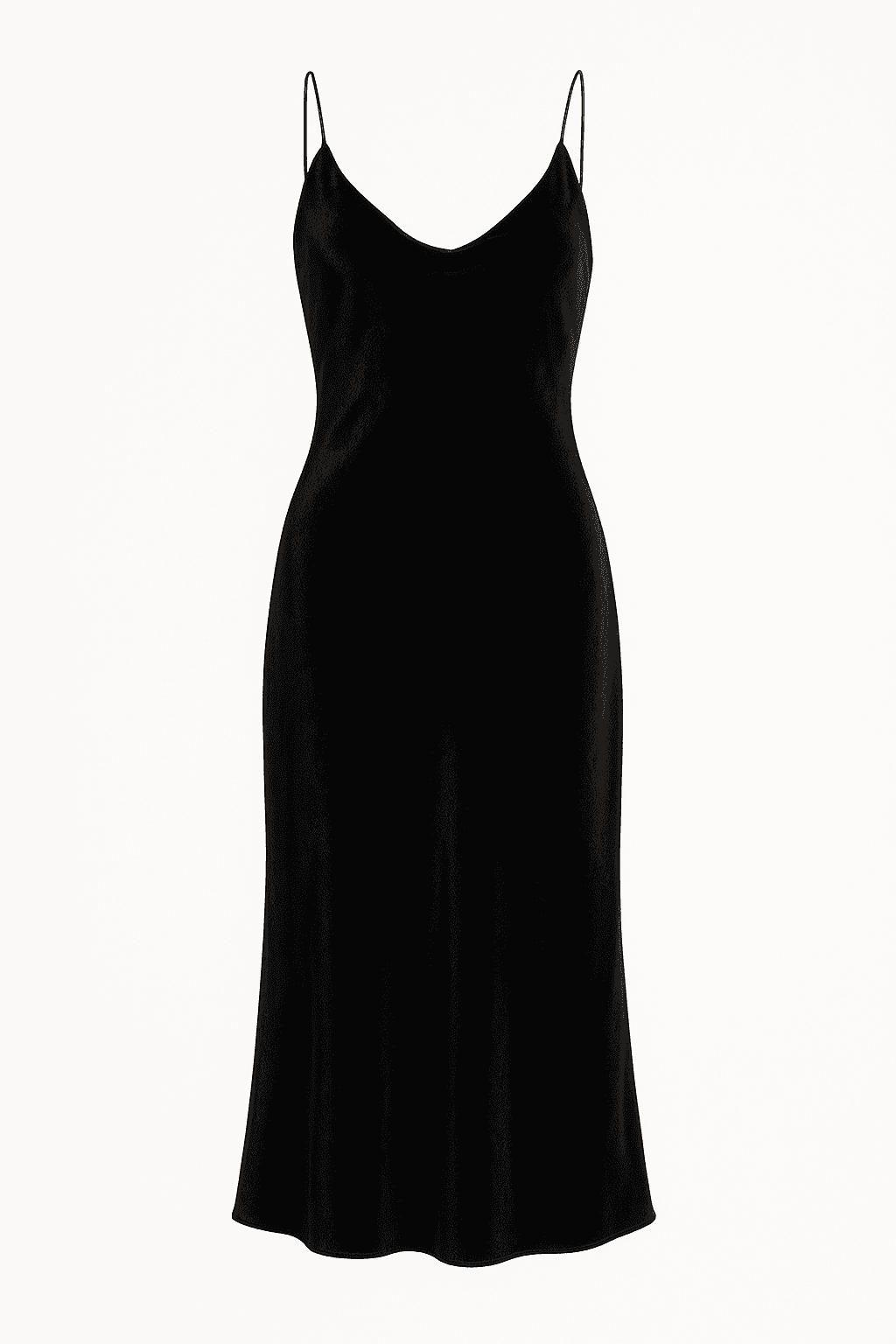
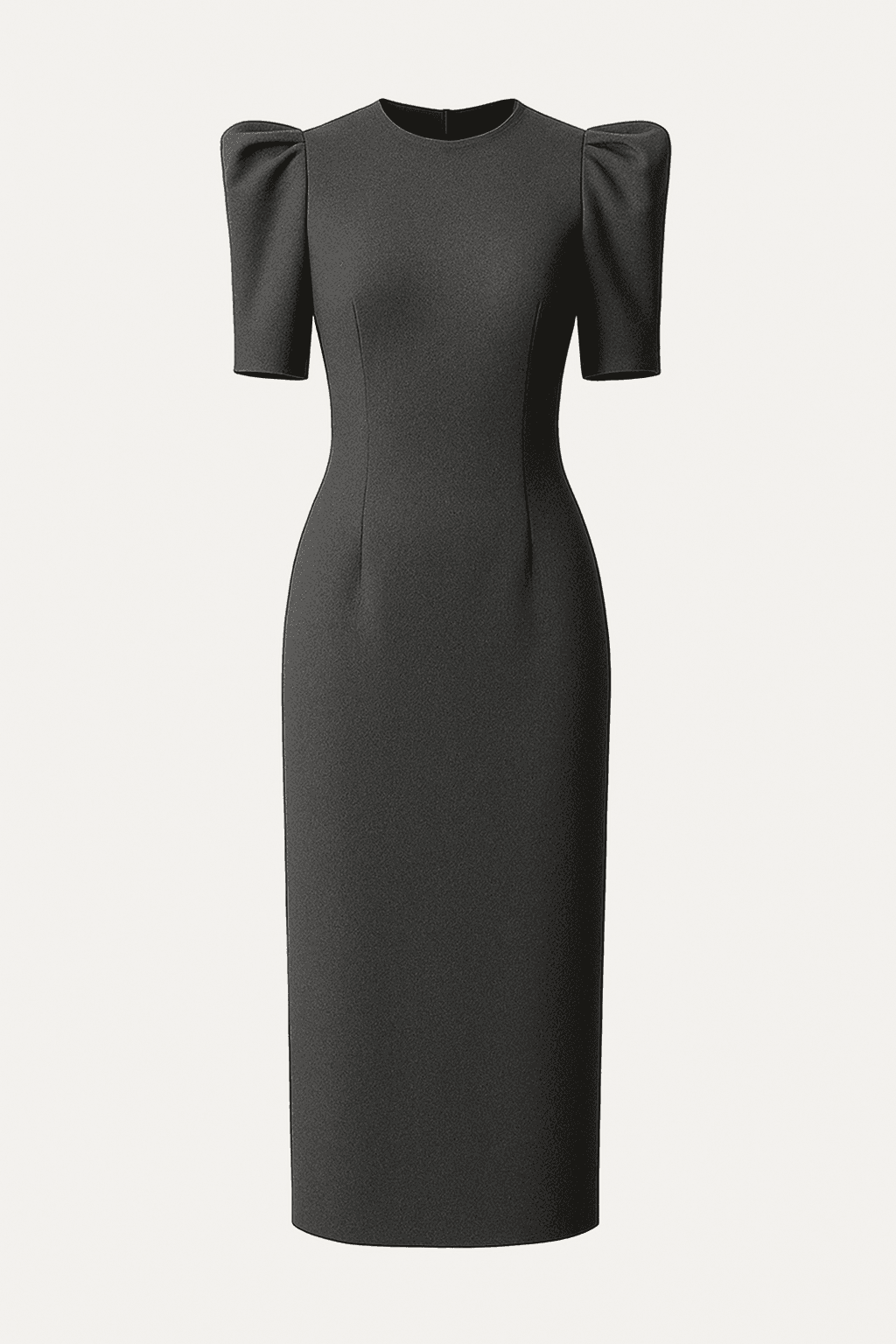
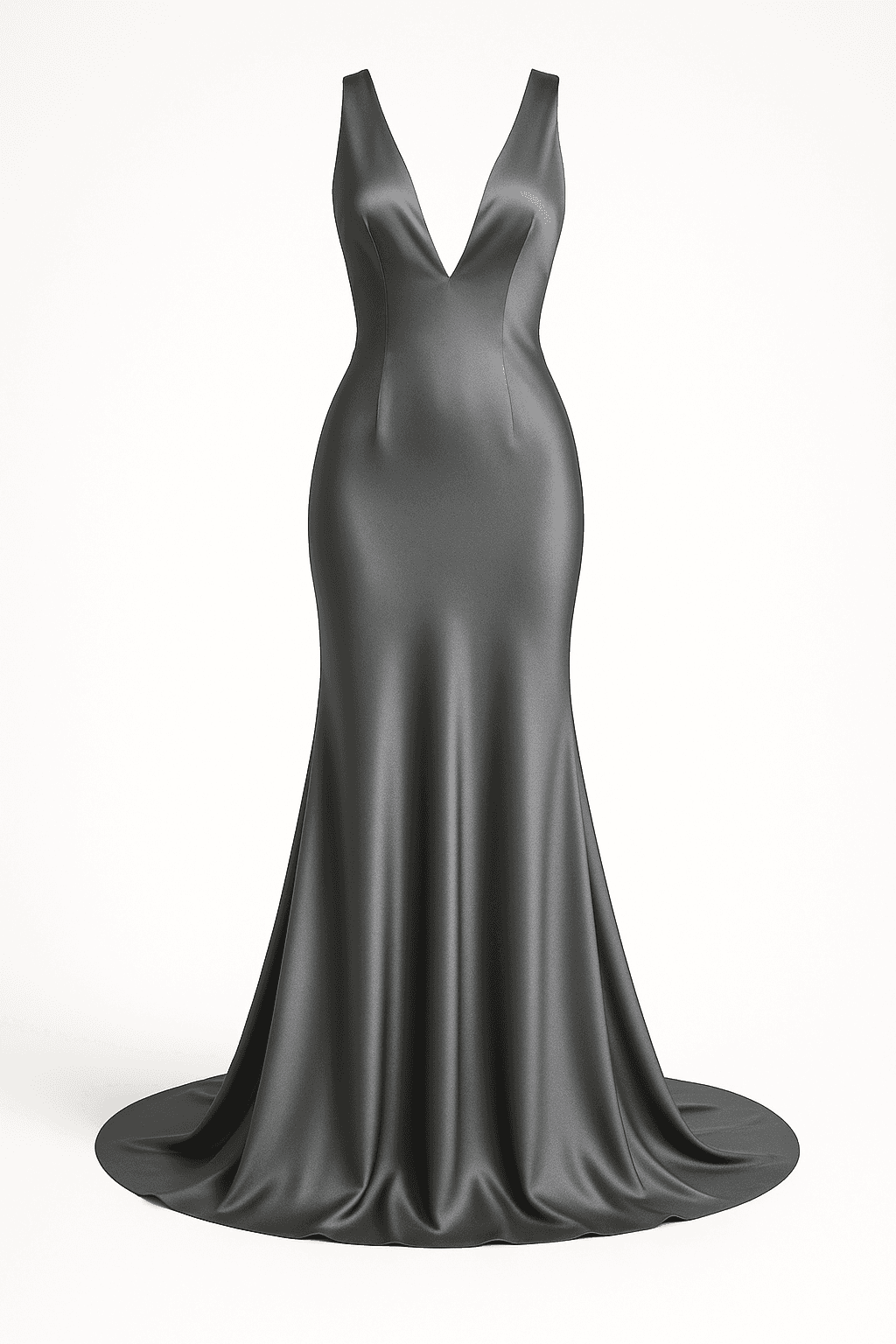
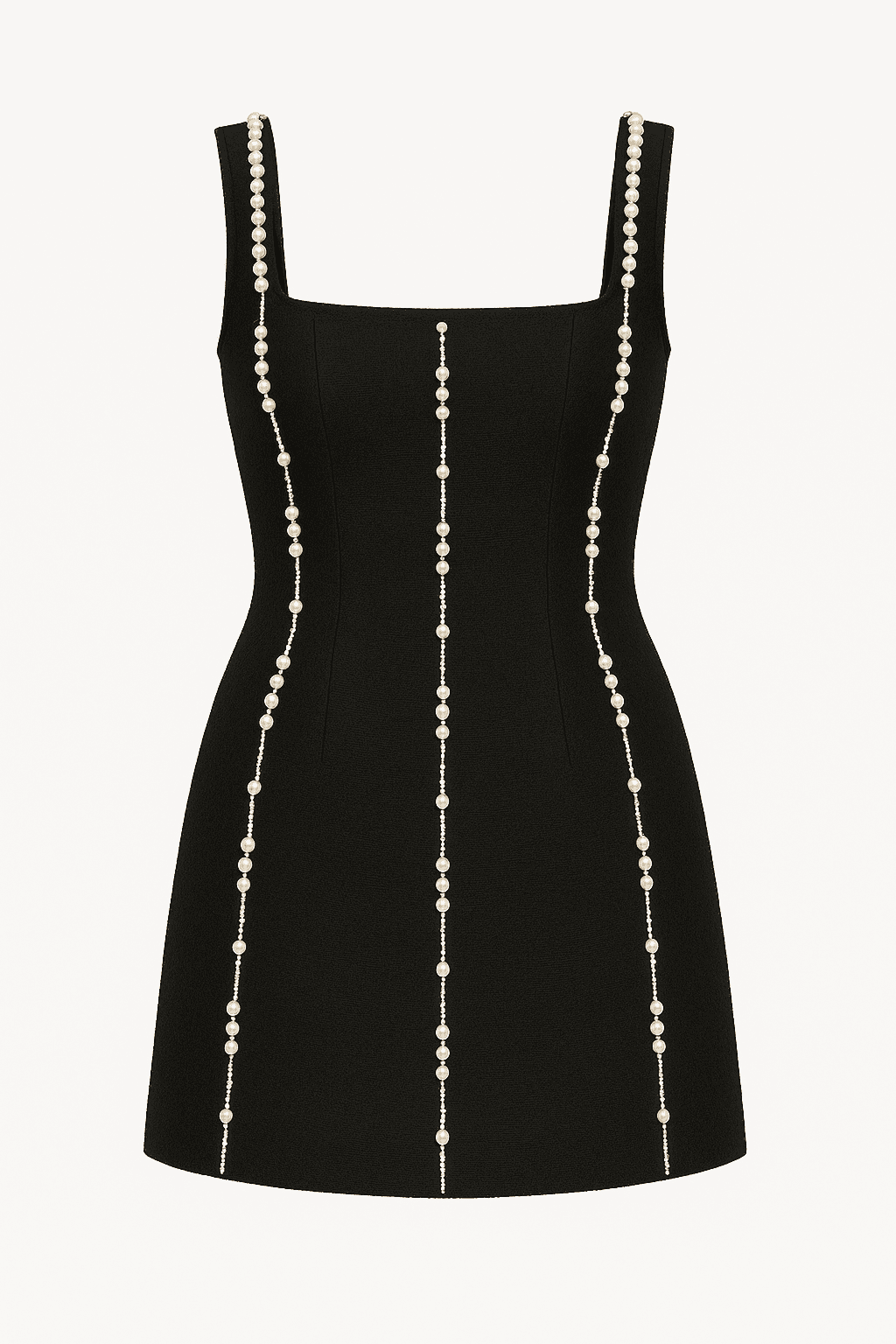
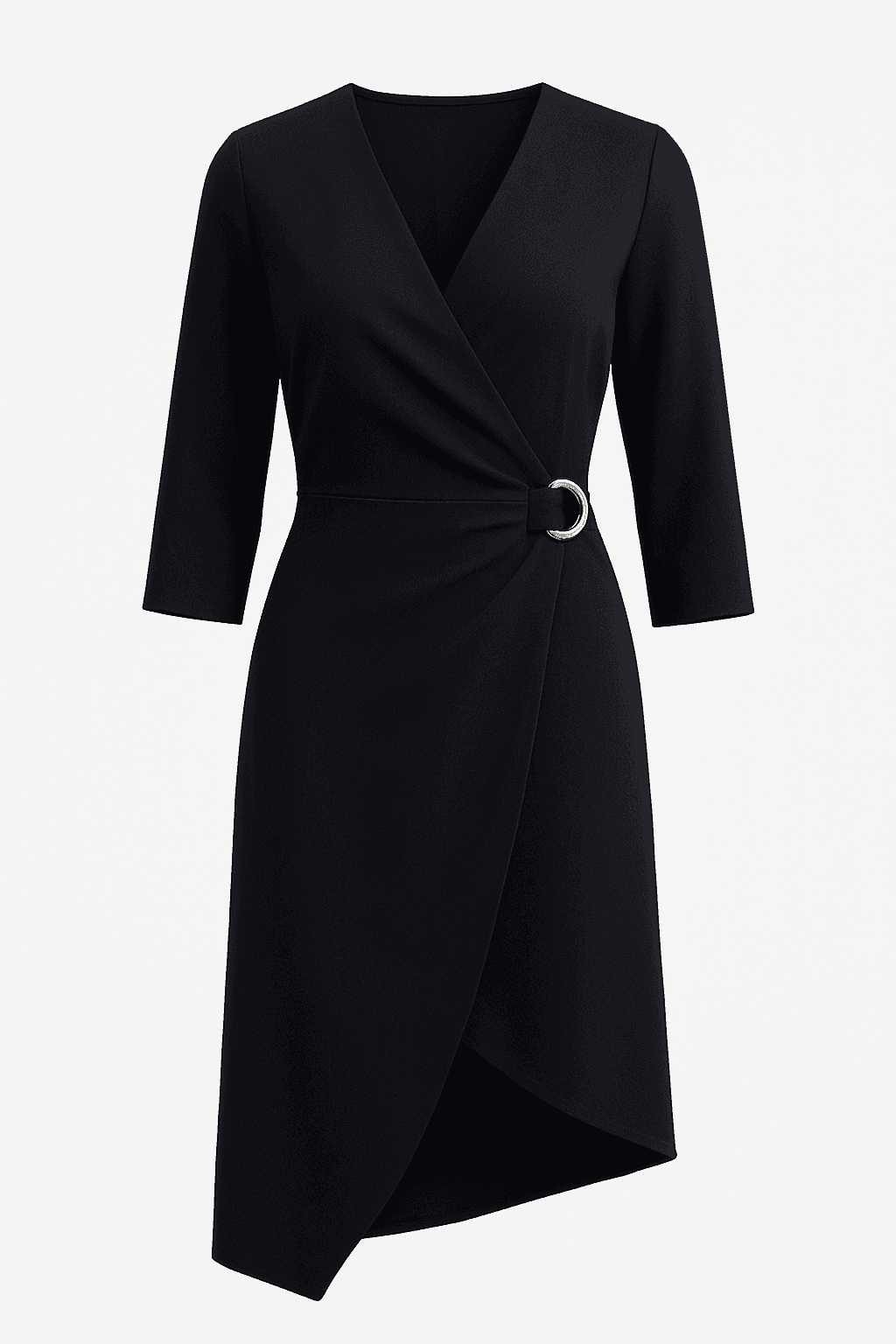
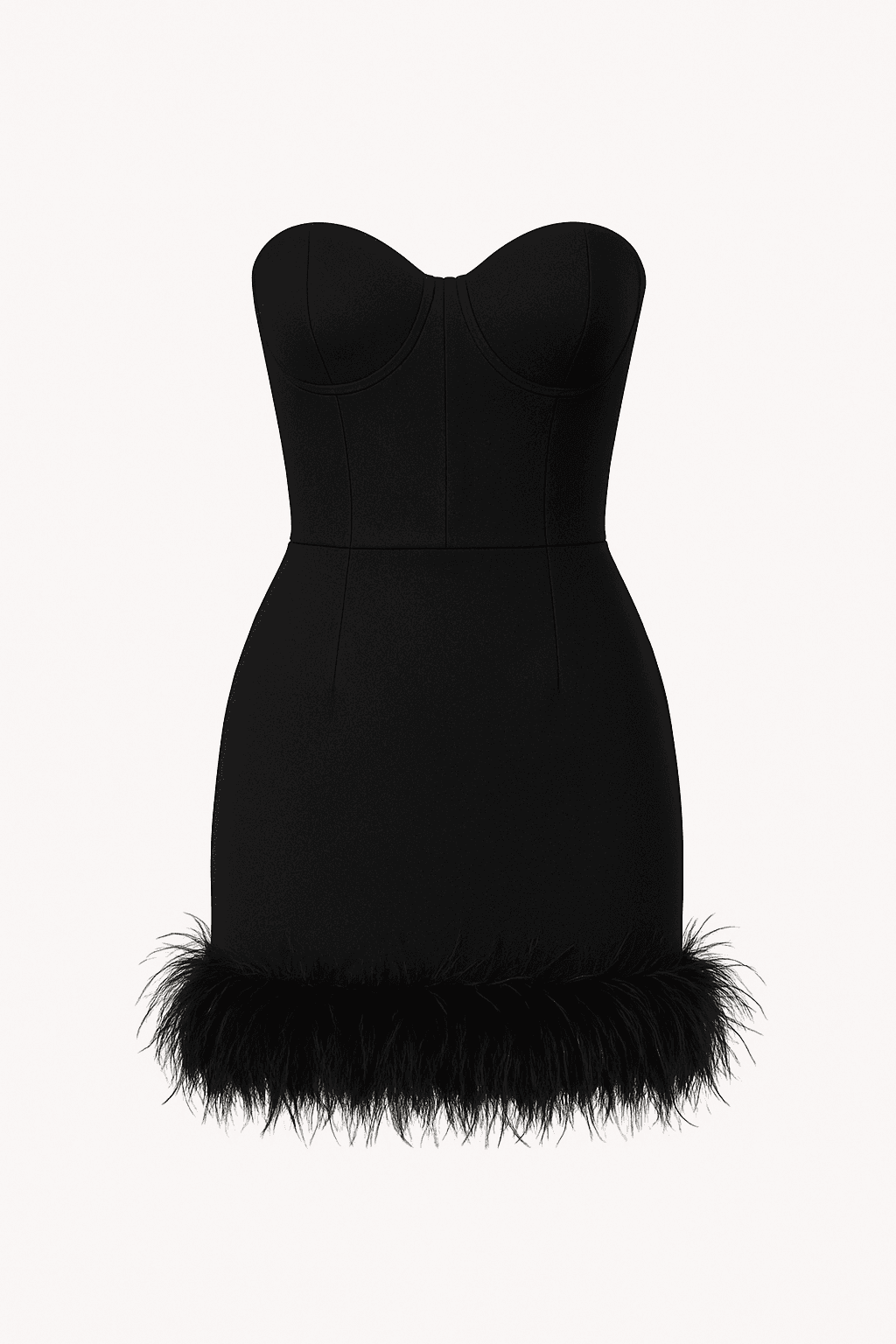
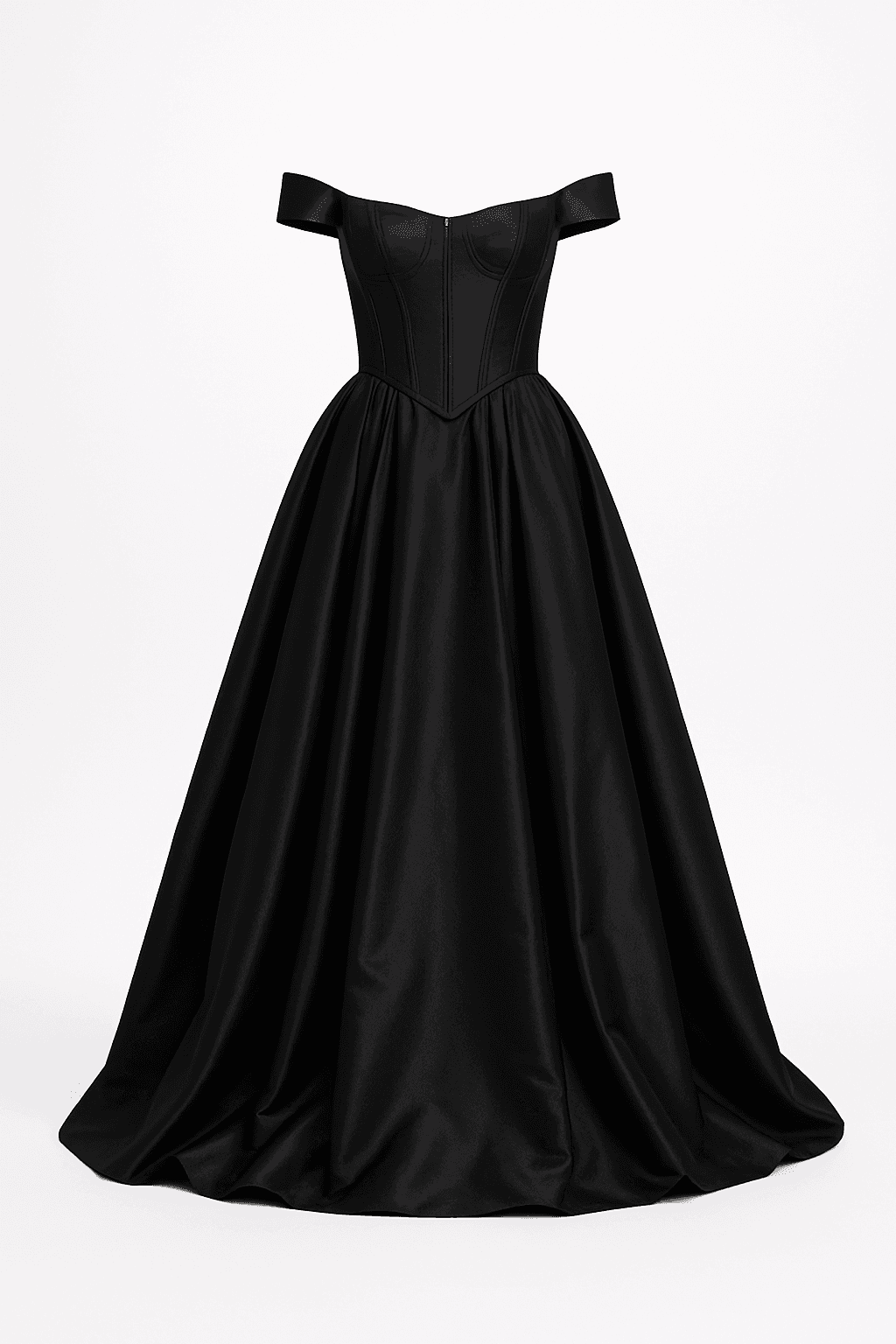
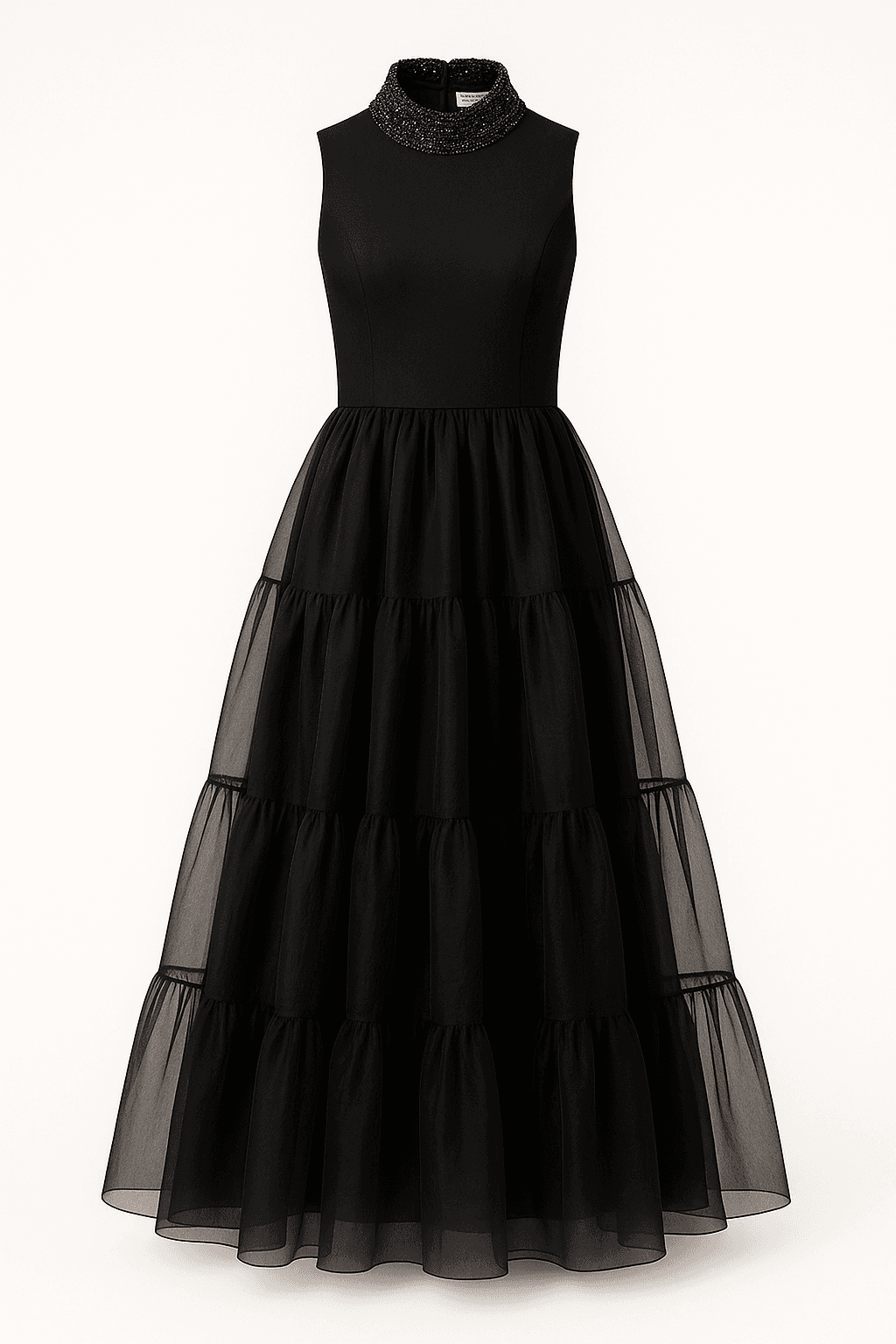
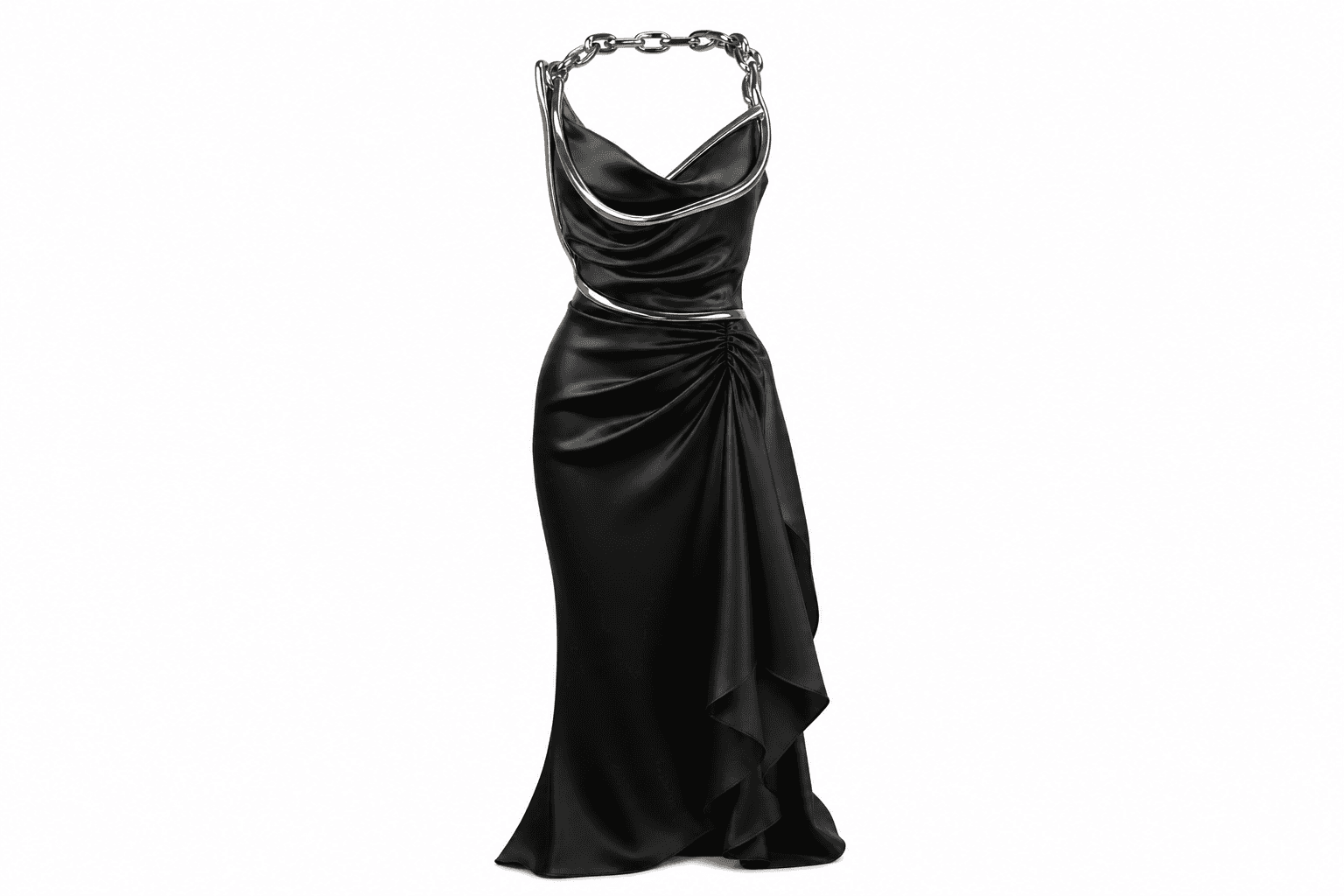
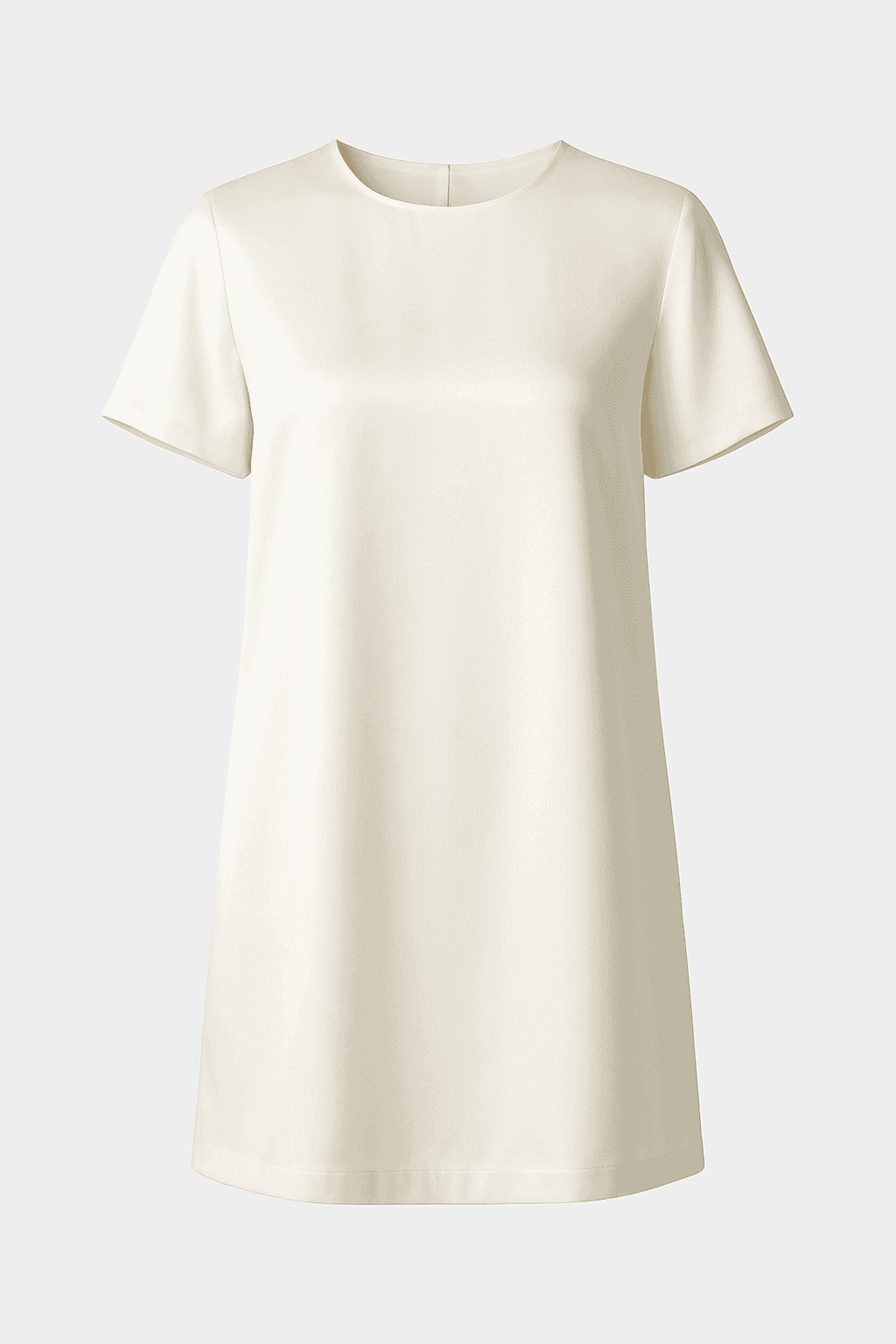
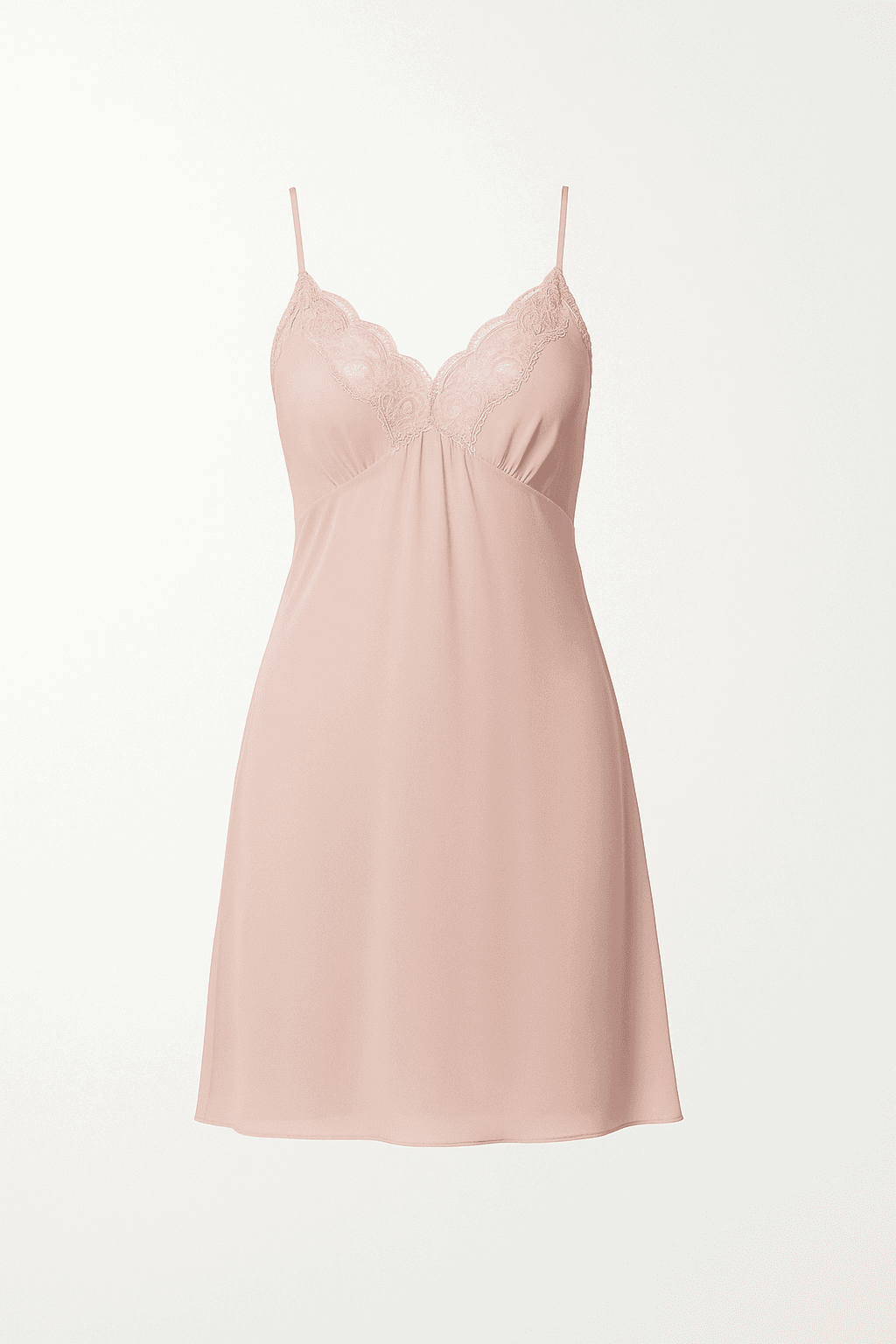
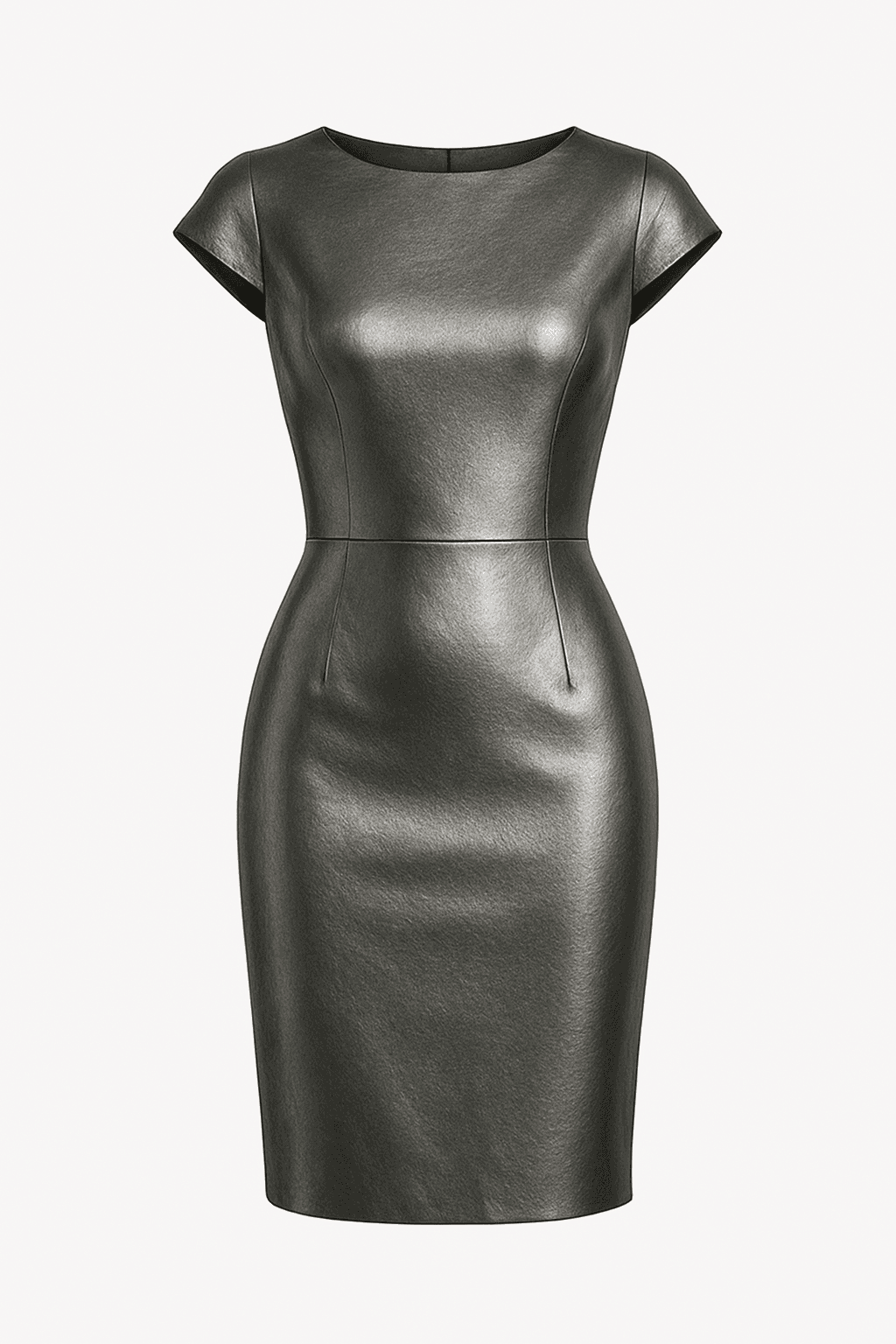
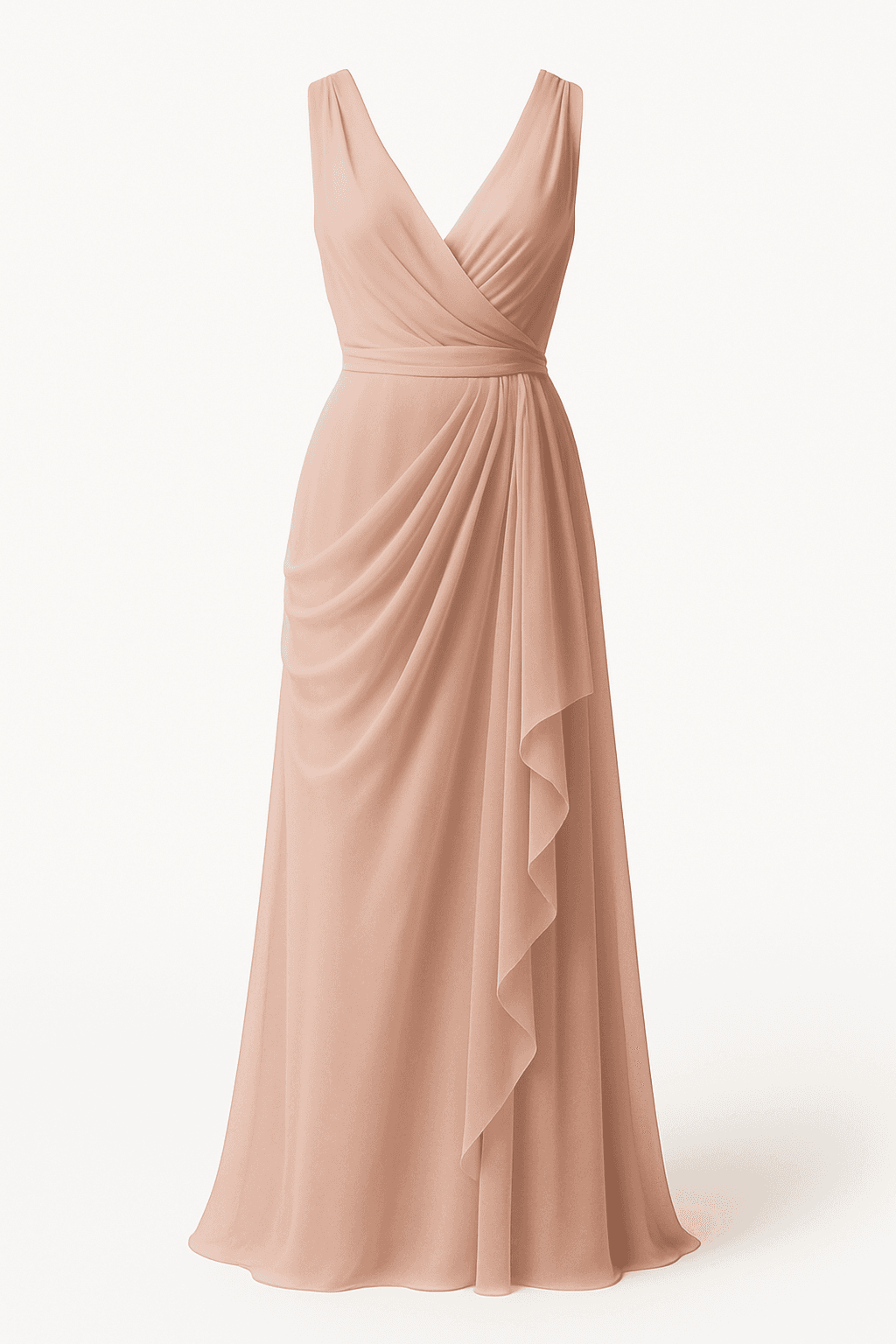
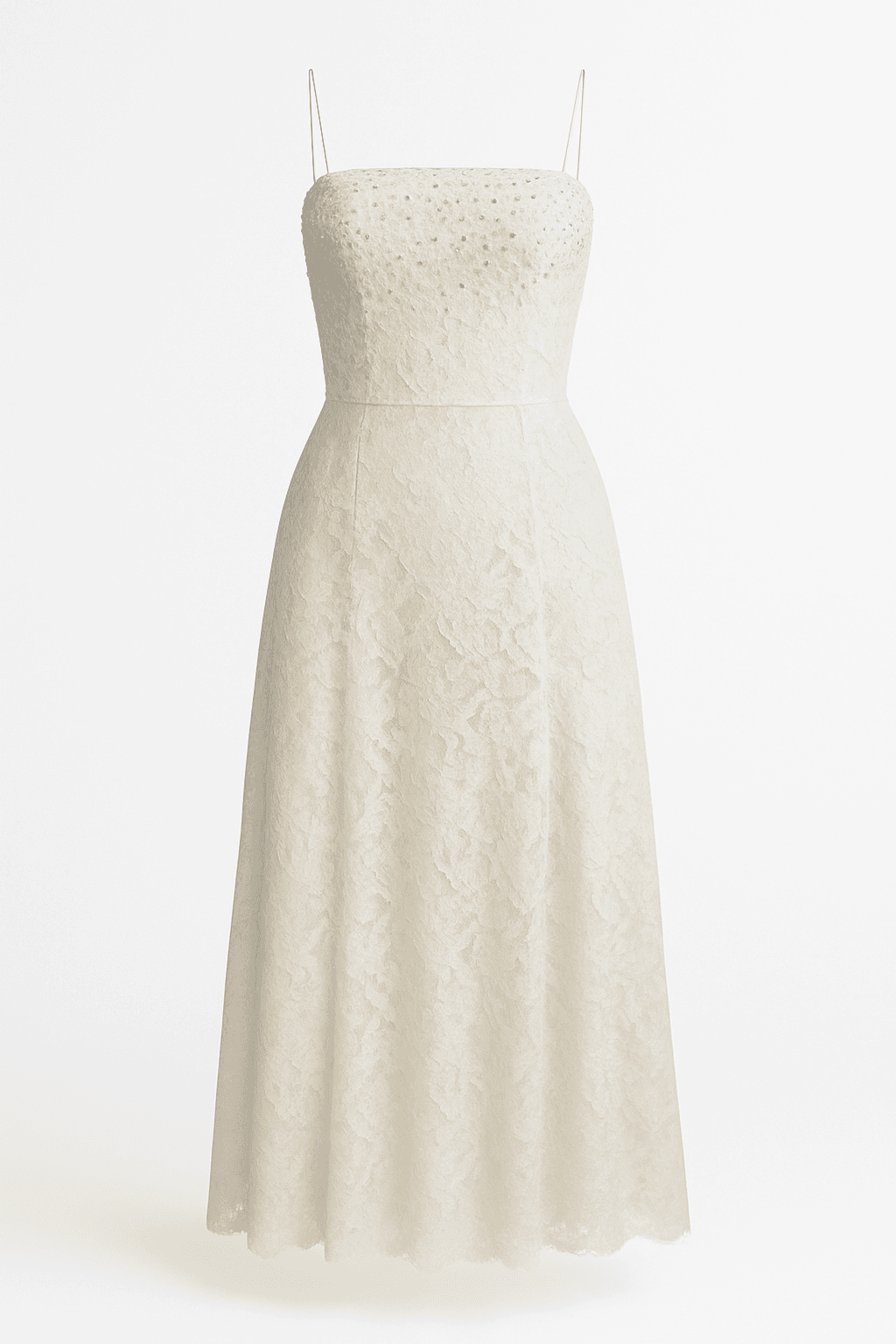
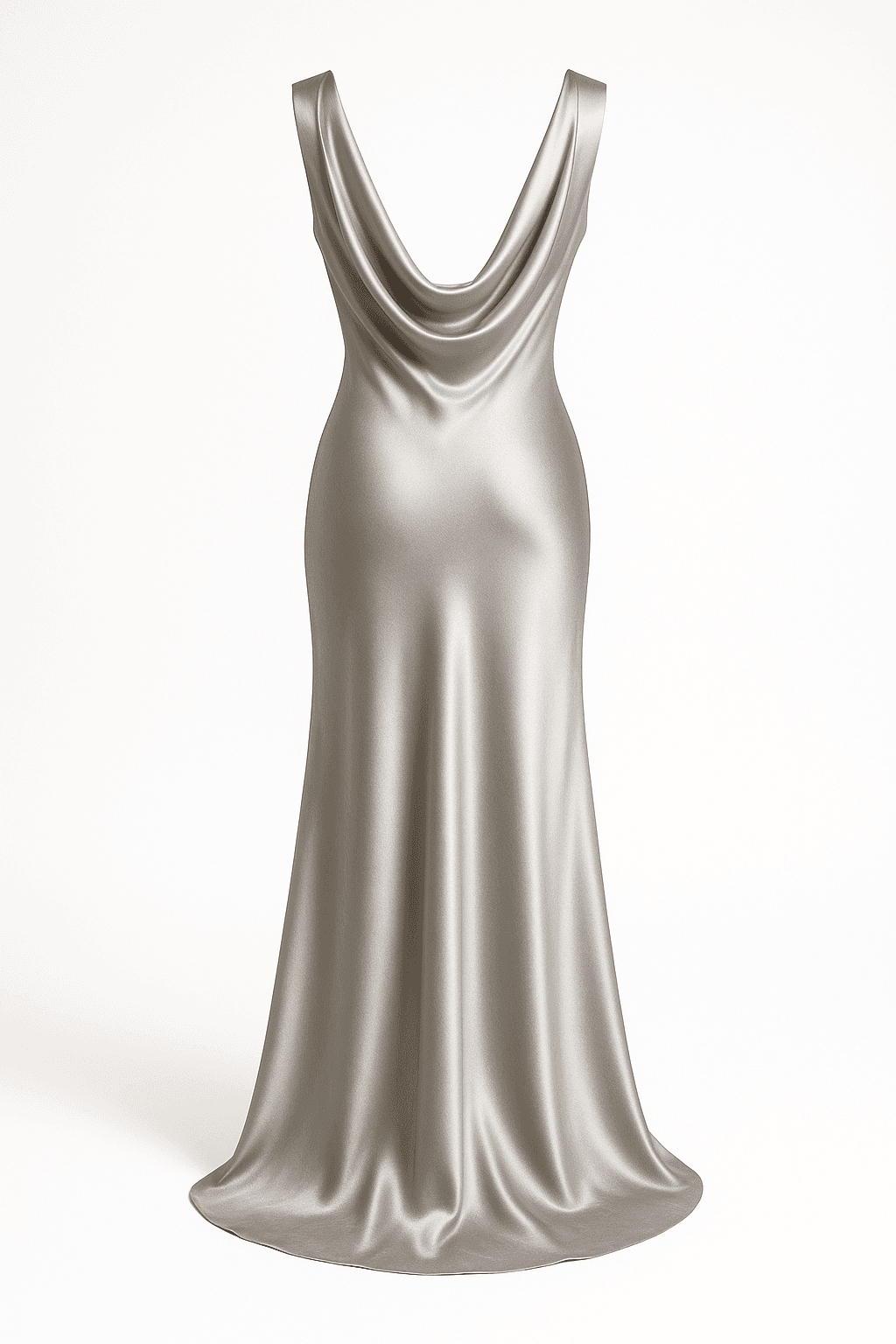
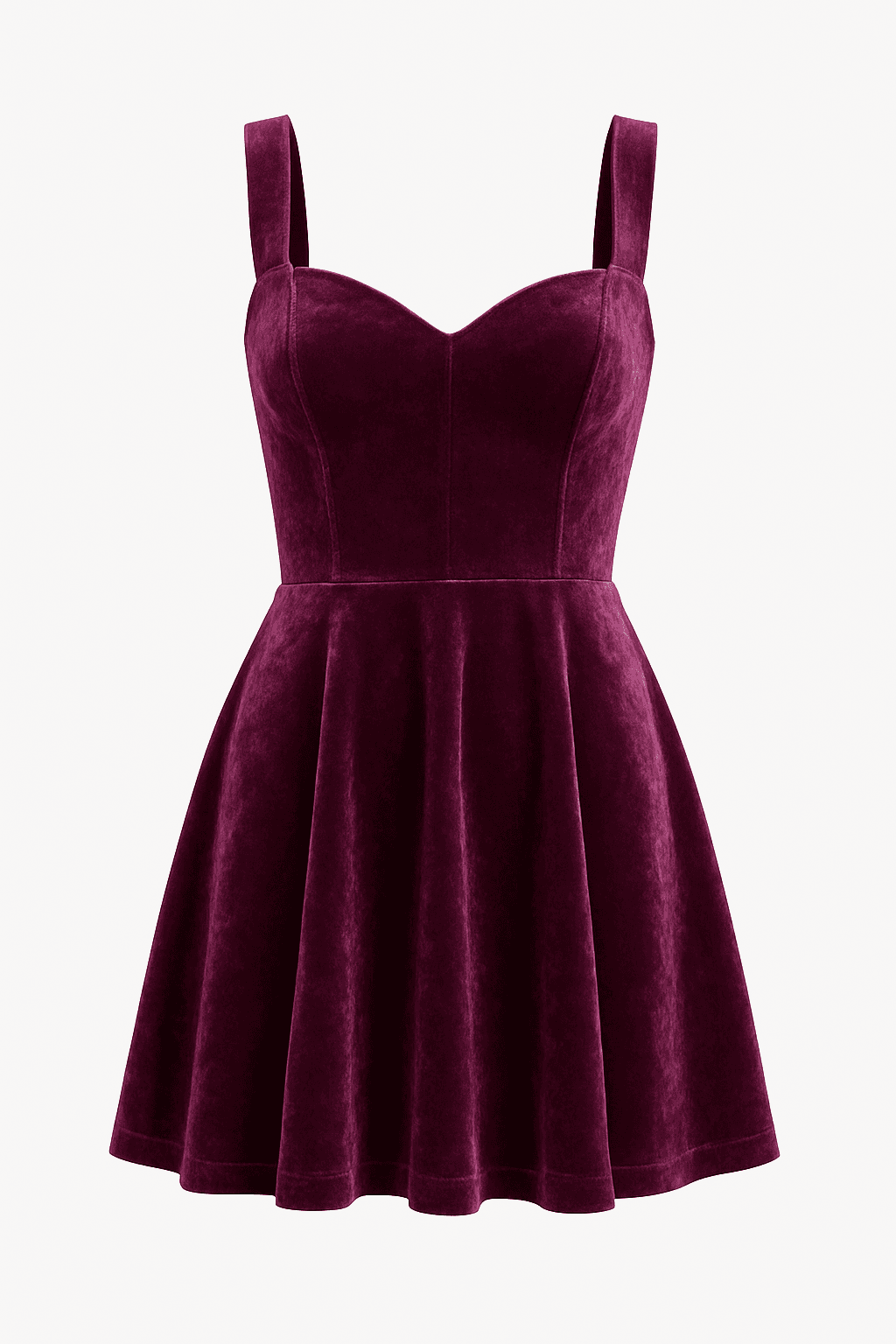
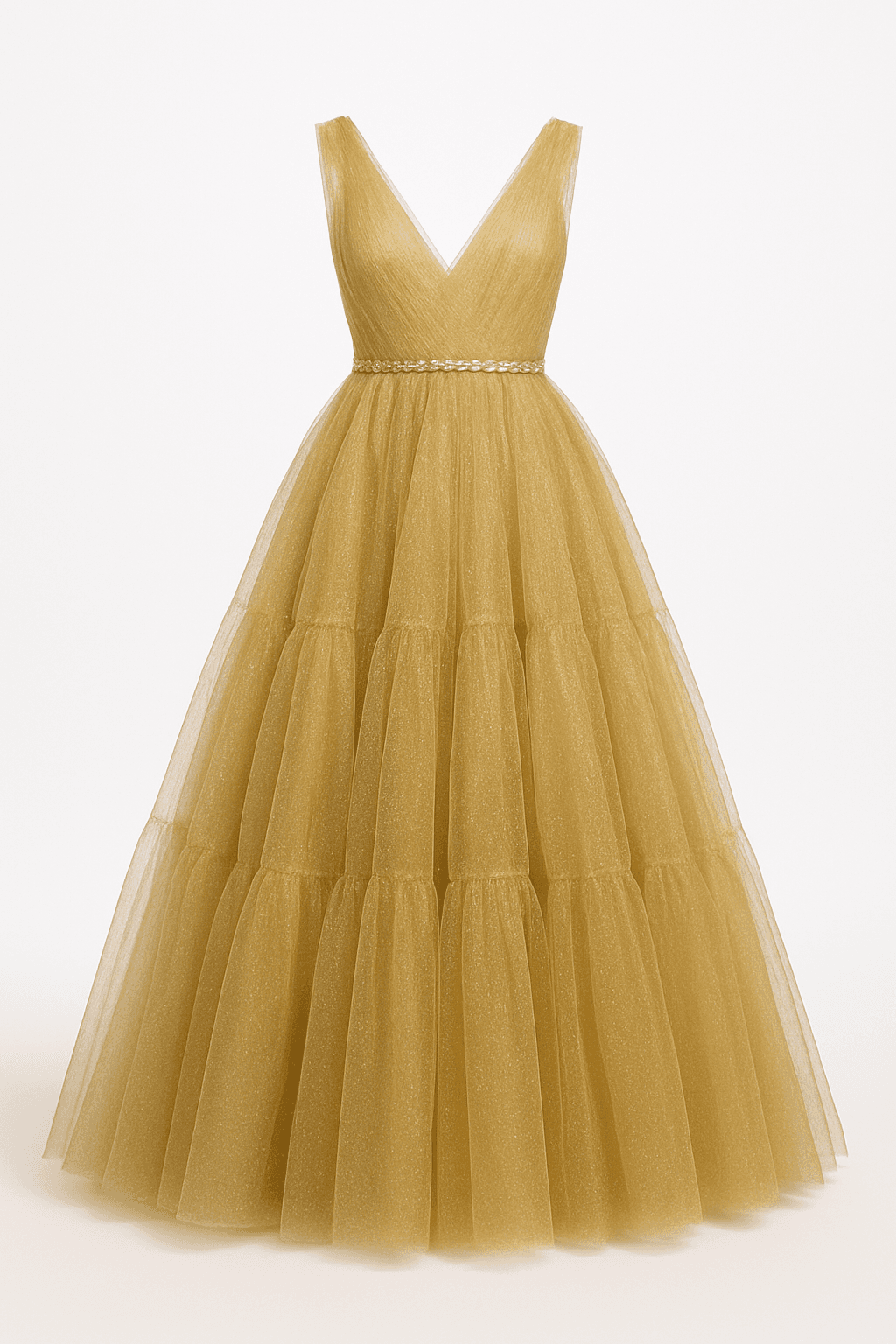
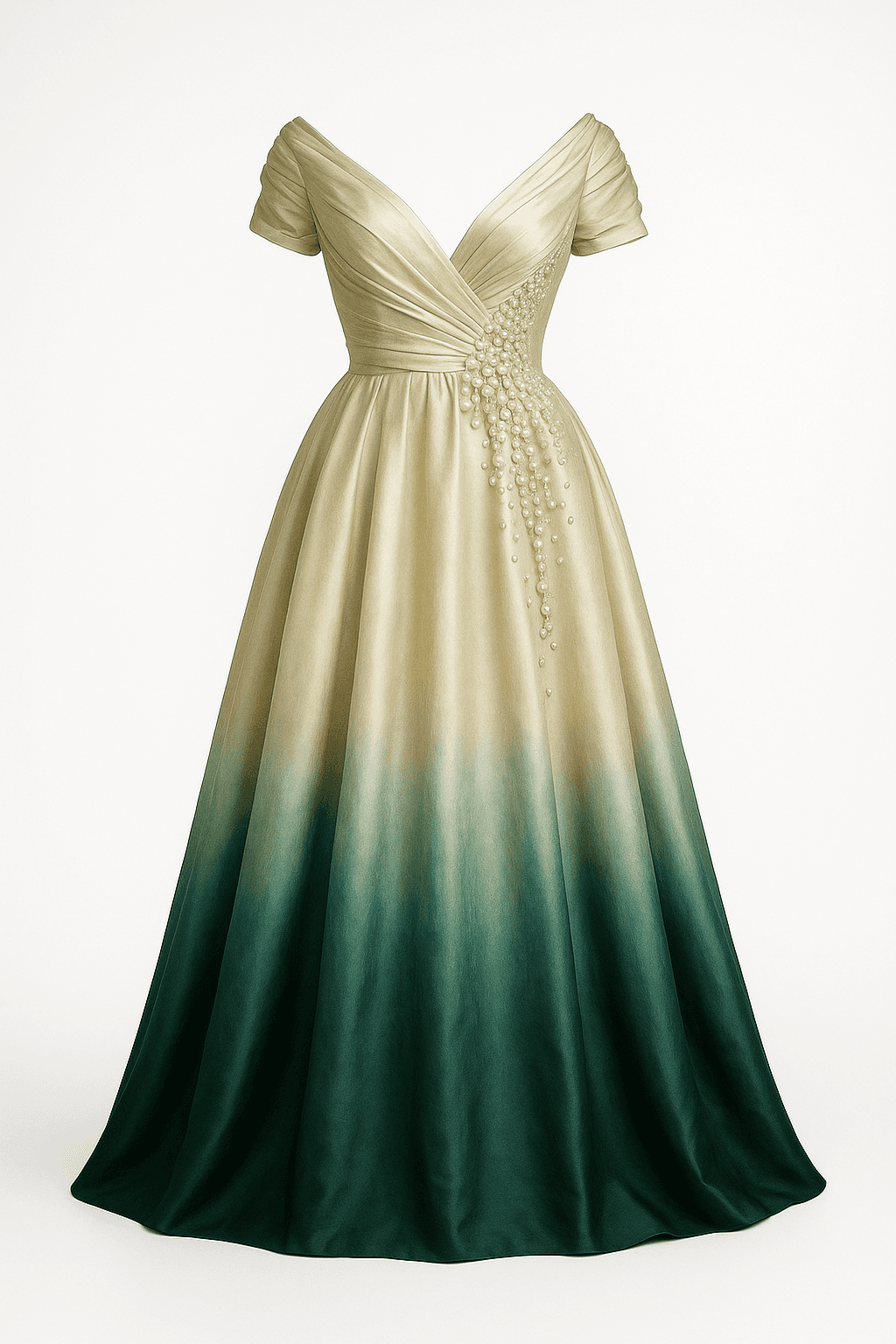
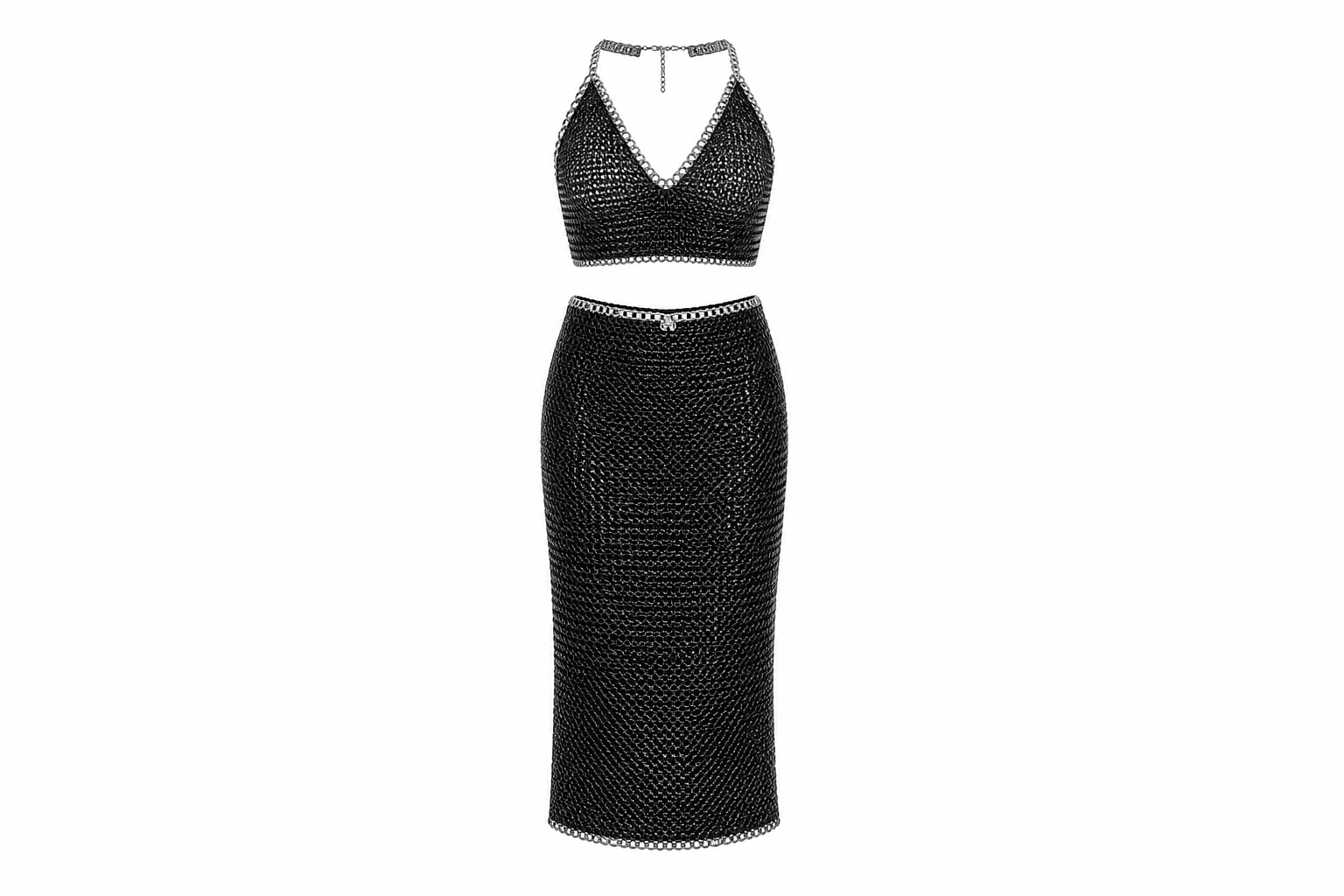
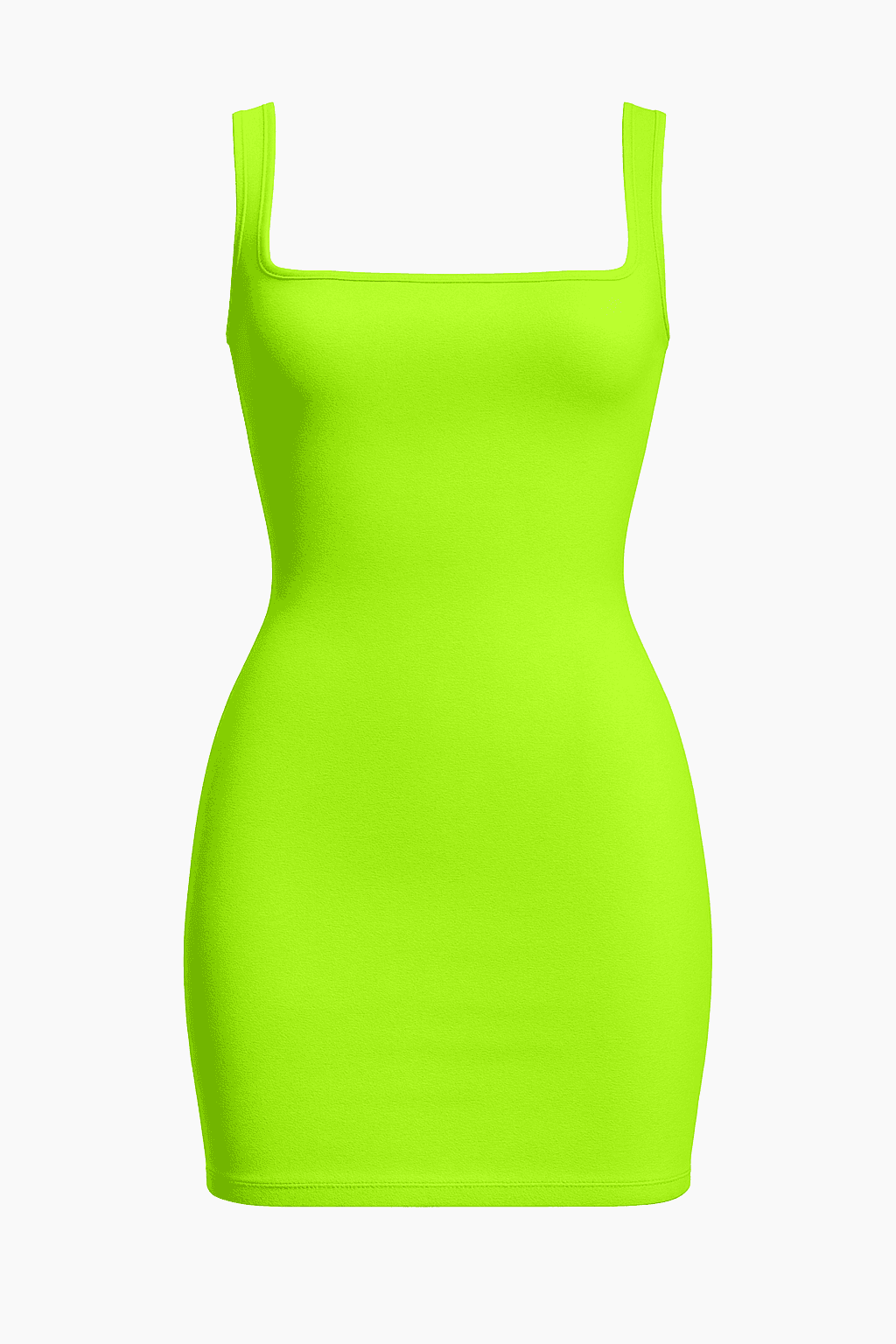
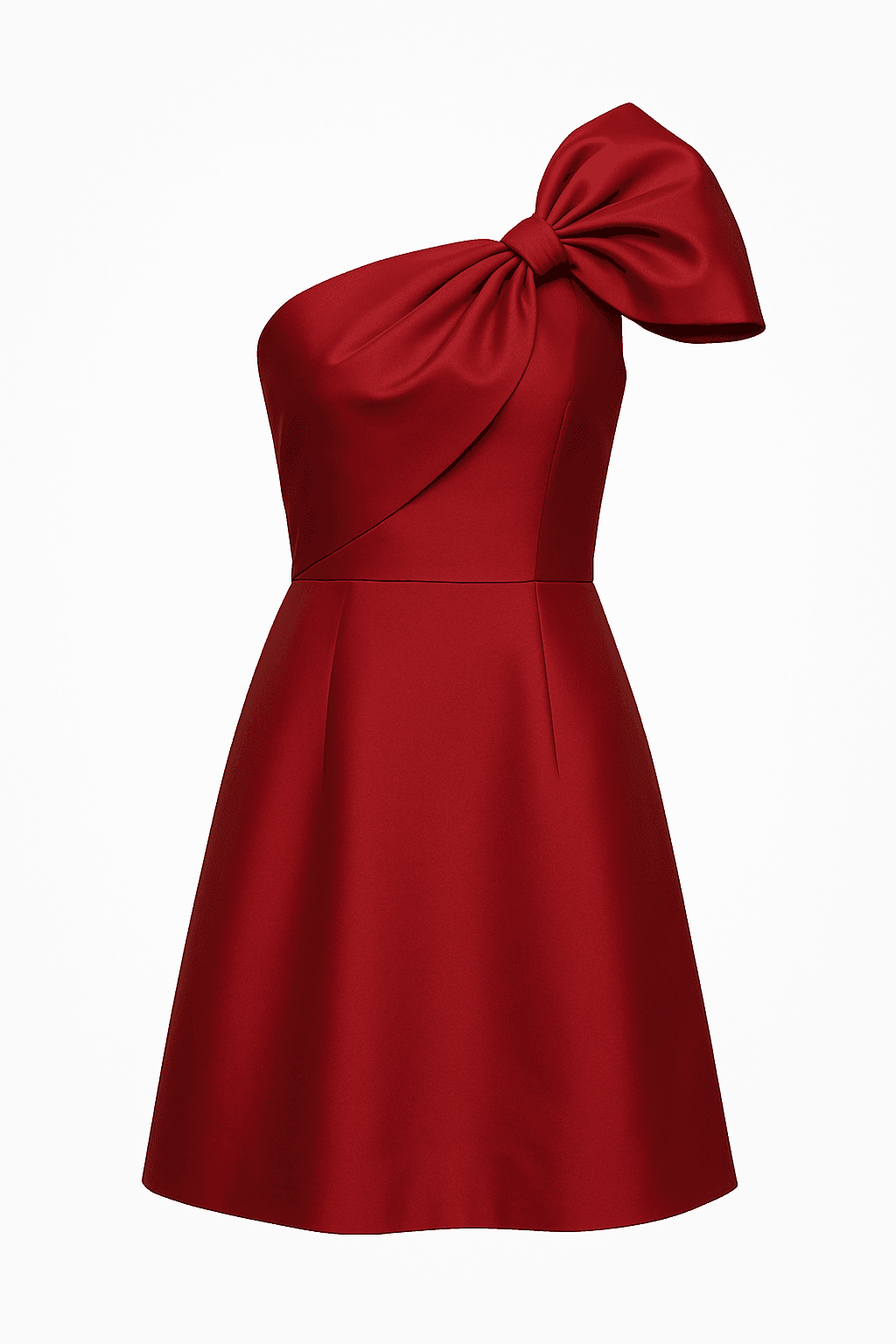
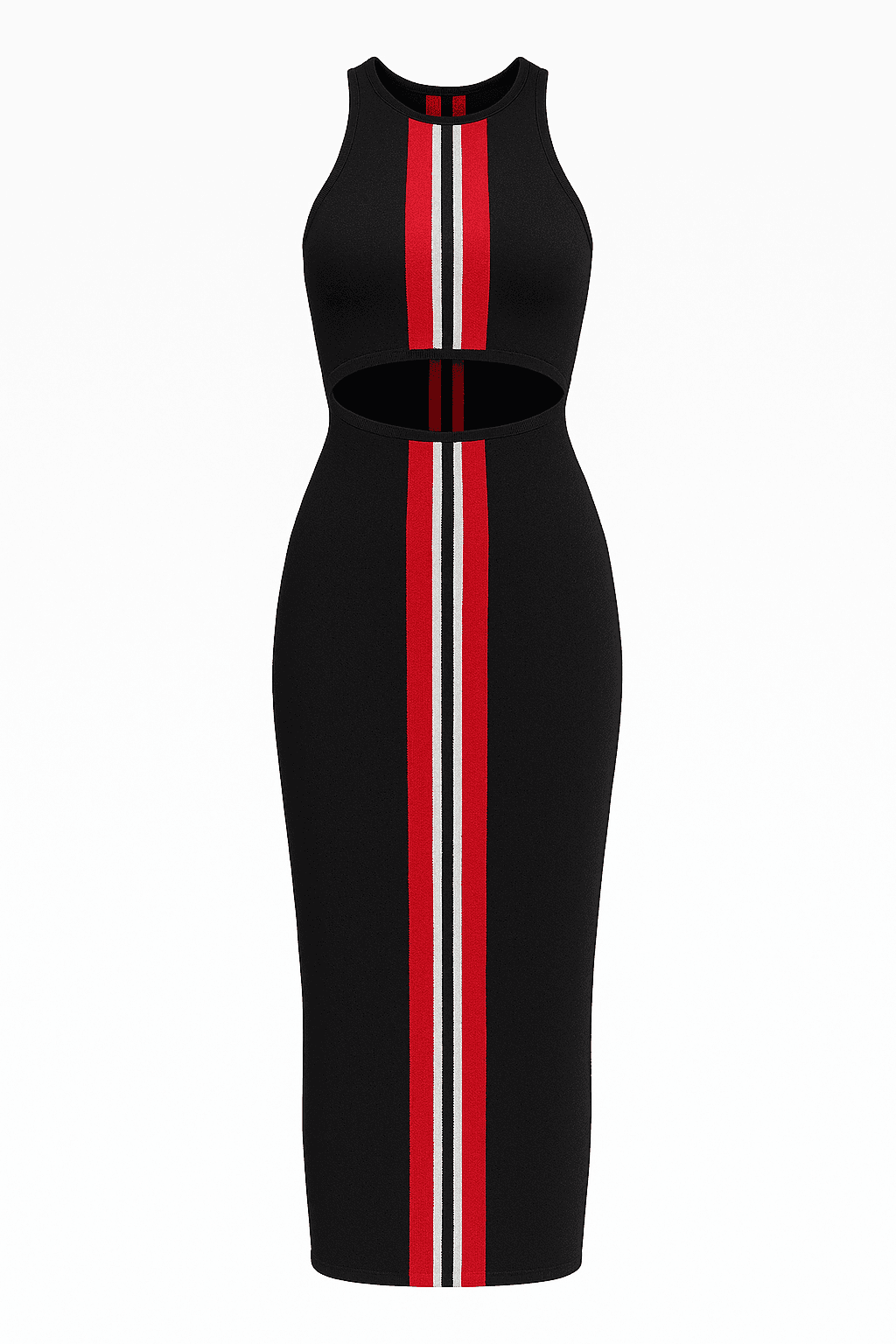
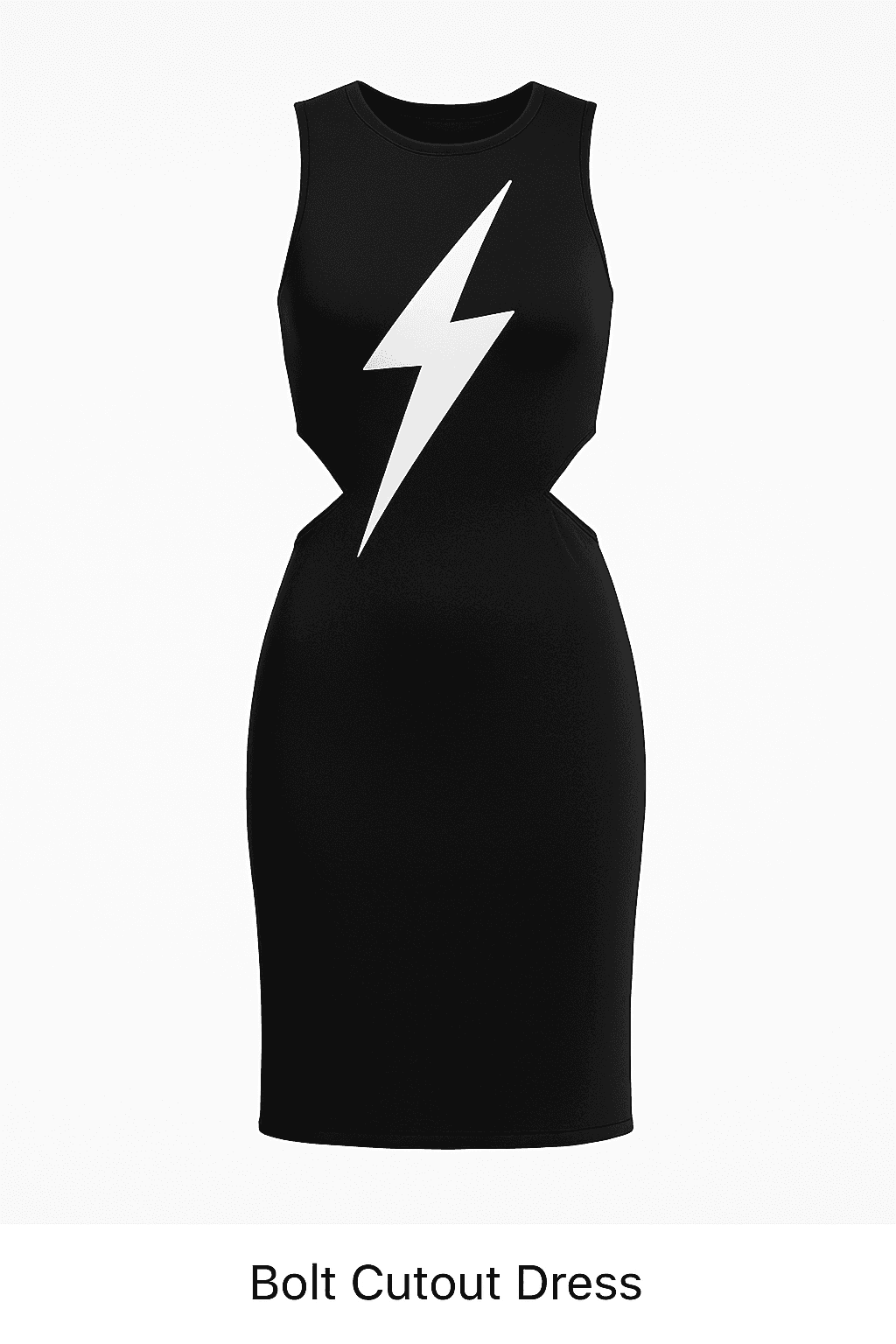
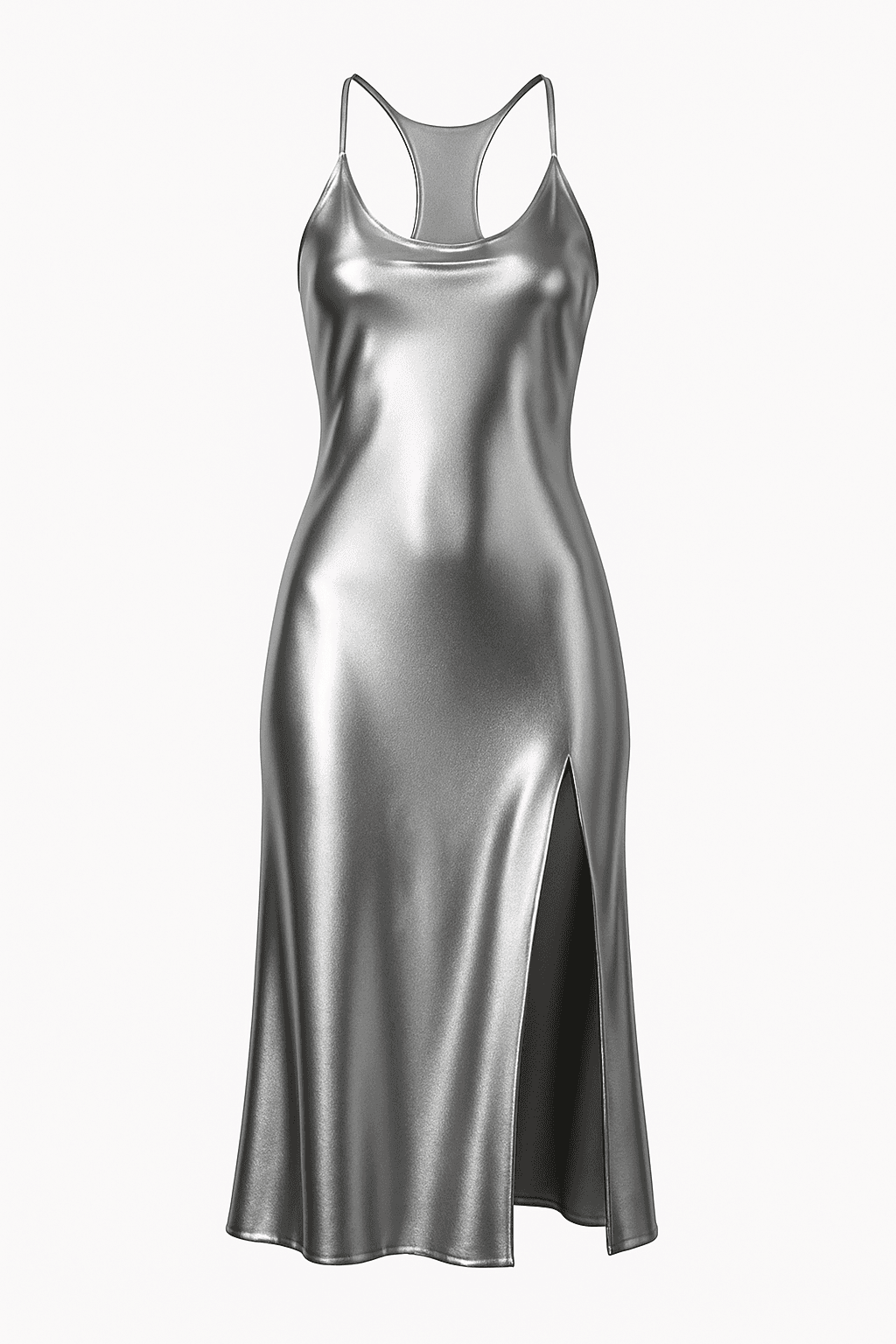
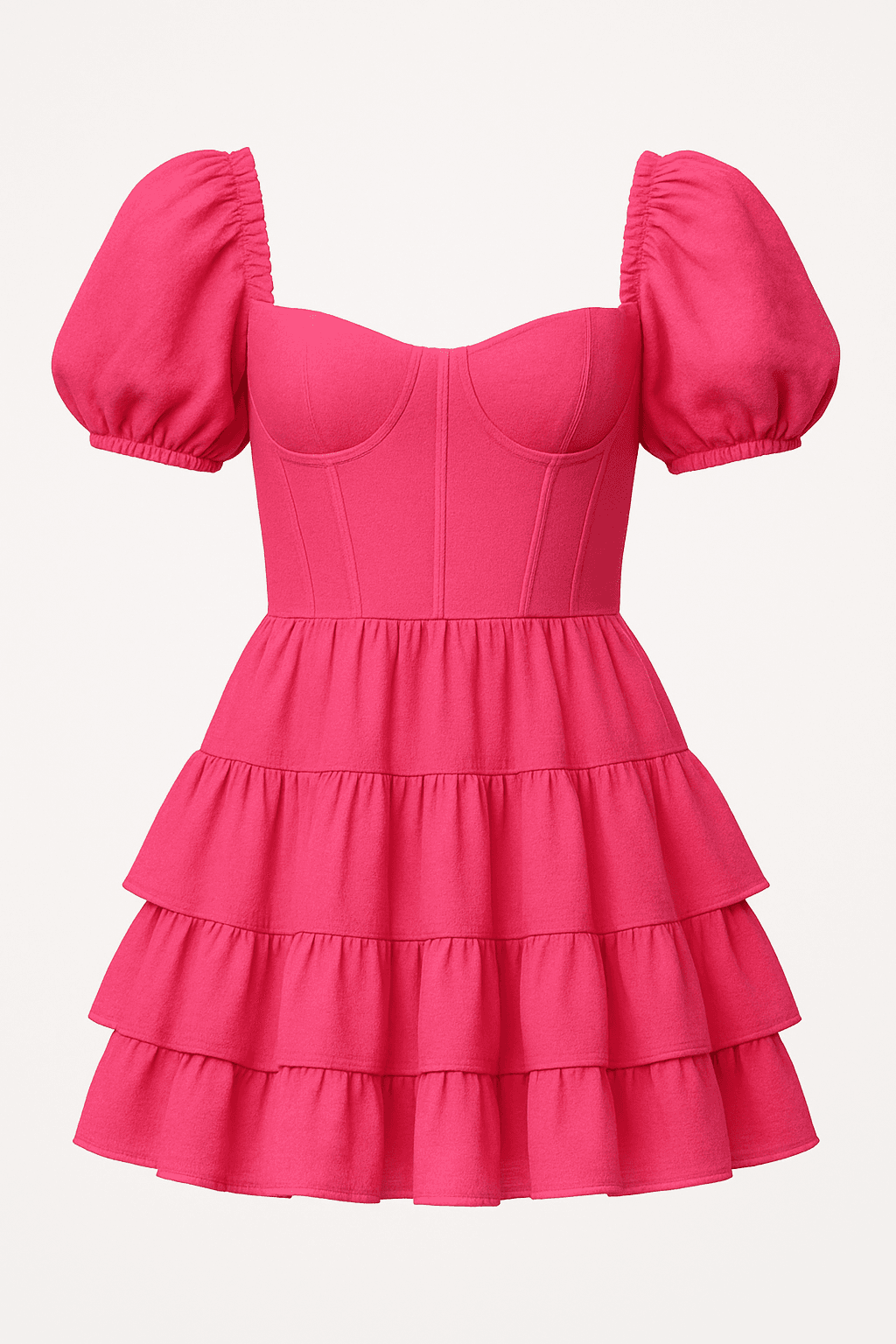
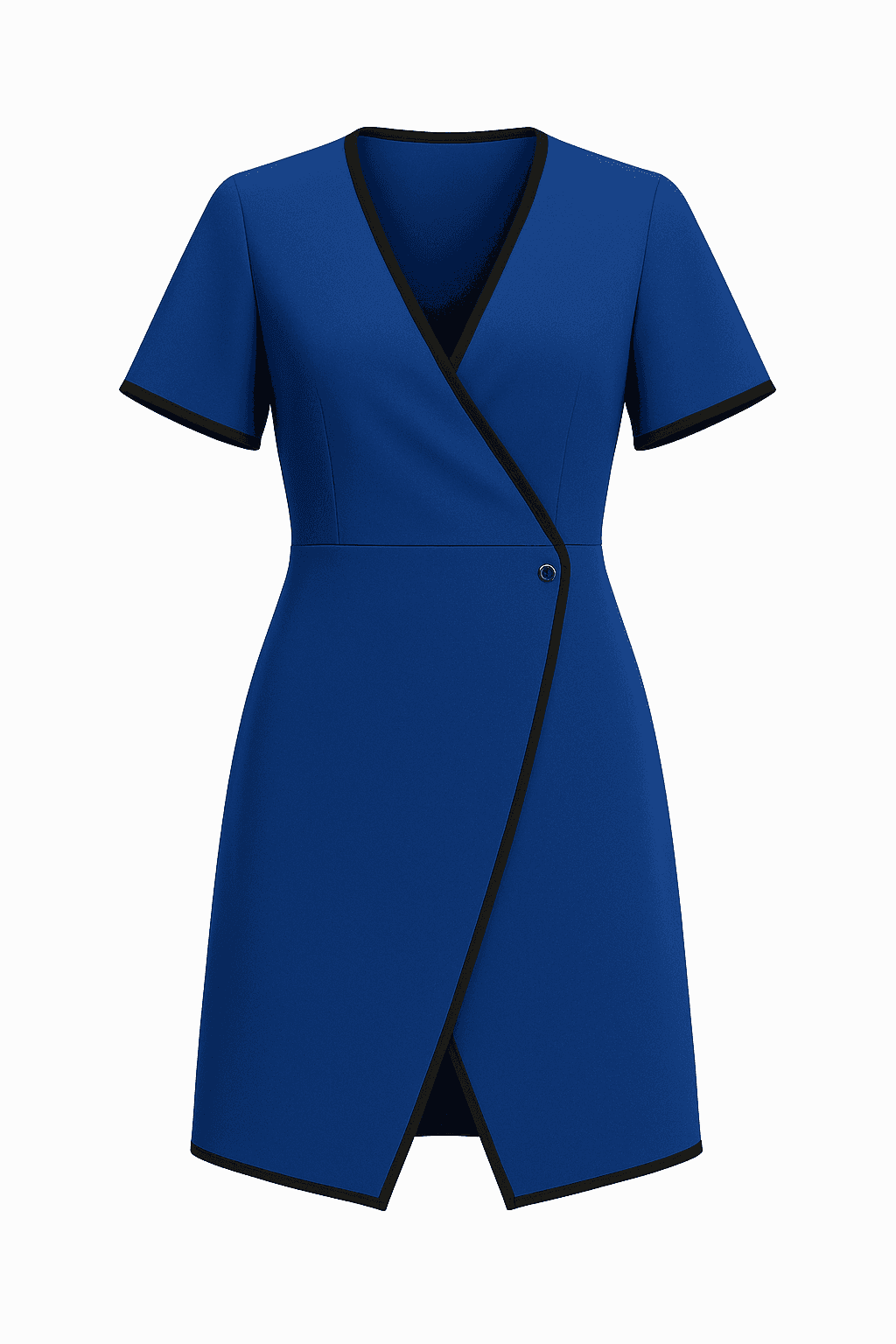
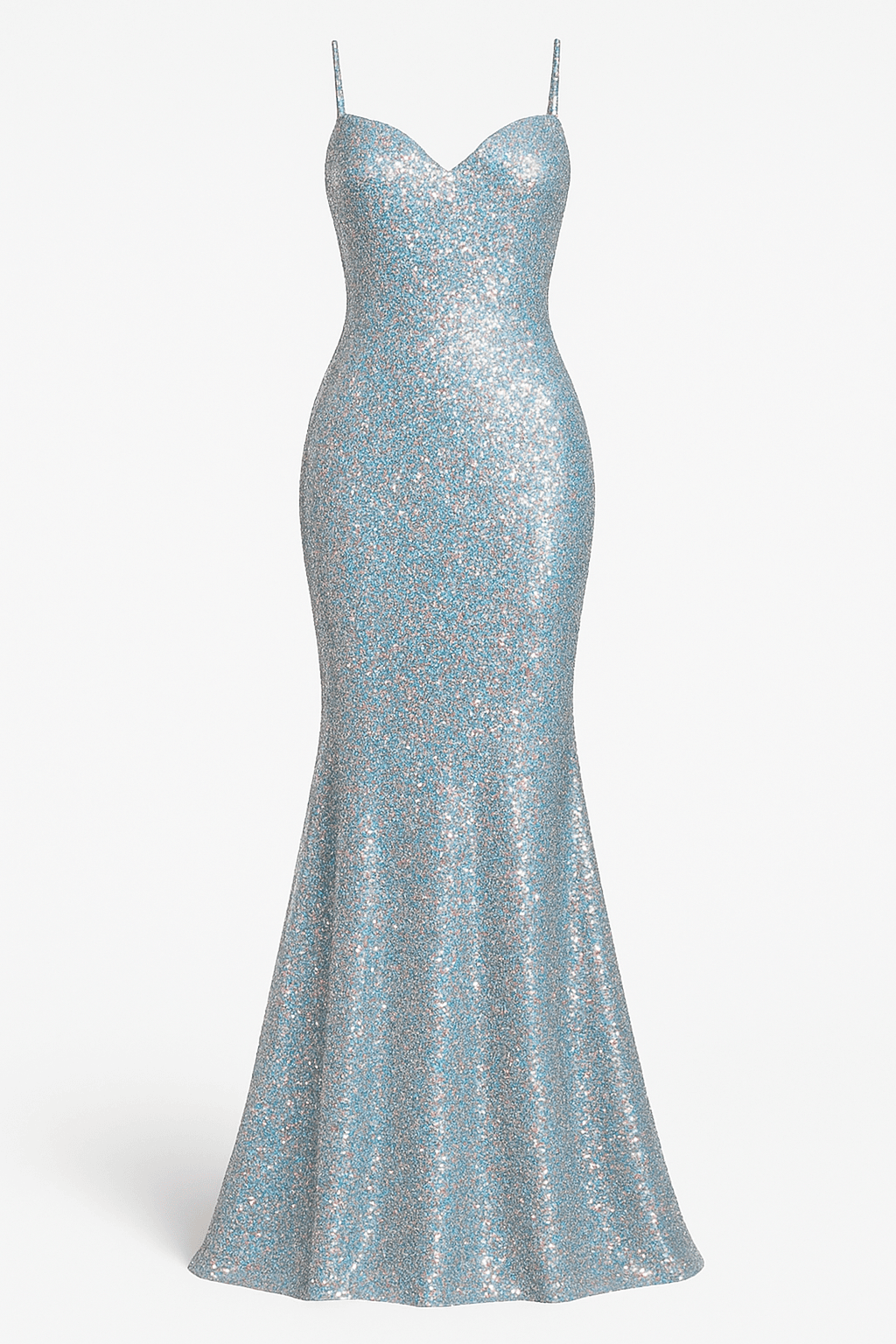
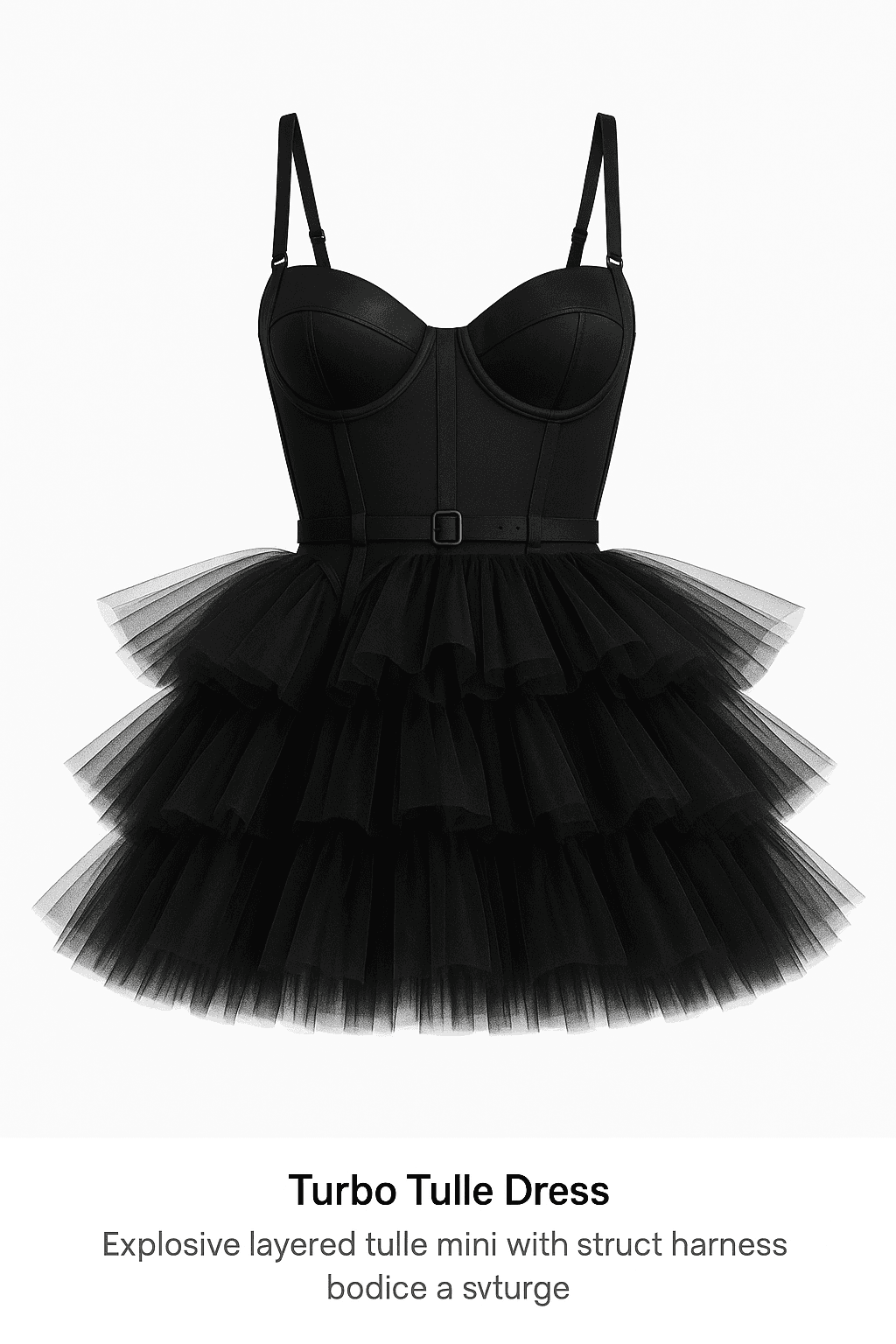
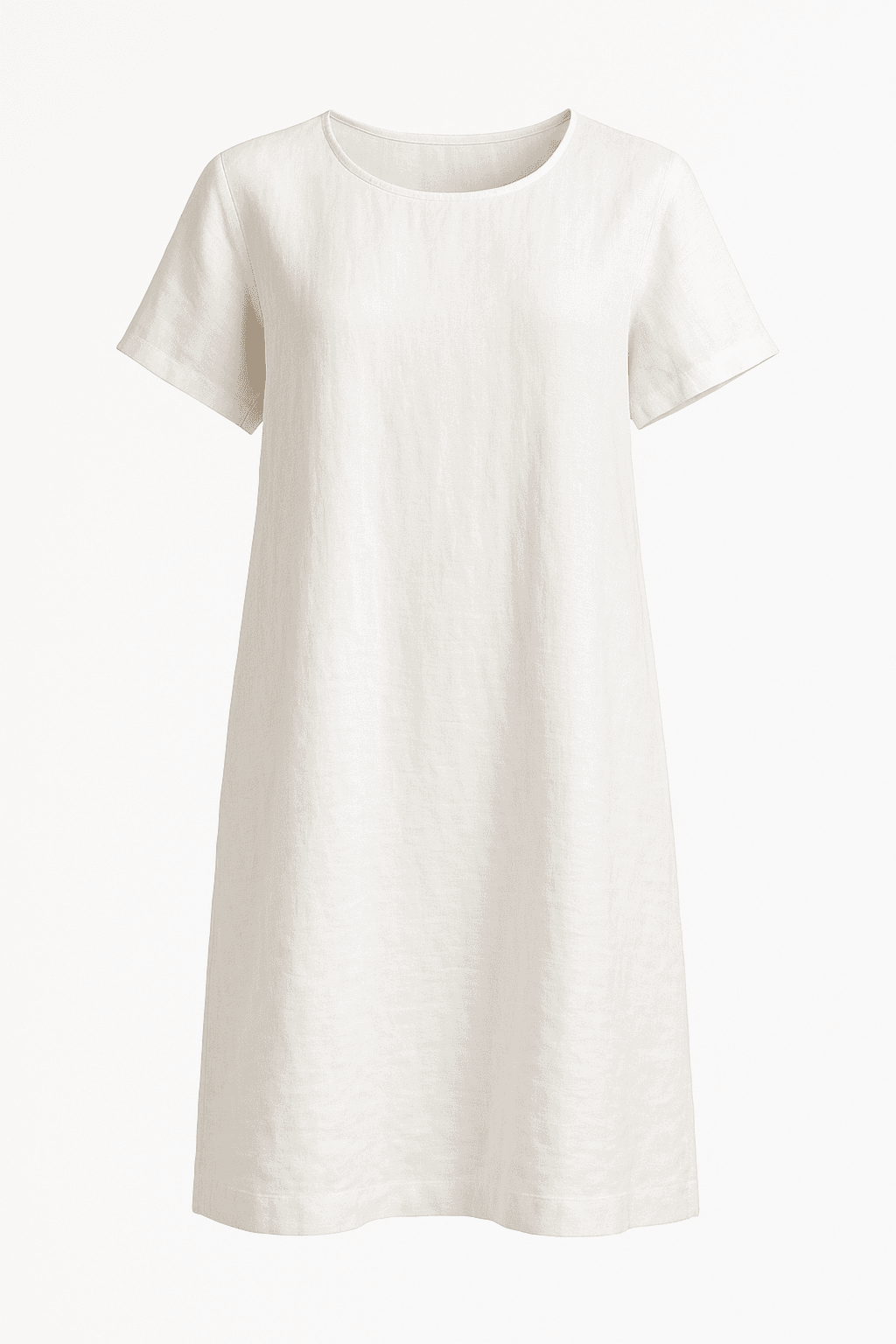
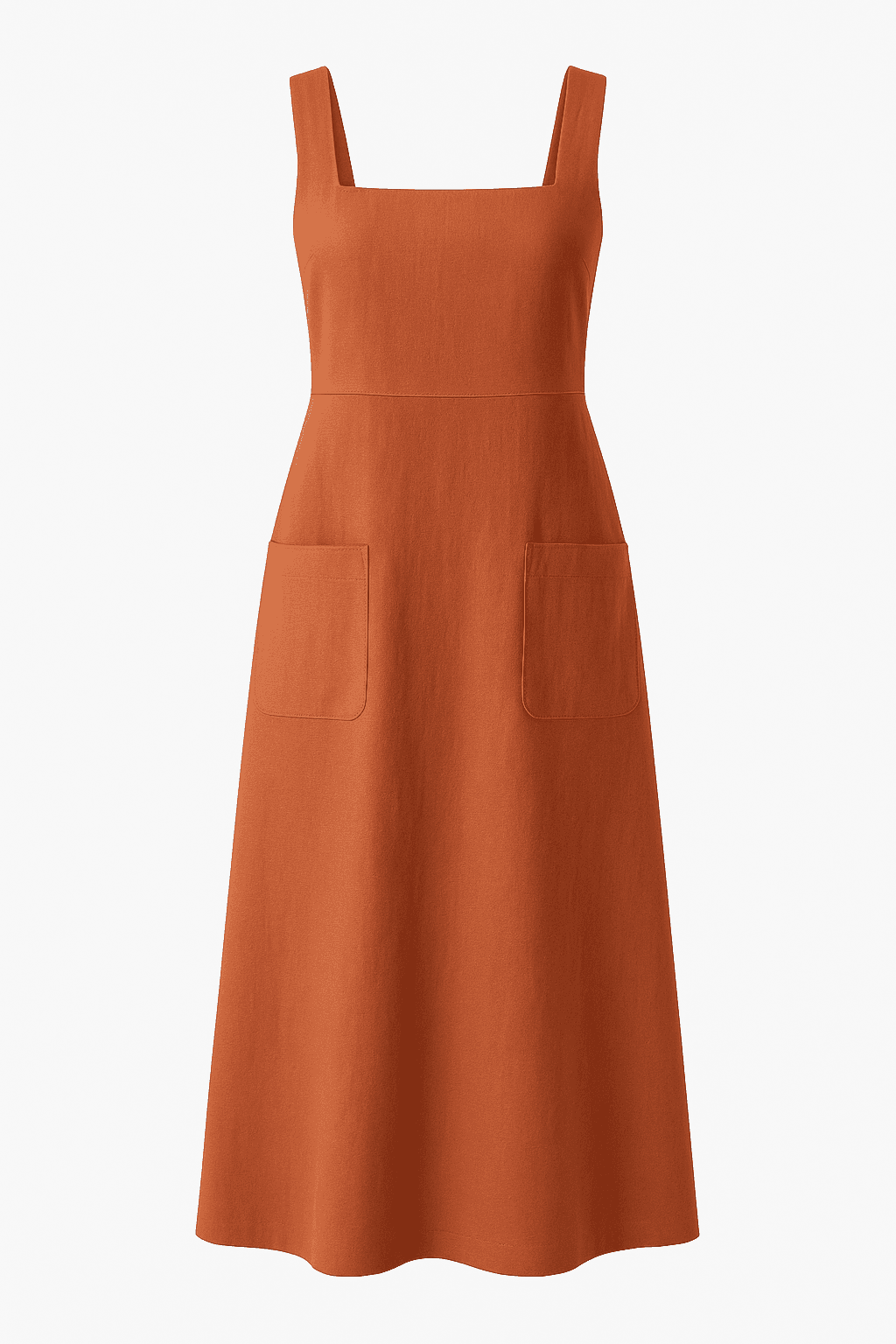
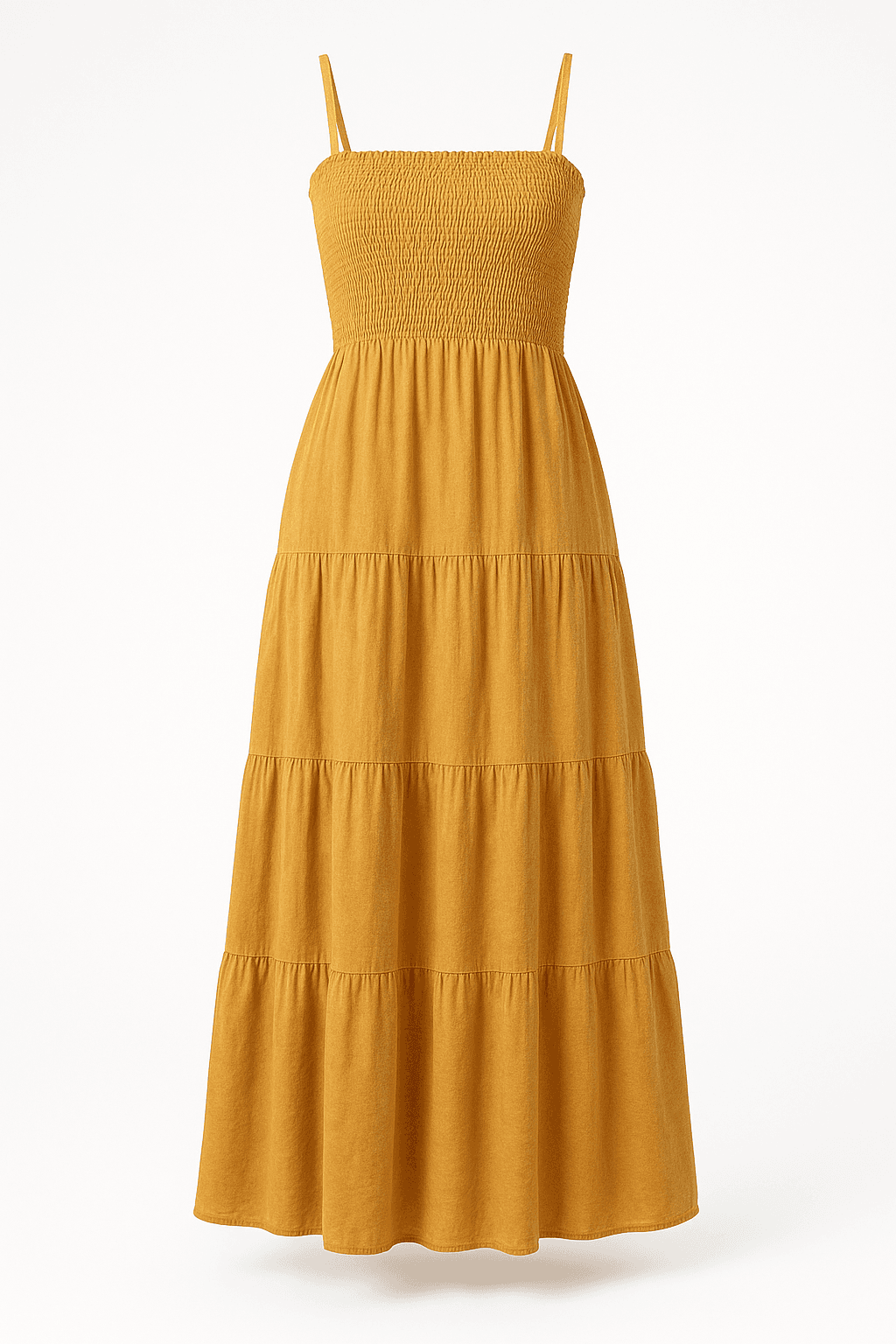
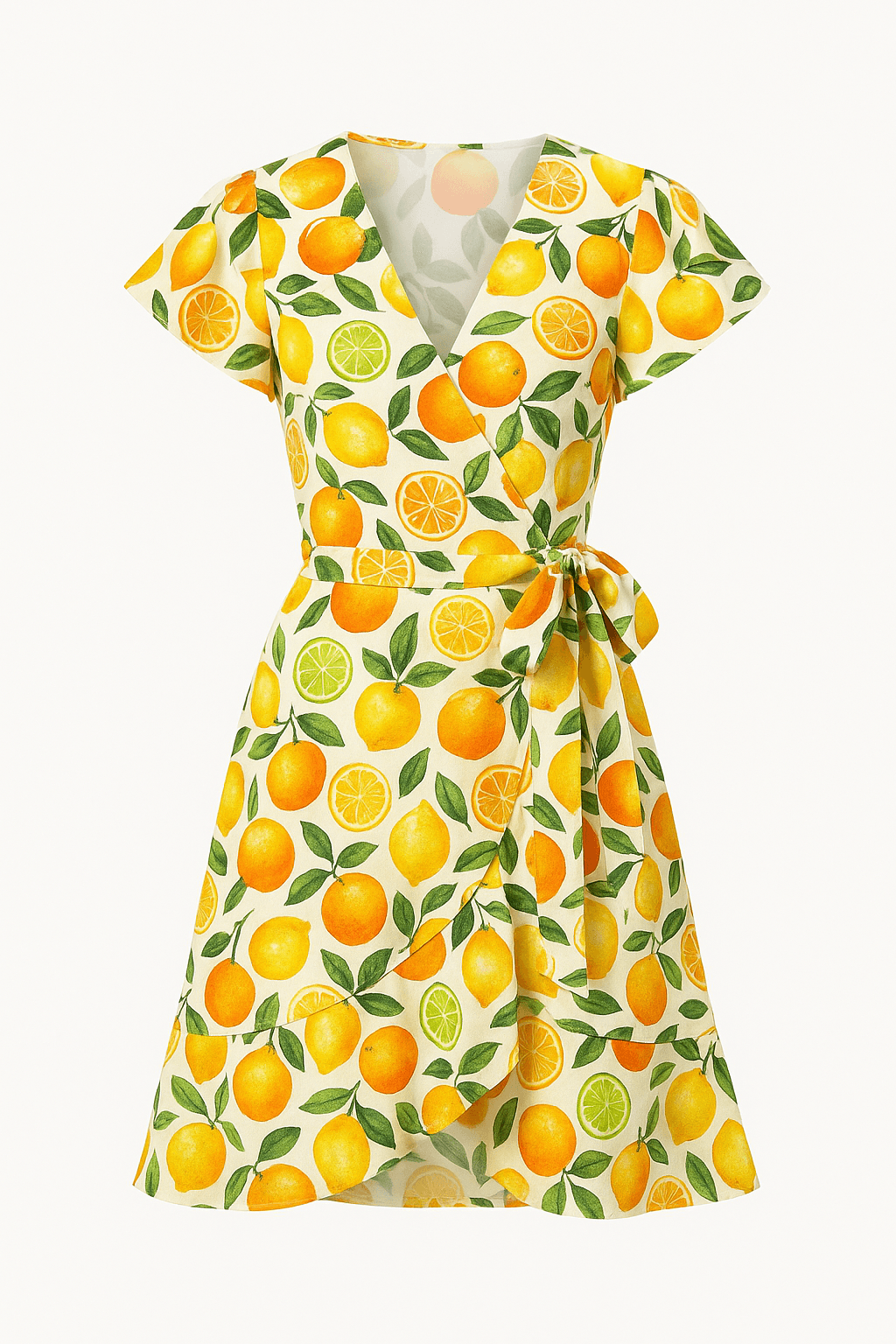
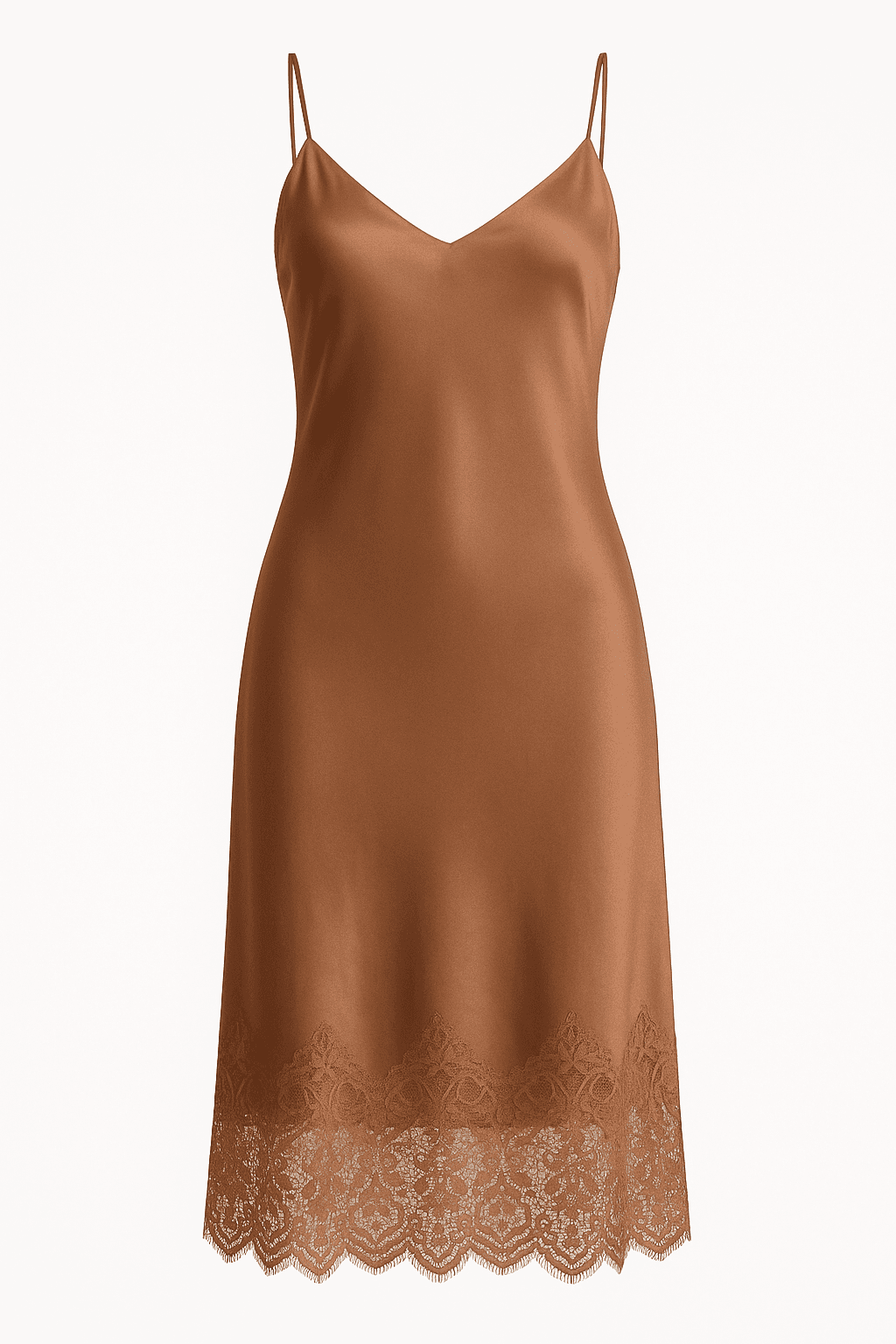
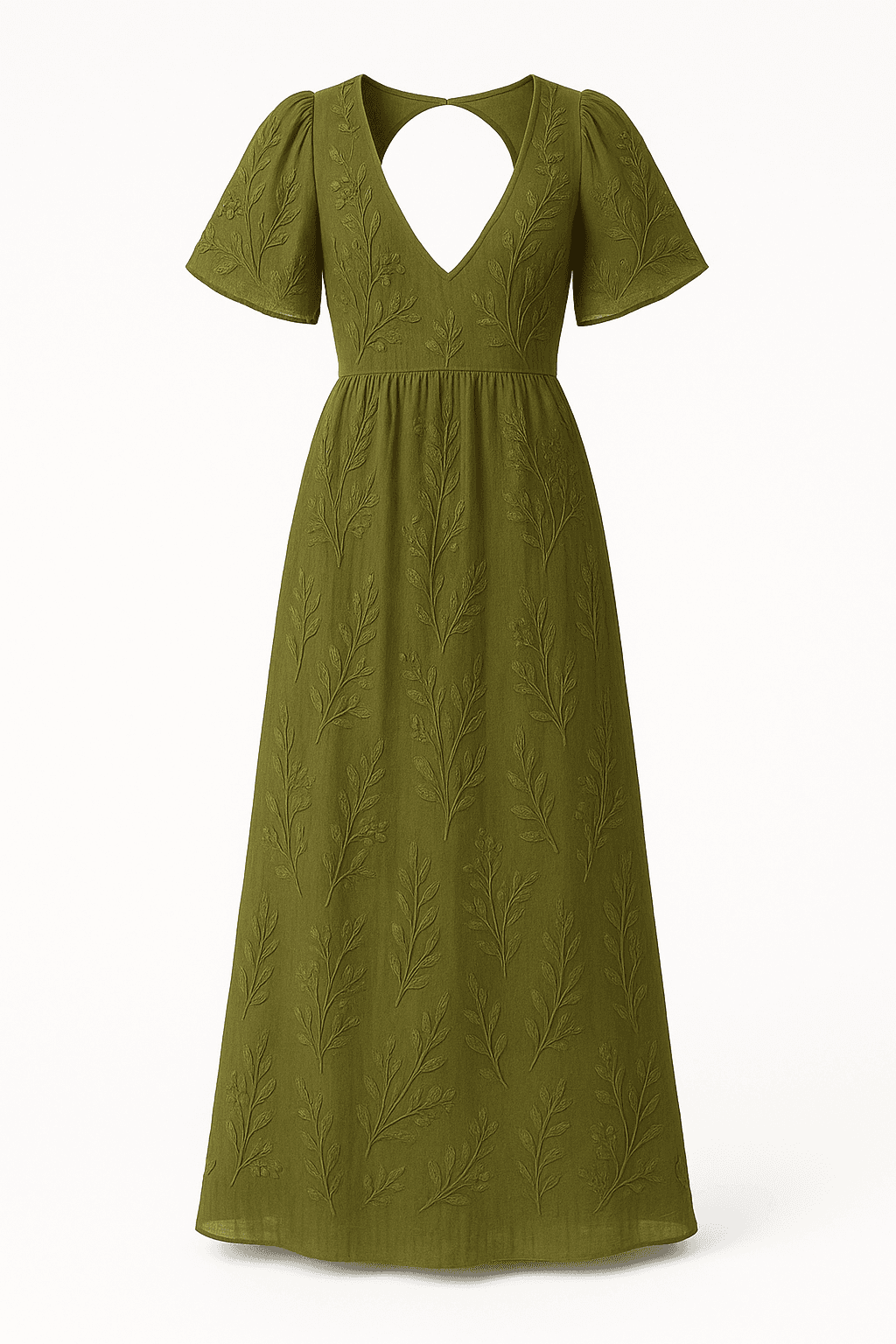
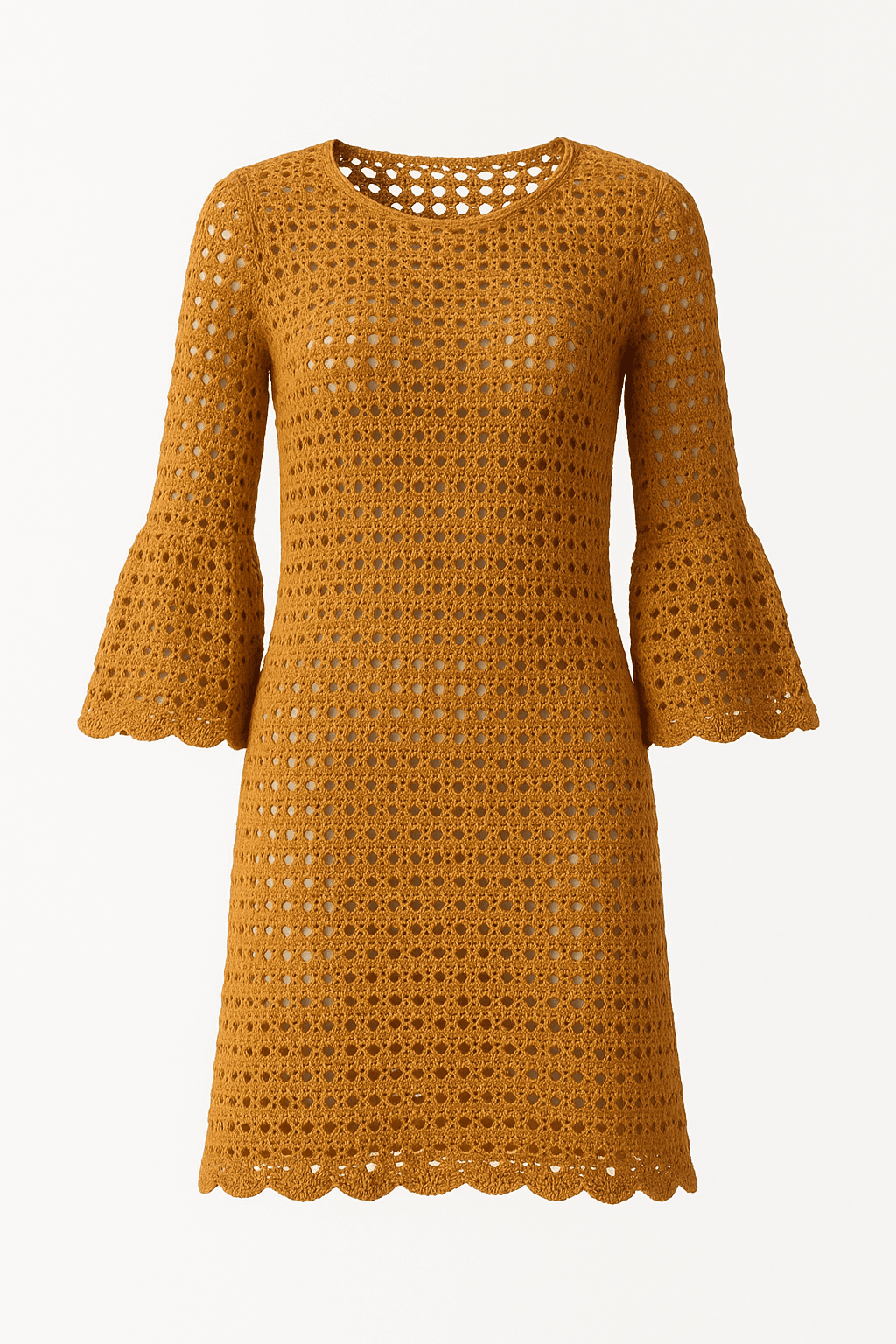
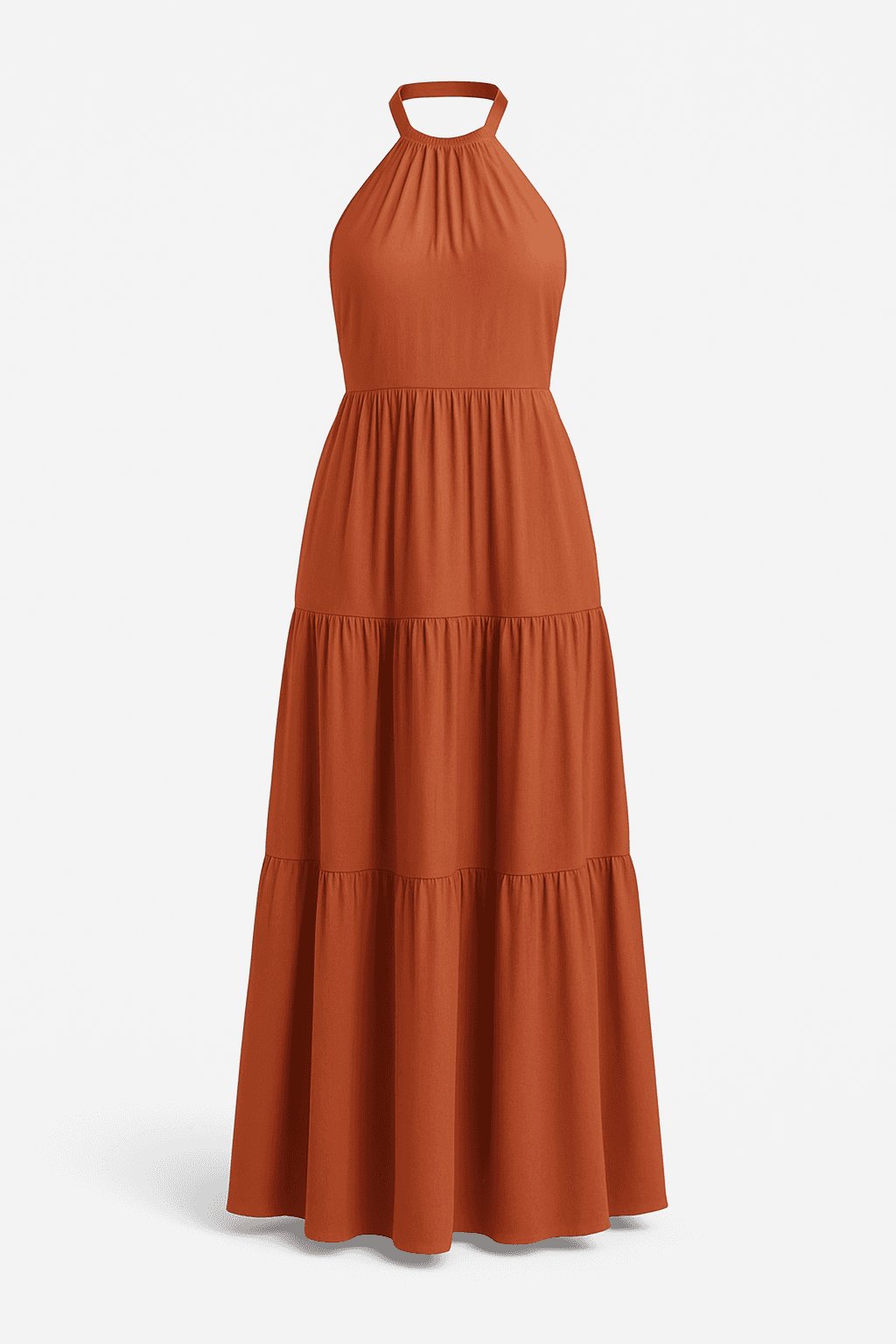
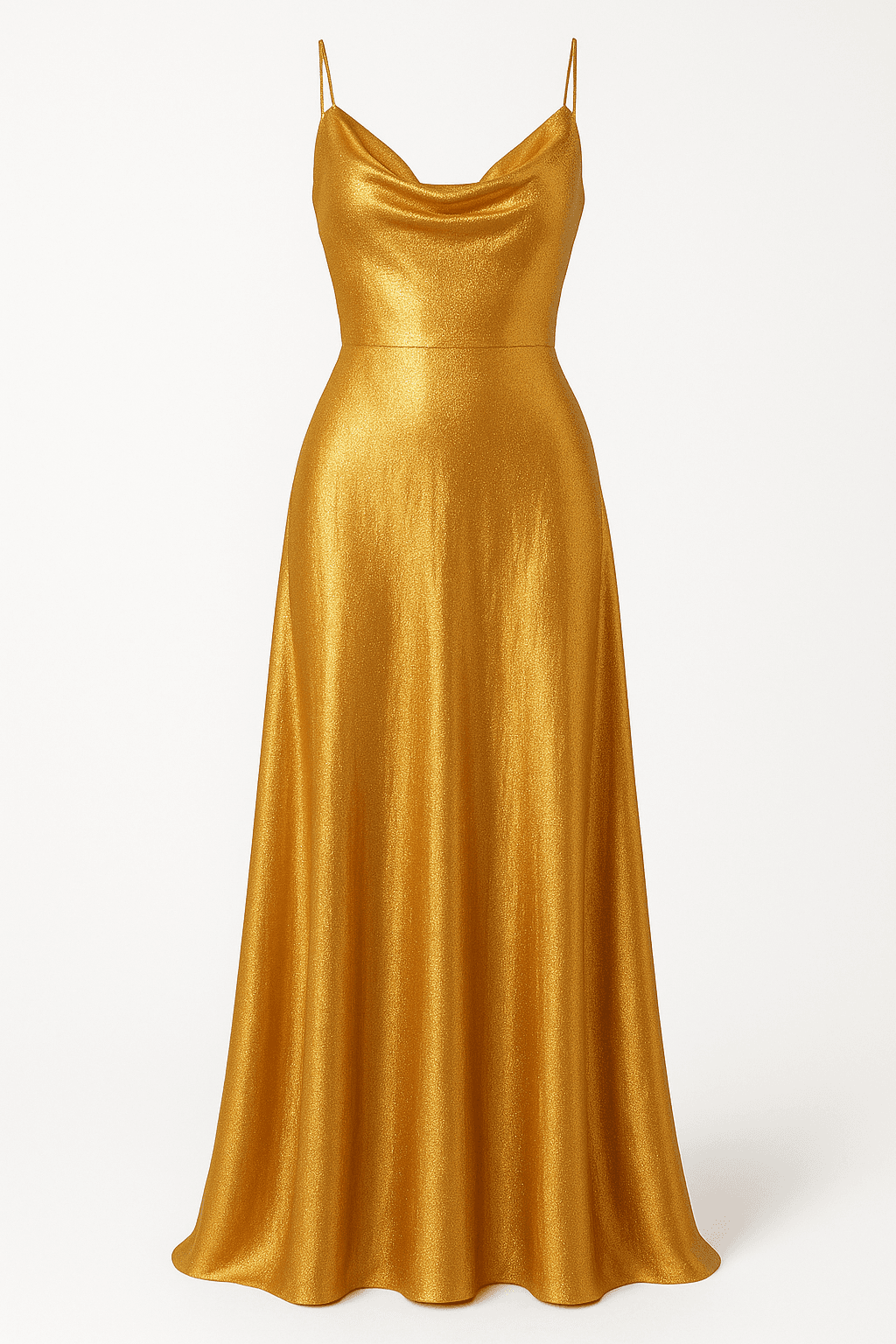
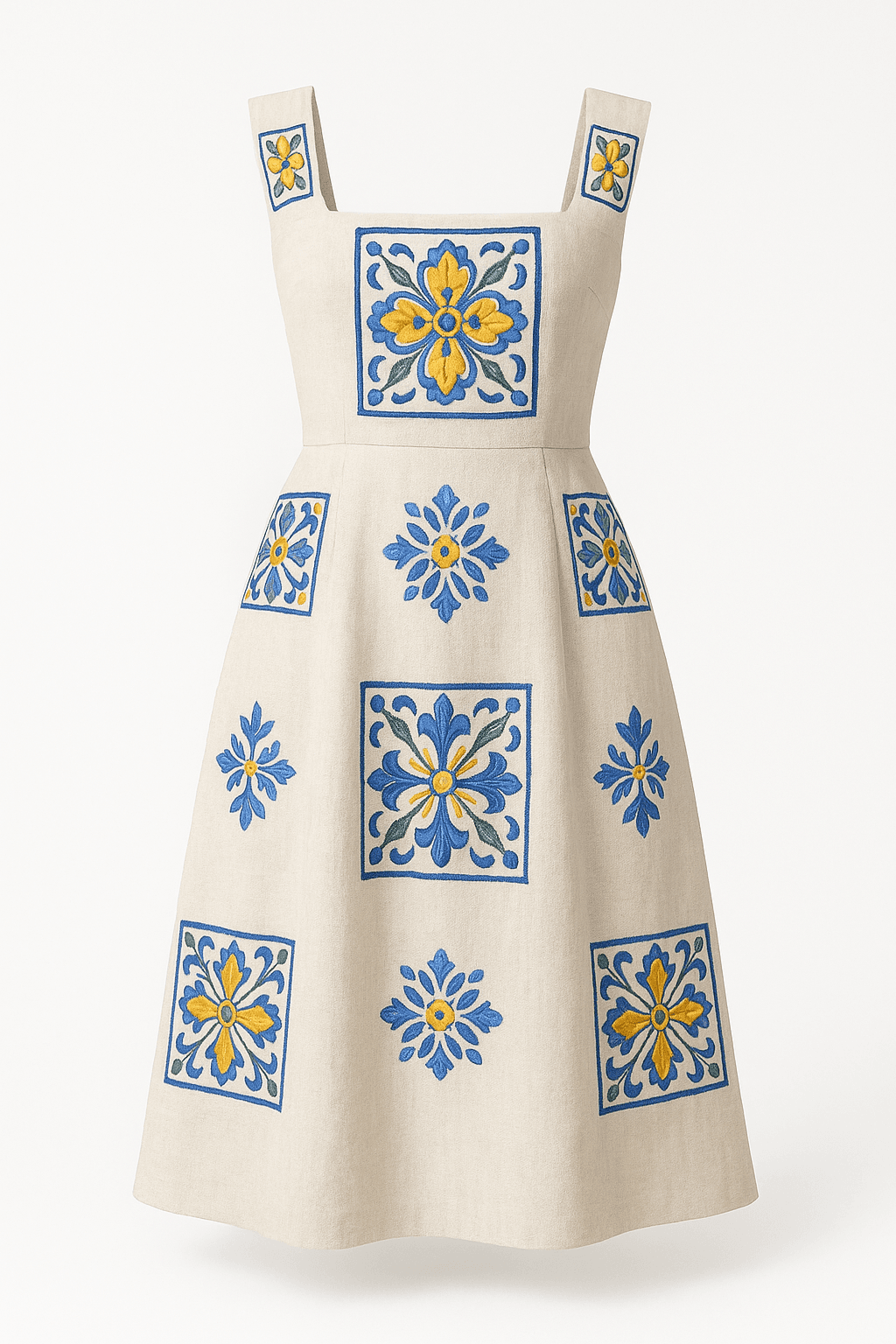
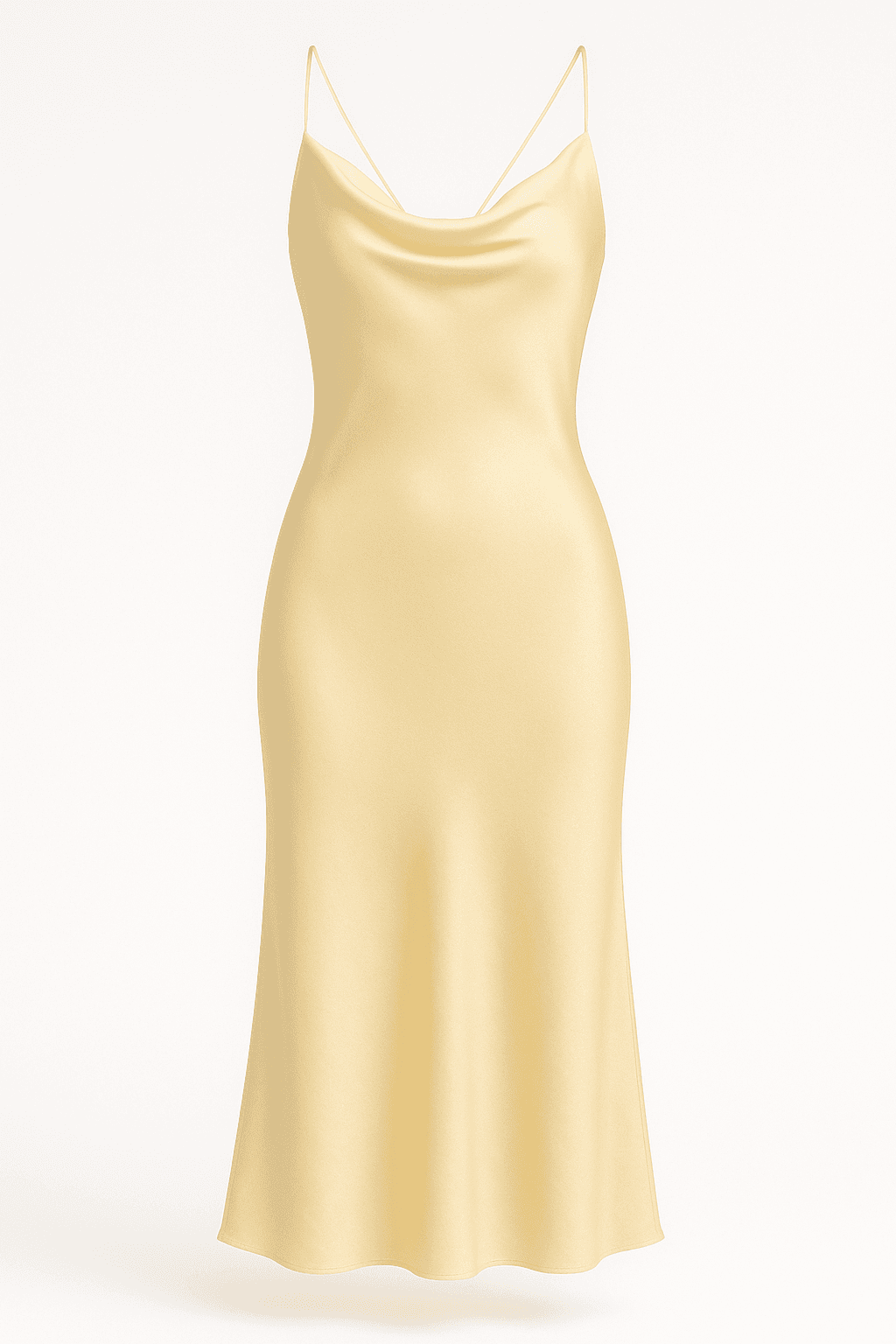
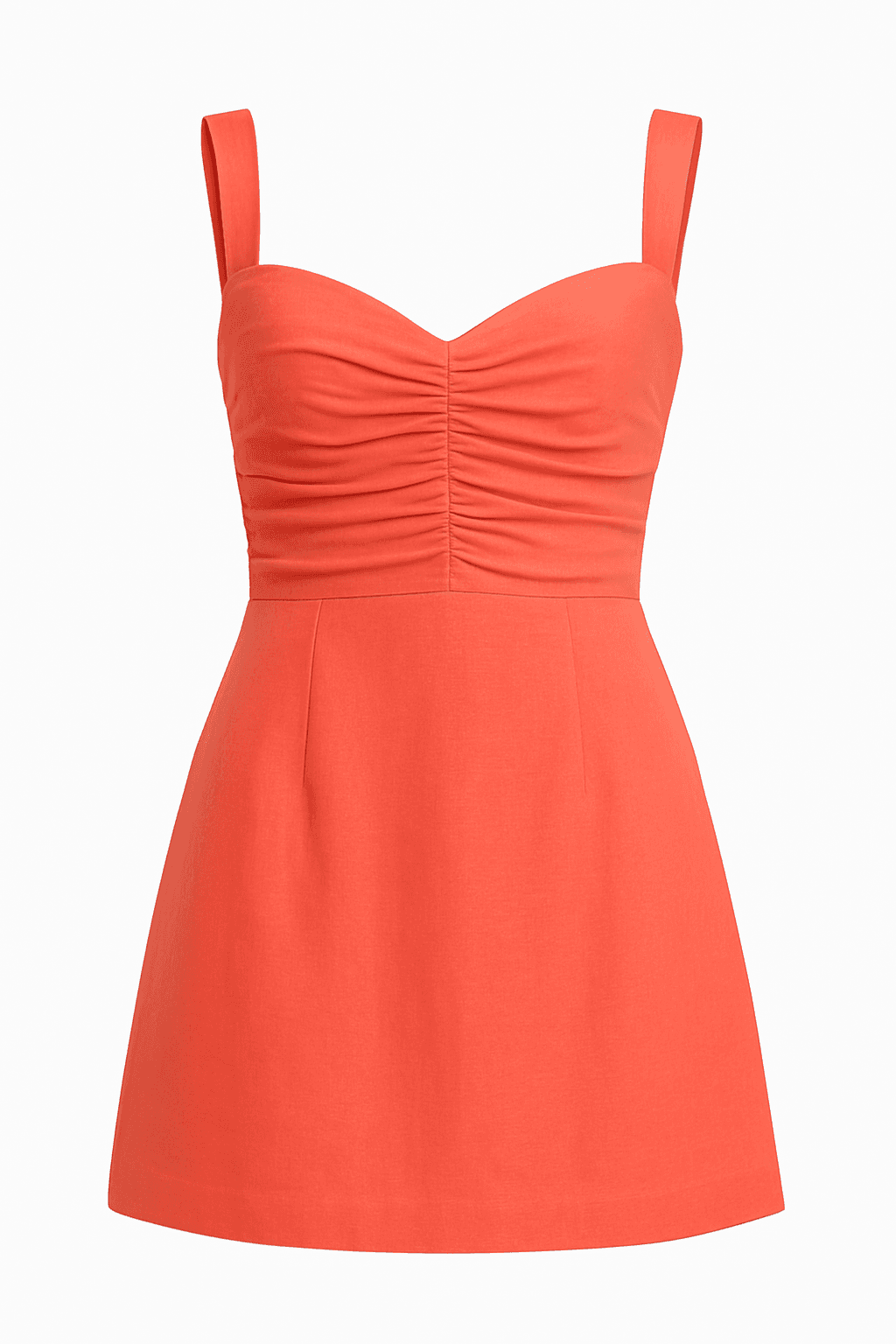
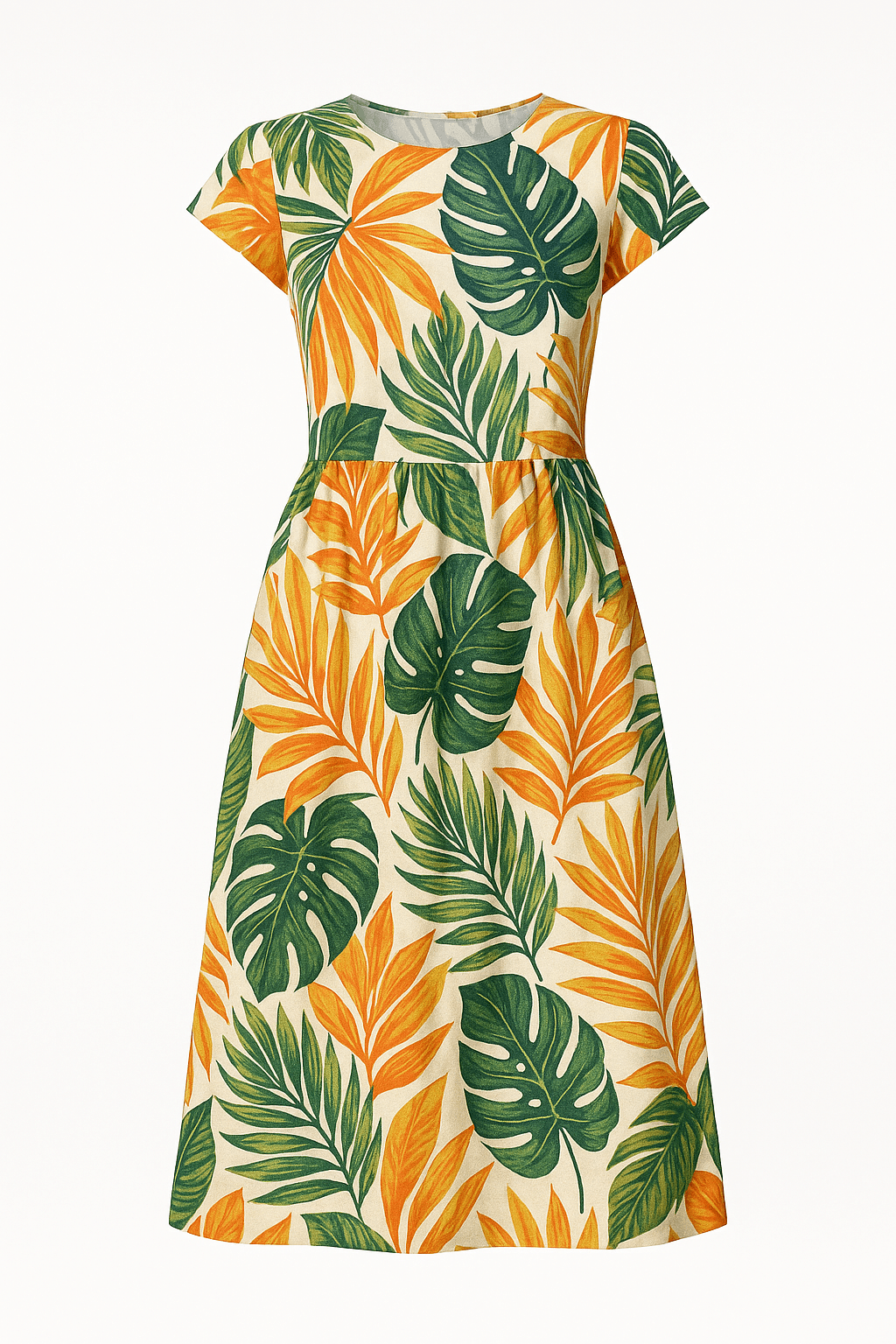
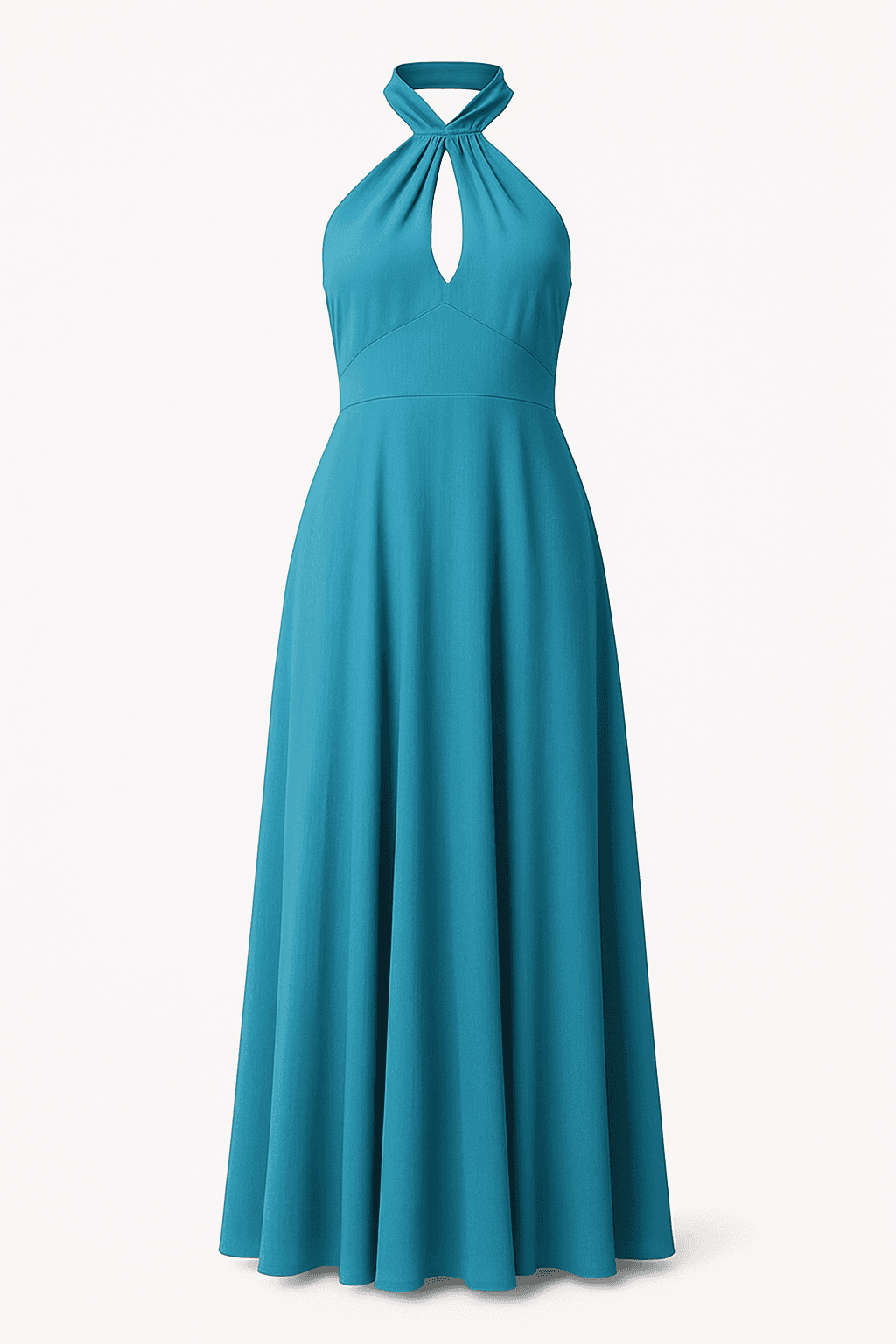
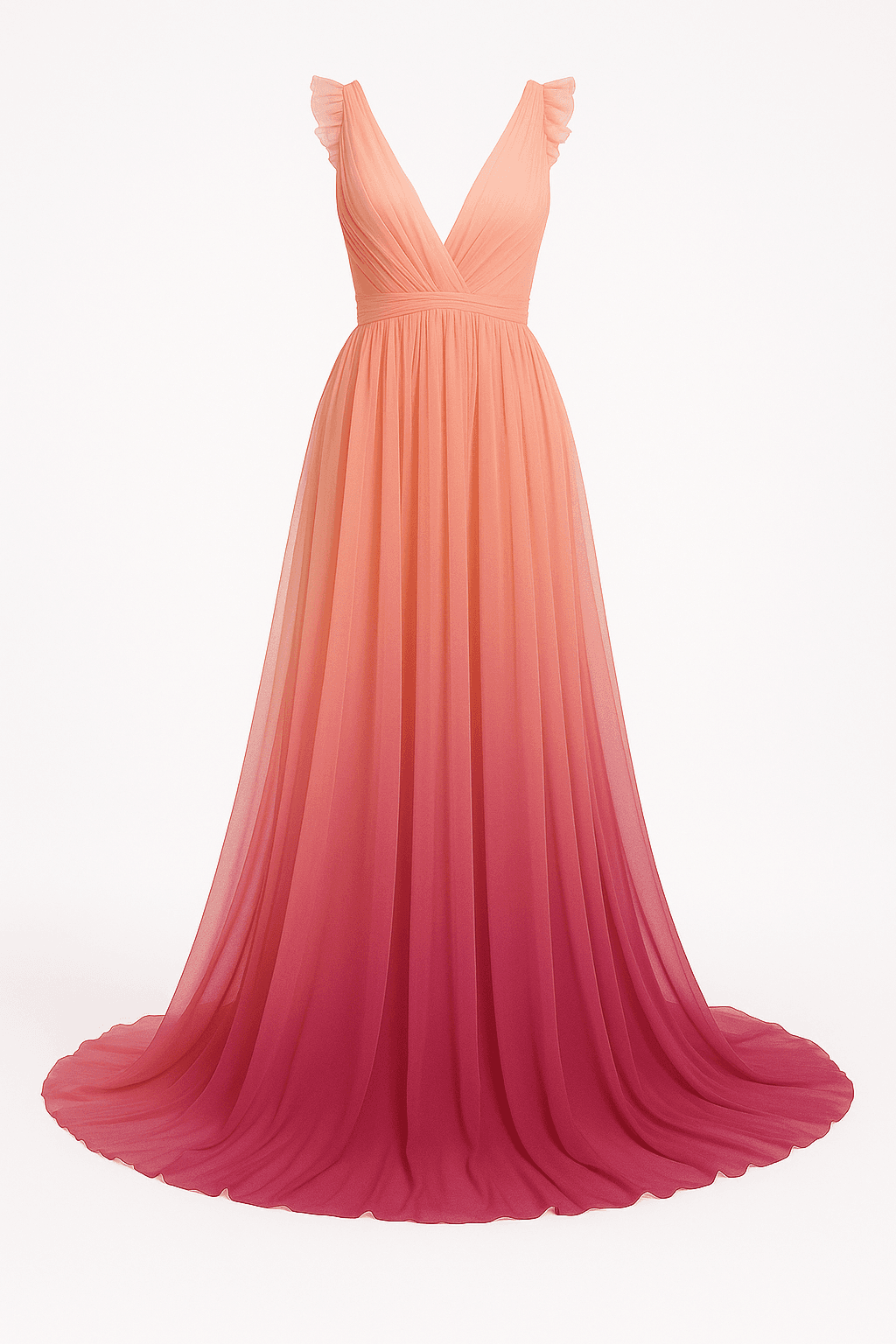
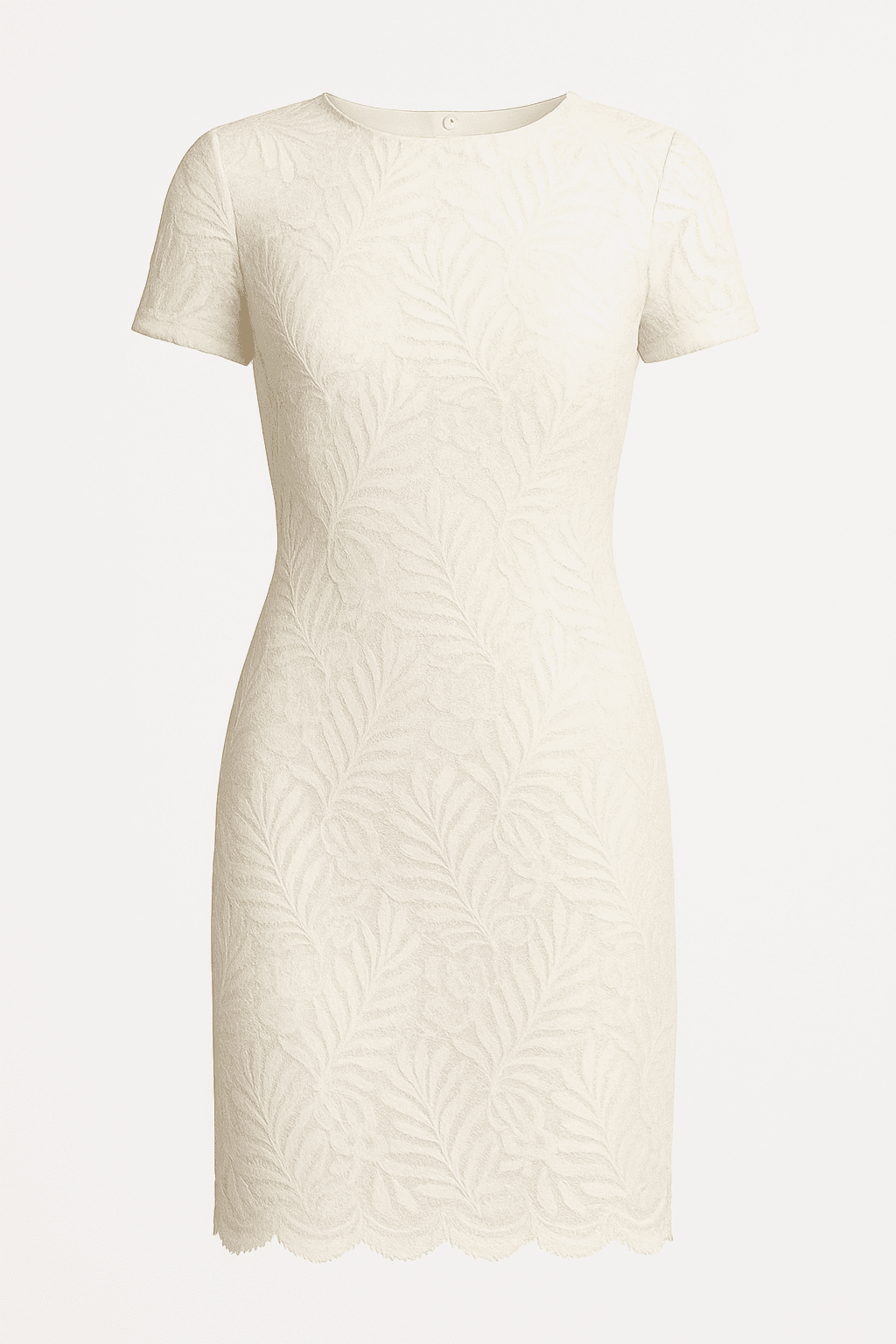
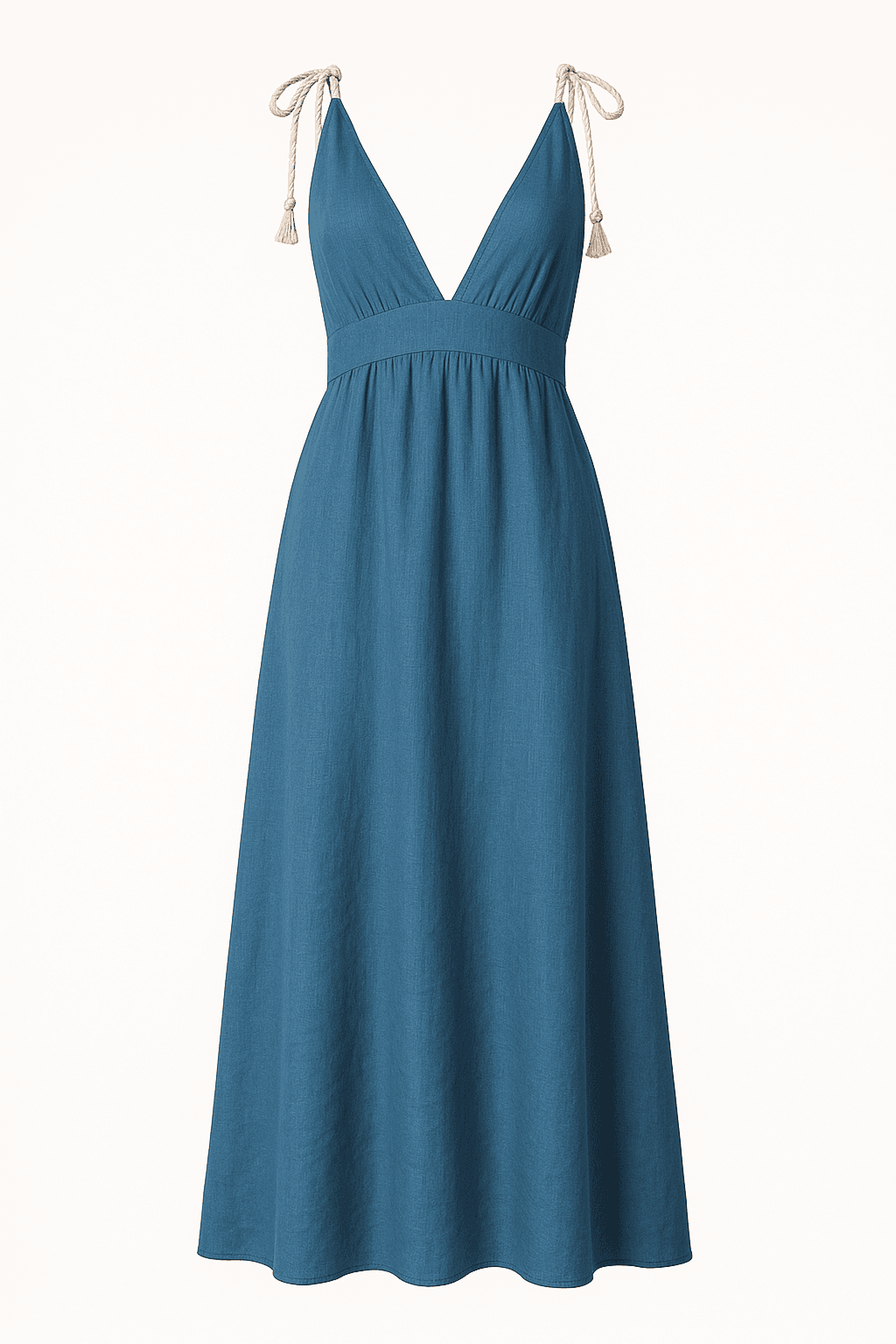
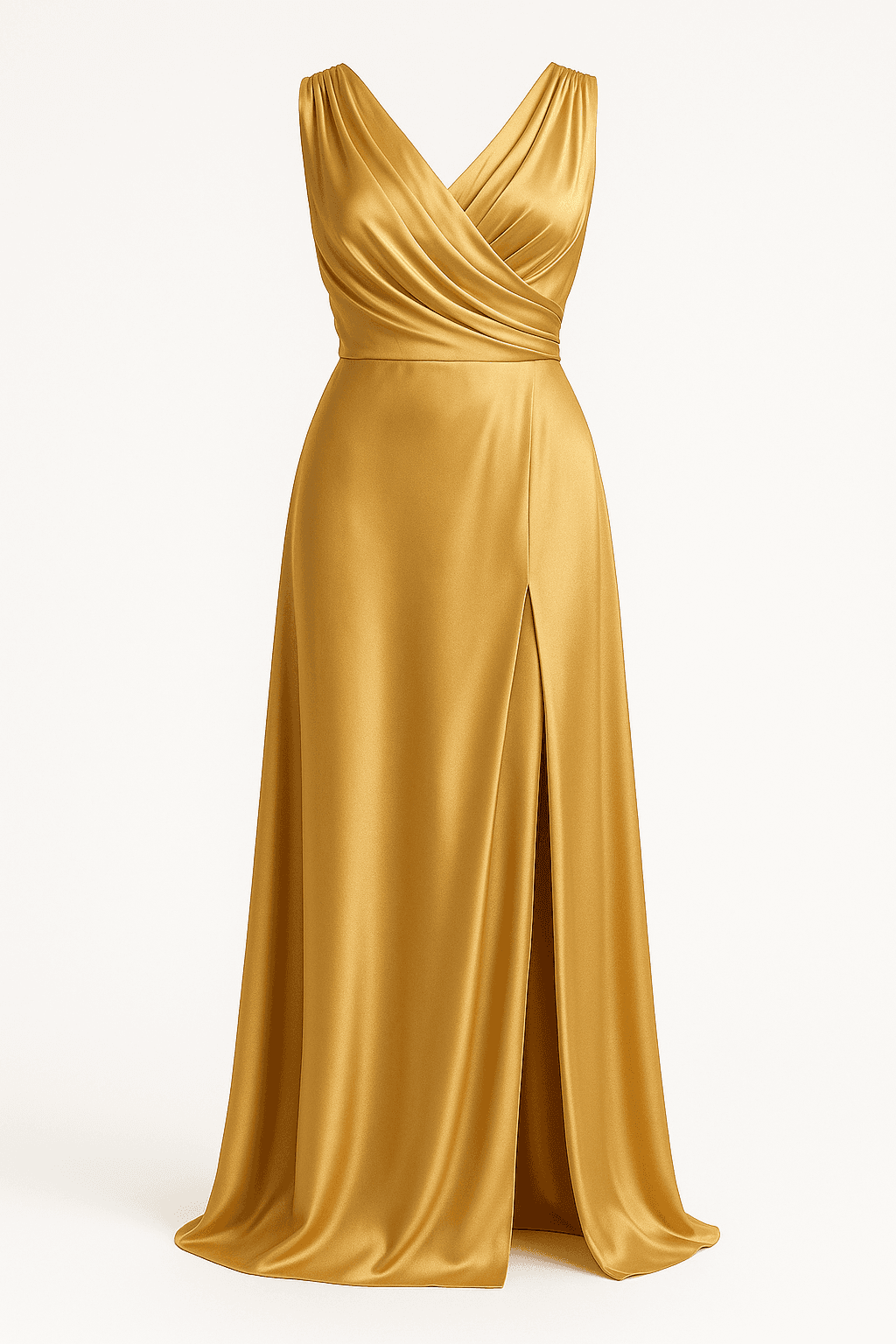
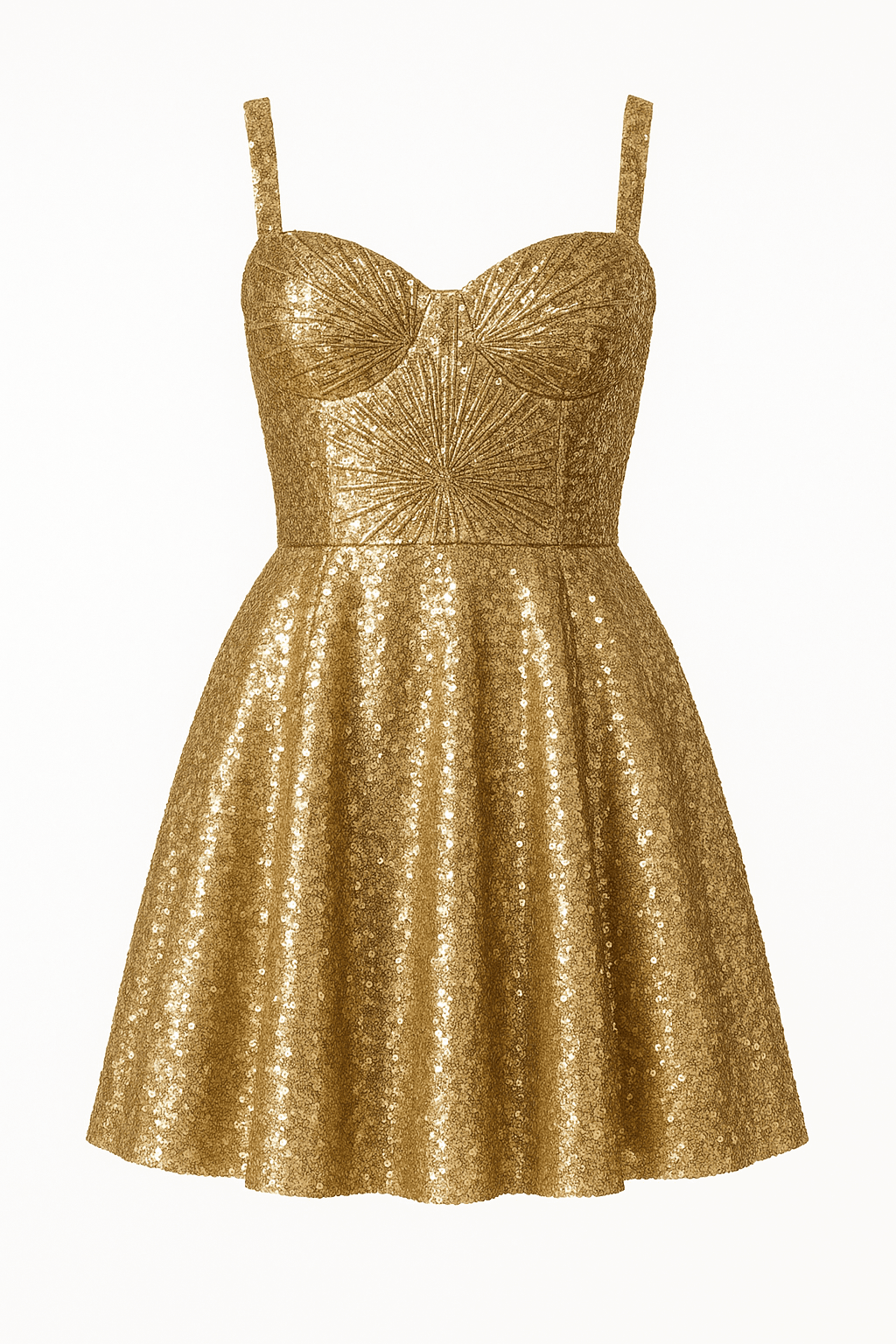
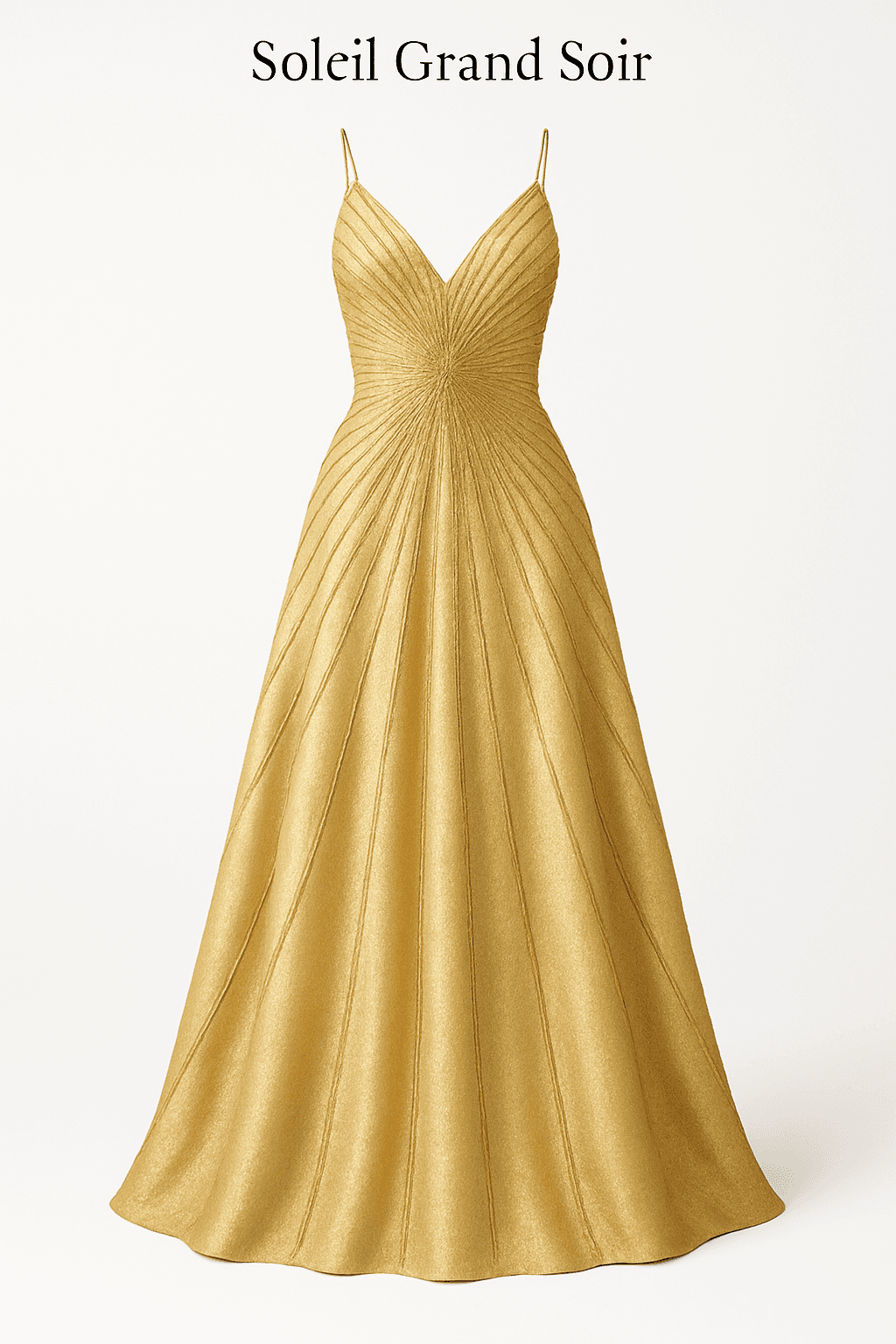
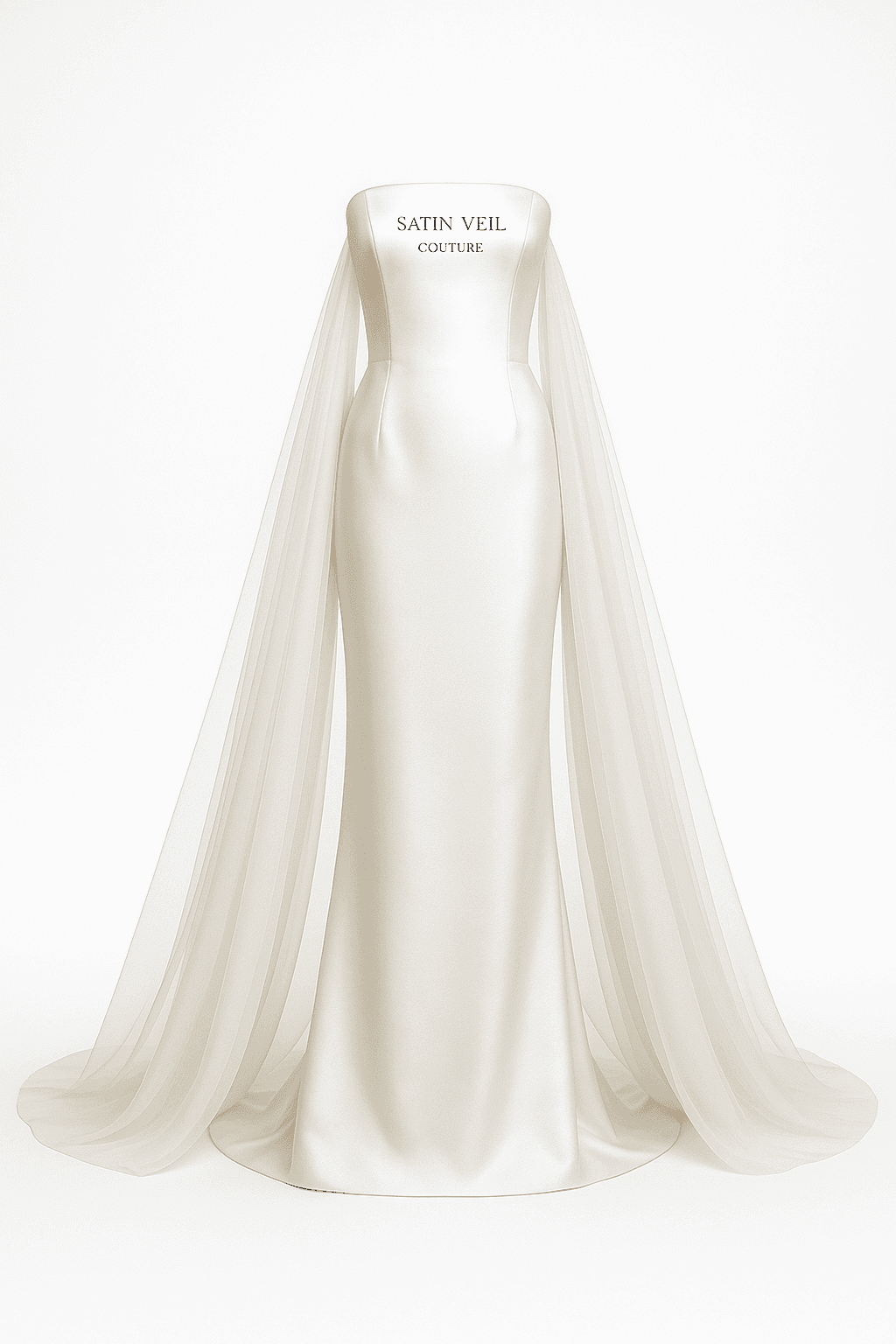
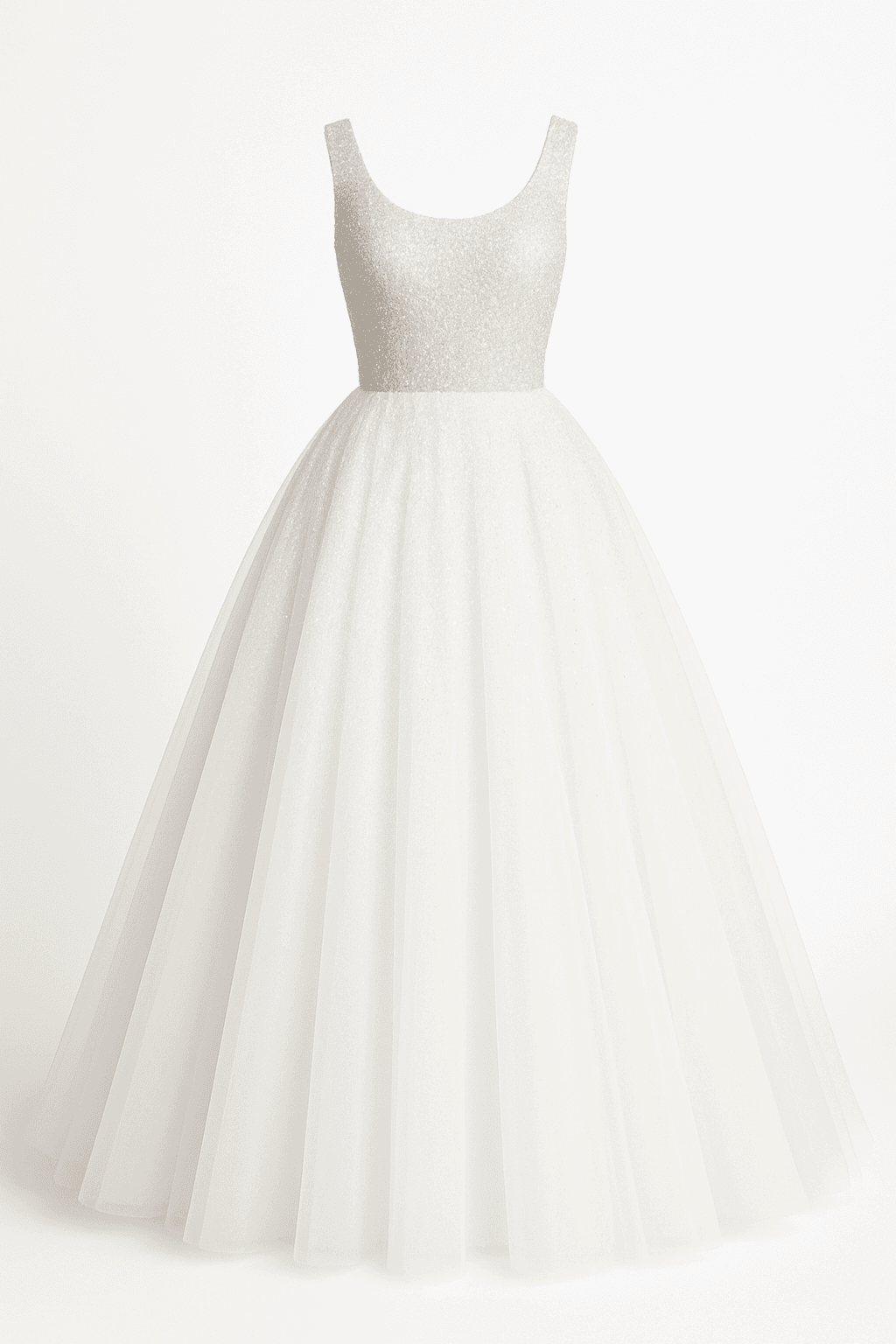
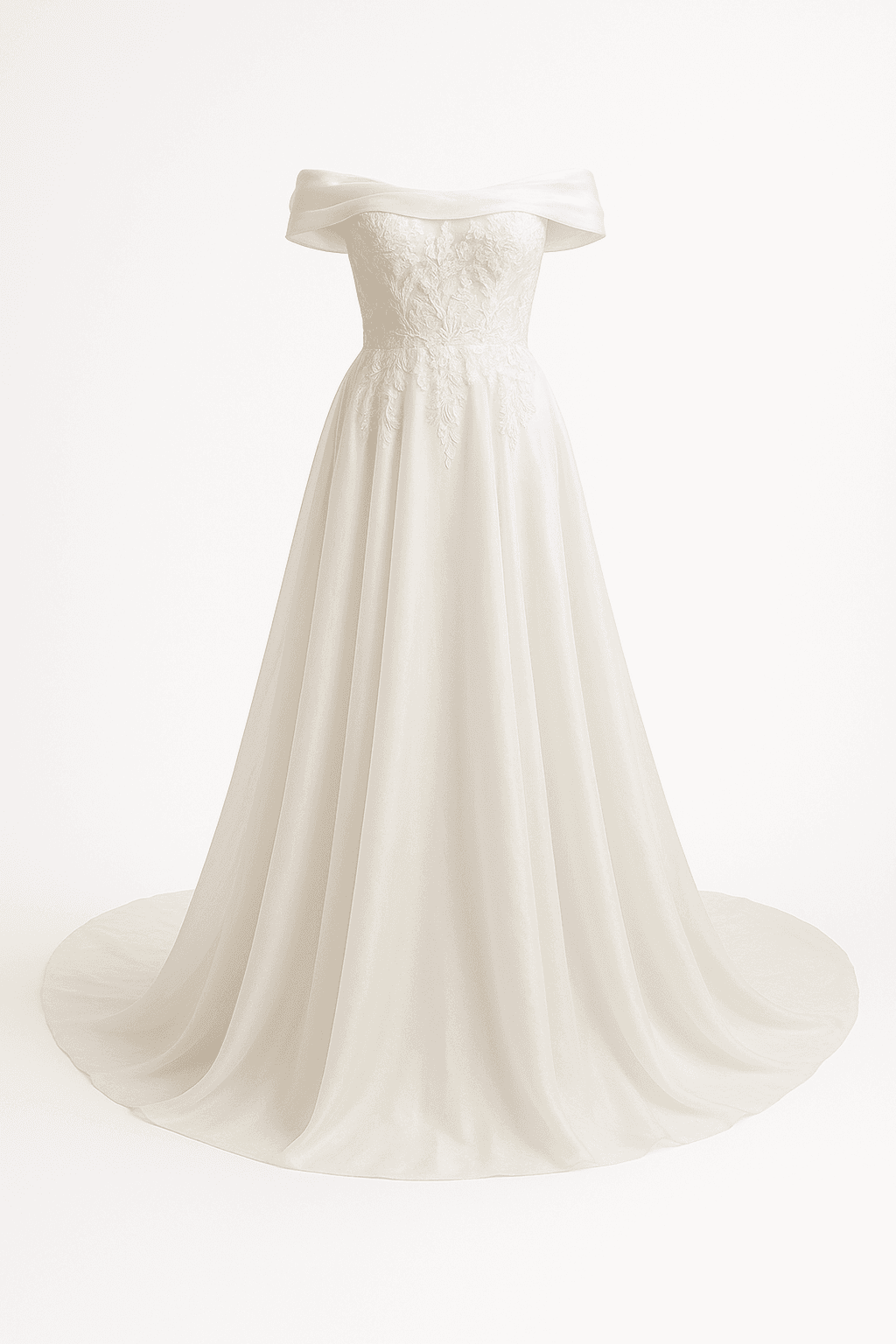
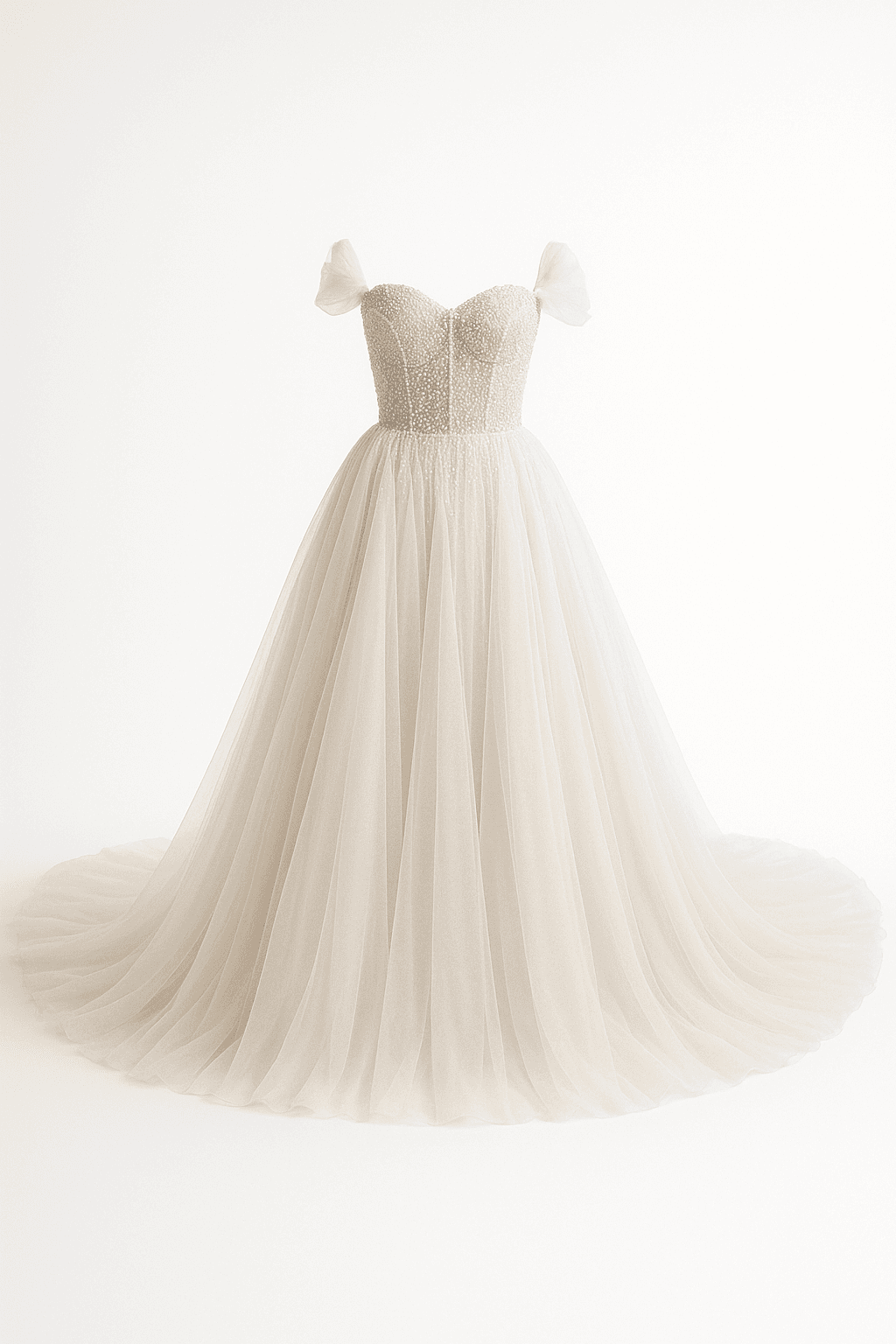
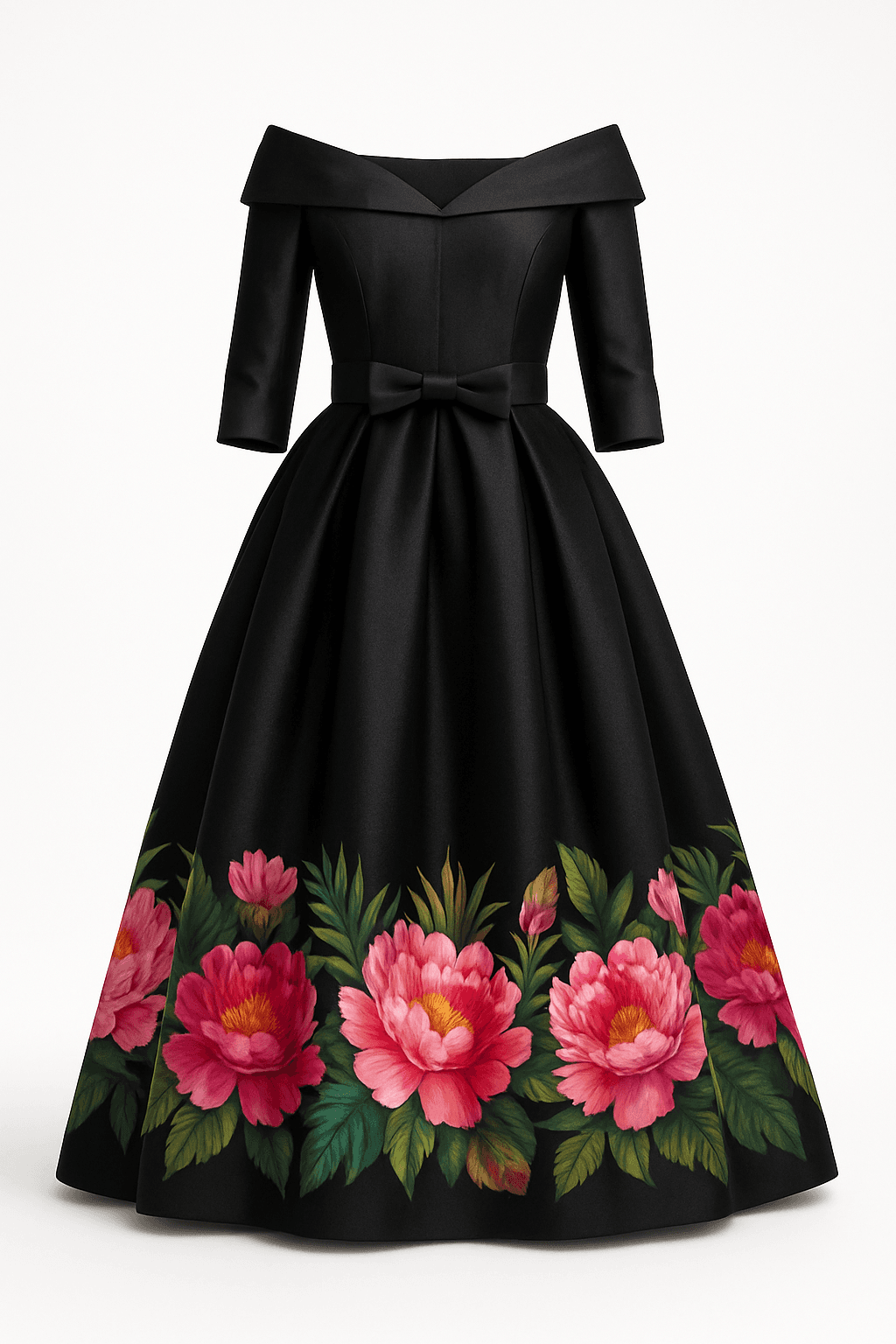
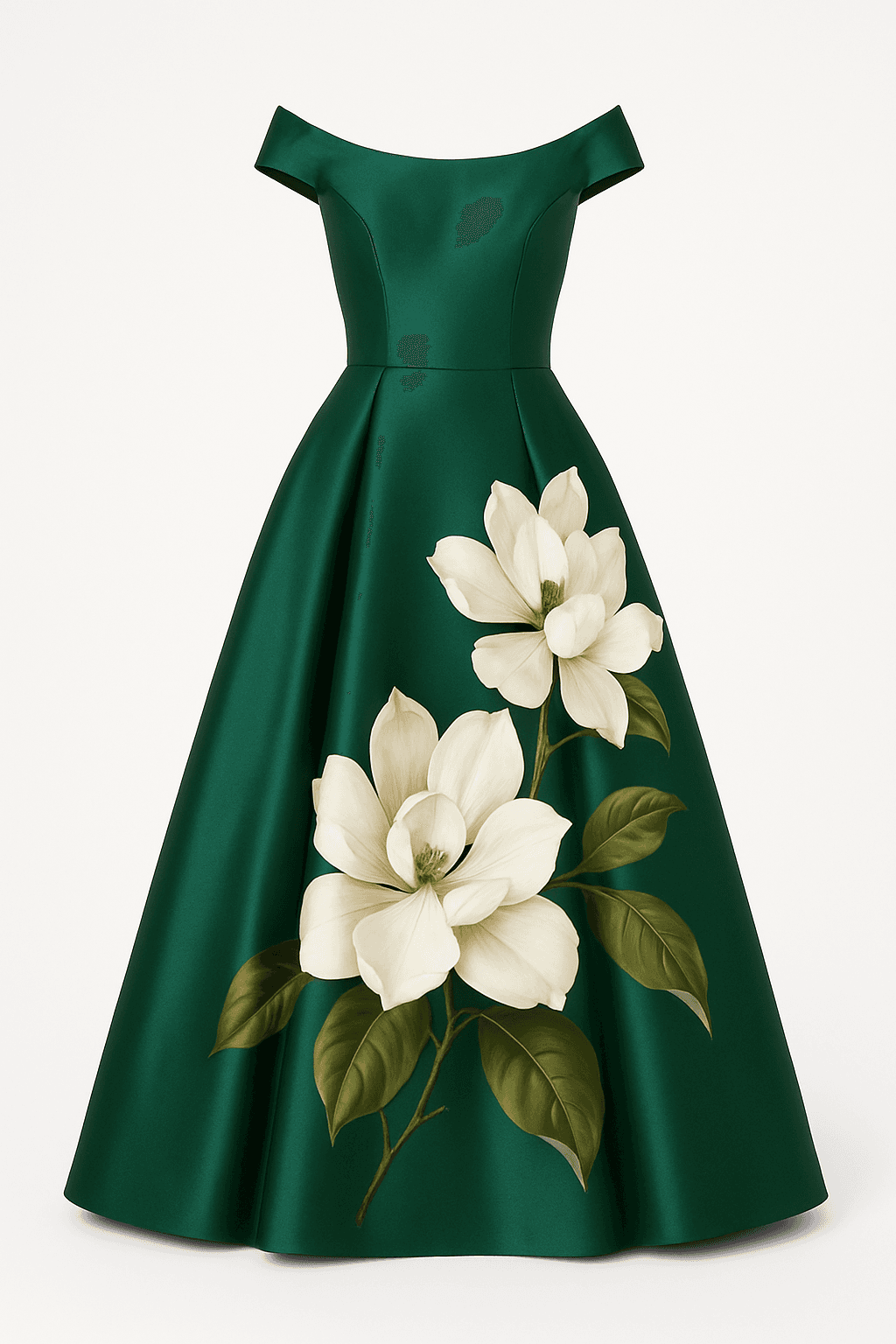
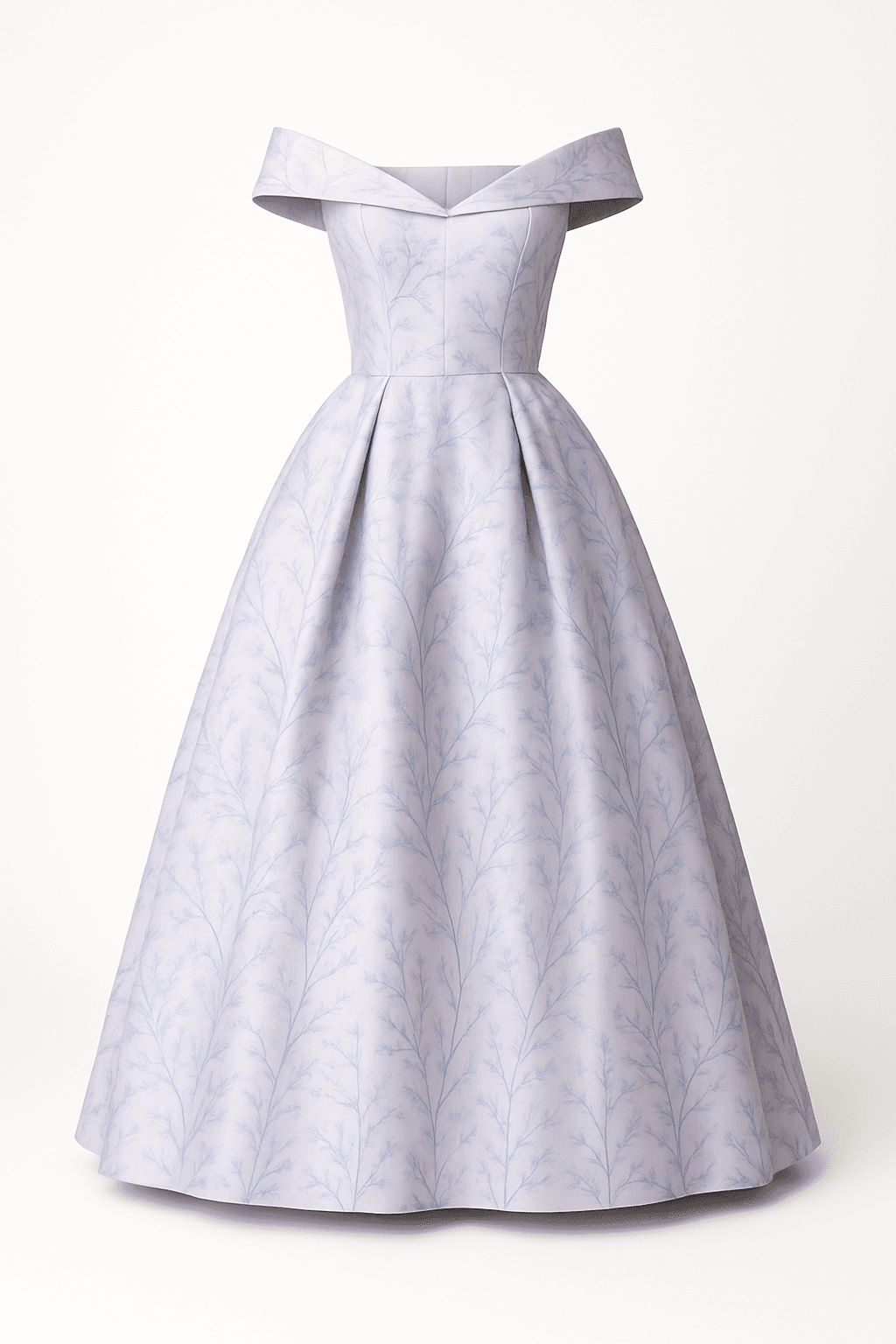
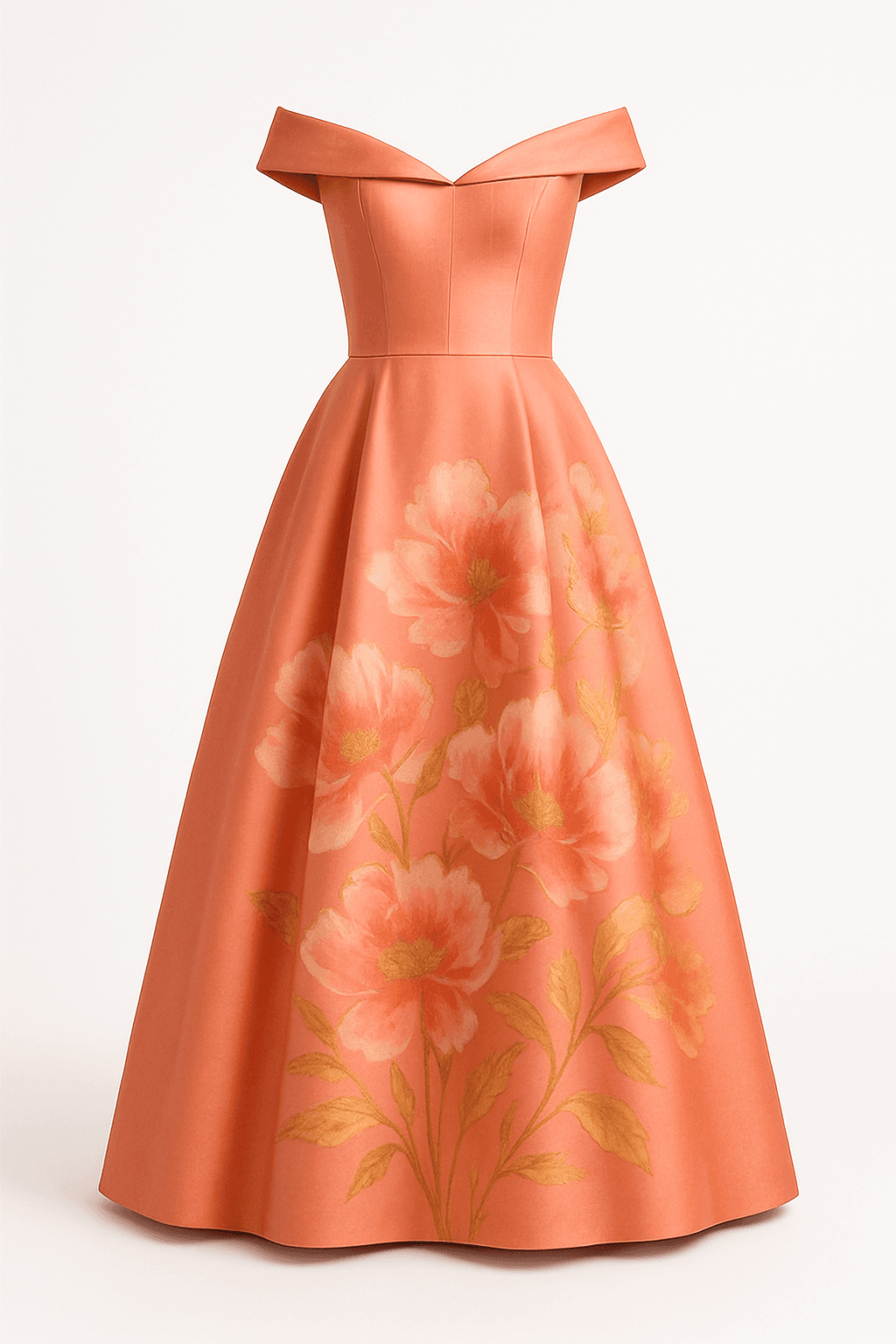
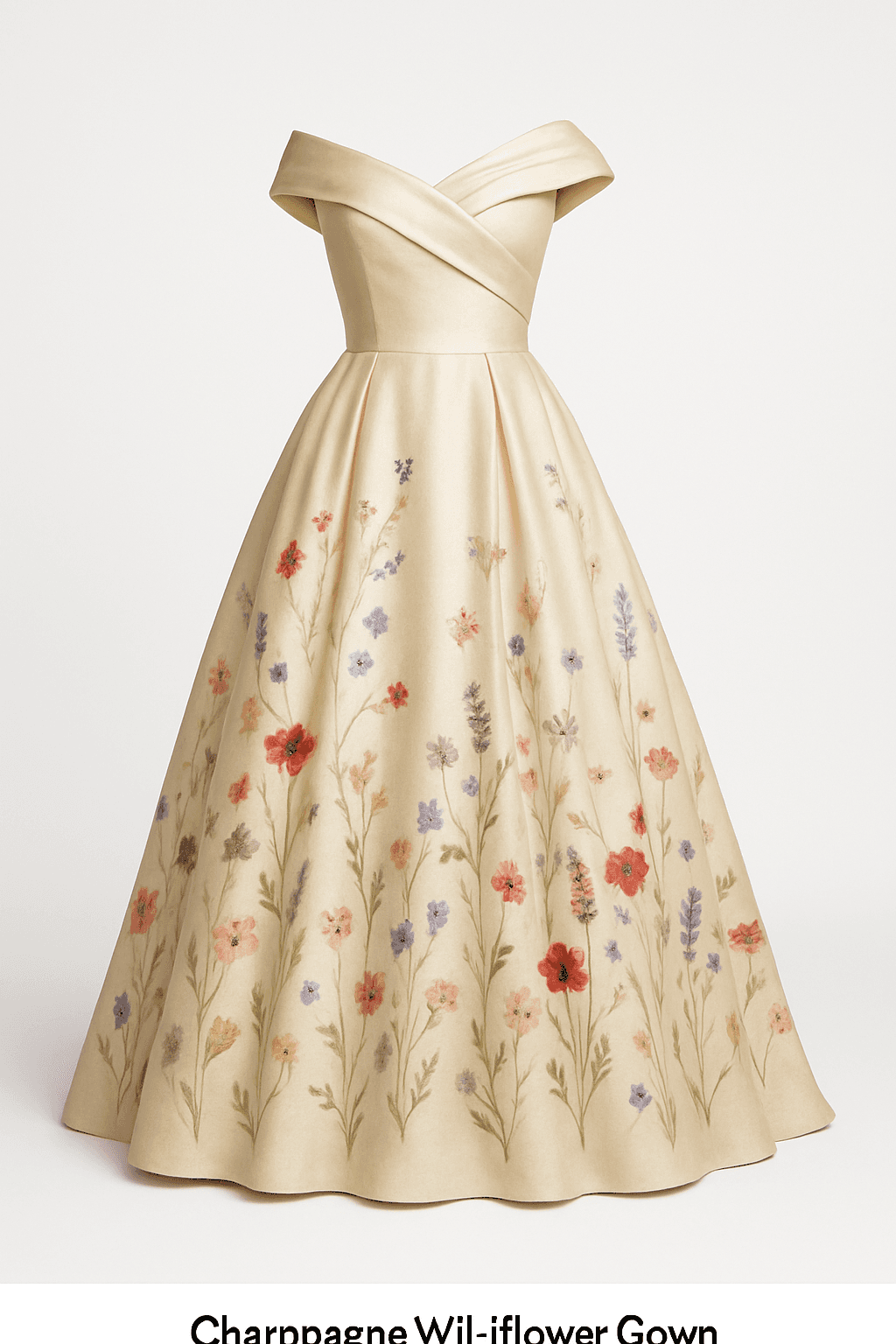
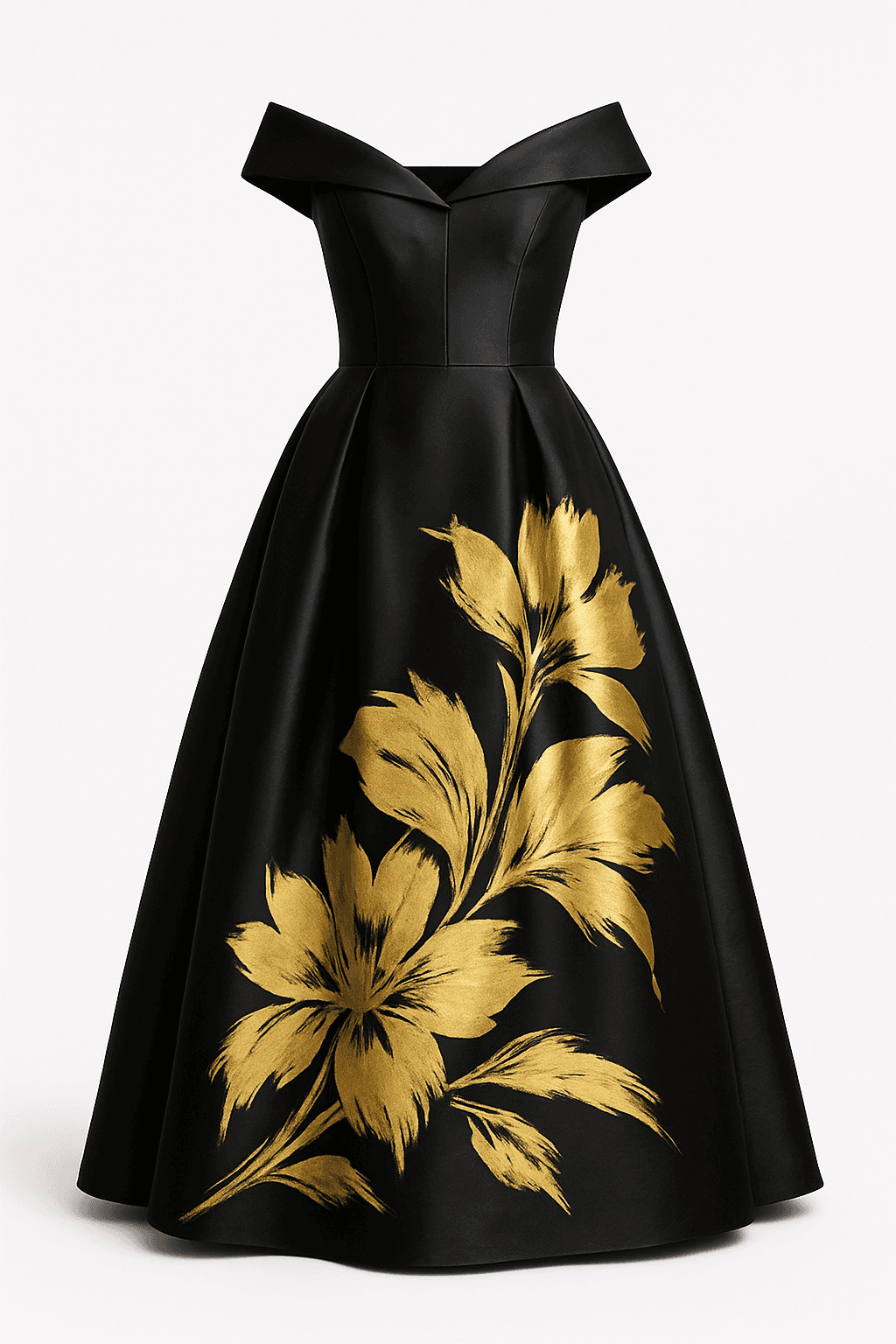
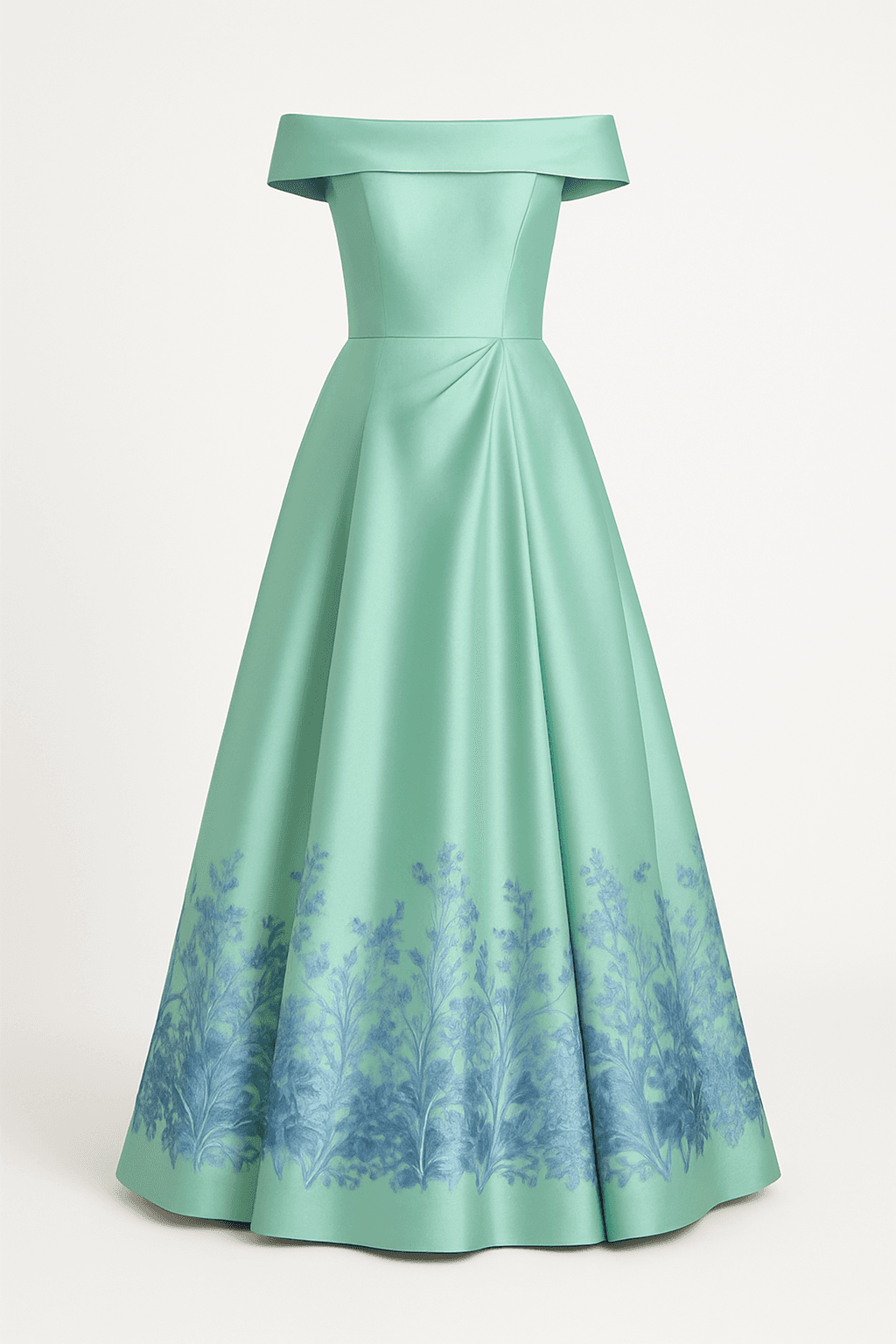
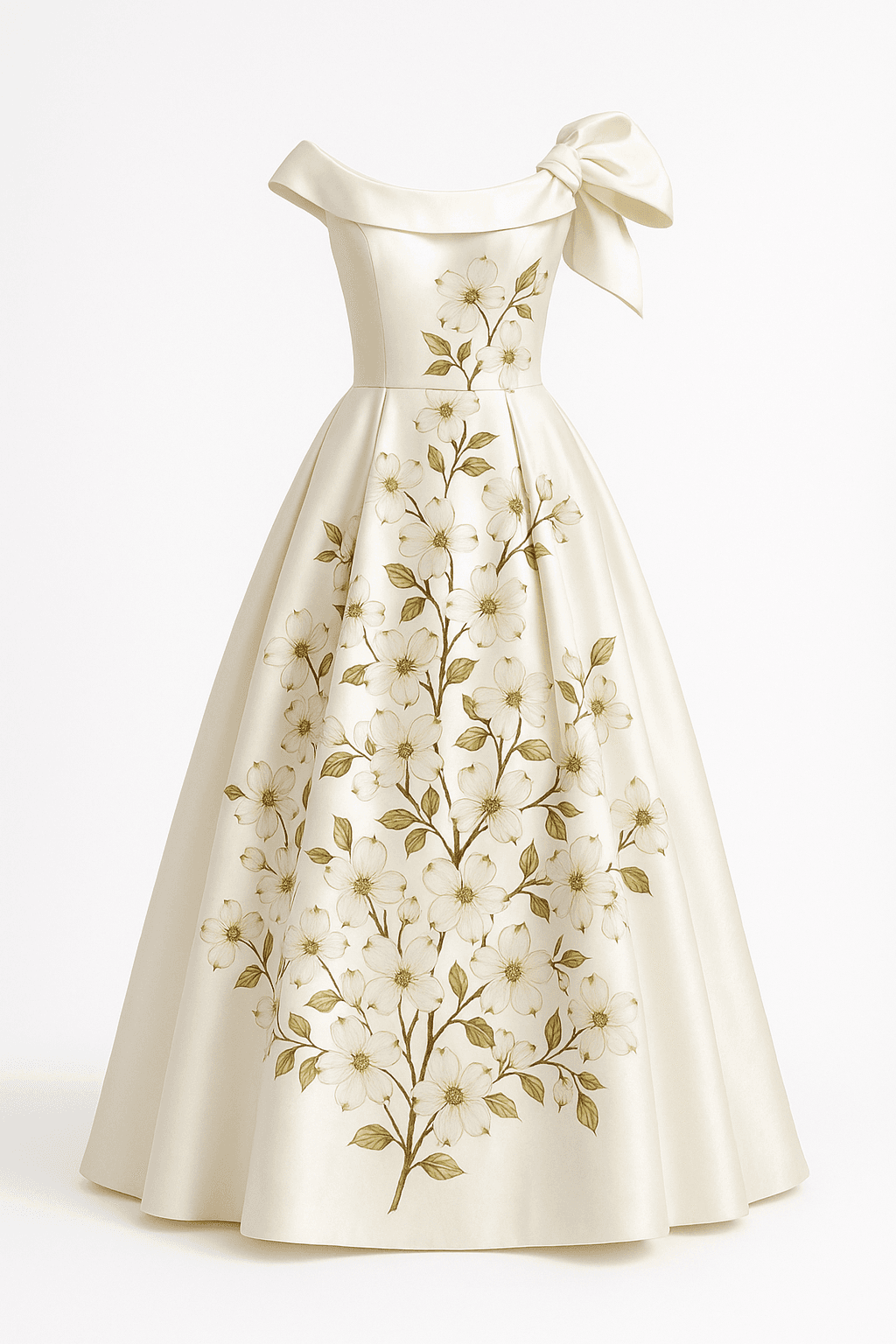
The old wardrobe had too many steps.
Traditional fashion moves through factories, freight, stores, sizing, and waste just to end in a photo. Digital fashion starts where culture already ends: the image.
Before — Traditional path
- Overproduction materials wasted
- Transport miles emissions
- Unsold stock ends in landfill
- Return loop waste & emissions
- Alteration waste offcuts & trims
Longer path. Higher impact. More waste.
Now — Digital path
No physical inventory. No shipping. No fit waste. No deadstock.
Shorter path. Lower impact. Less waste.
Why it wastes less.
No overproduction
Nothing is manufactured just to sit unsold.
No shipping miles
The look moves digitally, not through freight networks.
No store inventory
No racks, no retail overhead, no deadstock.
No sizing loop
No fit returns, exchanges, or disposal from bad sizing.
No tailoring waste
No sample remakes, offcuts, or physical alterations.
The old wardrobe ended in the photo.
Ours begins there.
Digital fashion isn't just new. It's necessary. Less production. More expression.
FAQ
Why digital fashion now.
The shift from physical to digital wardrobes is already underway. Here's what the data says — and where Revetu fits in.
Do younger generations care more about how they look online?
Yes — significantly. A 2021 U.S. study by The Harris Poll for Squarespace found that 60% of Gen Z and 62% of Millennials believe how you present yourself online is more important than how you present yourself in person — compared to 38% of Gen X and 29% of Baby Boomers.
Nearly half of Gen Z (44%) and 39% of Millennials also say they make a better impression online than in person.
Do people really buy clothes just to post on social media?
Research from Barclaycard found that nearly one in ten (9%) UK shoppers have bought clothes online with the sole intent of wearing them once for a social media photo — then returning them. The trend, sometimes called “snap and send back,” rises to 17% among 35–44 year-olds.
If the only purpose of buying a physical garment is utility within a virtual environment, a digital piece for your photo wardrobe makes more sense — no shipping, no returns, no waste.
Sources: The Independent, Barclaycard / Opinium (2019)
How much do fashion returns cost the industry?
Returns are a massive hidden cost. Barclaycard estimated UK shoppers return £7 billion worth of purchases every year — a “phantom economy” of lost revenue for retailers. On average, Brits spend £313 on online clothes annually and send back £146 worth (47%).
Online fashion return rates typically run 25–35%in both the UK and US, driven largely by fit uncertainty and “bracketing” — ordering multiple sizes to try at home.
Sources: Barclaycard (2019), Just Style / Fulfilmentcrowd (2024)
What is the environmental impact of physical fashion?
The fashion industry is responsible for an estimated 2–8% of global carbon emissions and is the second-largest industrial consumer of water. Around 20% of industrial wastewater pollution worldwide originates from textile dyeing and treatment.
Globally, consumers discard an estimated 92 million tonnes of textile waste each year — much of it from overproduction, unsold stock, and the return loop that digital fashion bypasses entirely.
How big is the digital fashion market?
Digital fashion is growing fast. The global digital clothing market was valued at approximately $1.9 billion in 2024 and is projected to reach $6.3 billion by 2030 — a 22.4% compound annual growth rate. The broader metaverse fashion segment reached $1.92 billion in 2024, with forecasts of $31.6 billion by 2033.
AR fashion filters alone held 32% of the market in 2024, reflecting mass adoption across social platforms and influencer-driven content.
Sources: Strategic Market Research (2024), Growth Market Reports (2024)
What is Revetu?
Revetu is a luxury digital fashion platform where independent designers create looks you commission for your own photos. Upload a portrait, choose a design, and receive a rendered image — no factories, freight, sizing, or returns involved.
Every piece credits its designer. Pieces are limited. The wardrobe starts where culture already ends: the image.
How is digital fashion more sustainable?
A physical garment passes through sampling, factory production, shipping, retail inventory, sizing loops, and often a return before it ever reaches a photo. Digital fashion collapses that chain to four steps: designer, digital release, your photo, post.
No overproduction. No shipping miles. No deadstock. No fit returns. For the millions of outfits bought, worn once, photographed, and returned — digital fashion is the logical alternative.